Which plastic materials are suitable for manufacturing WPC door?
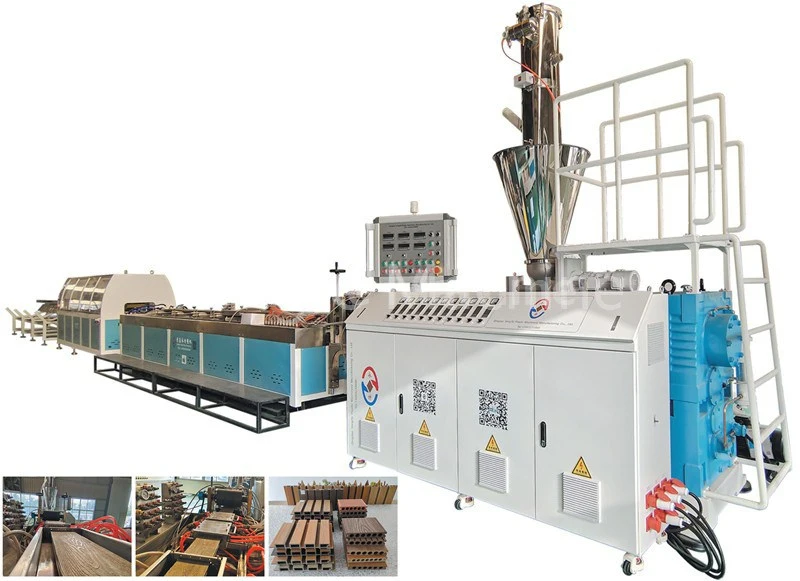
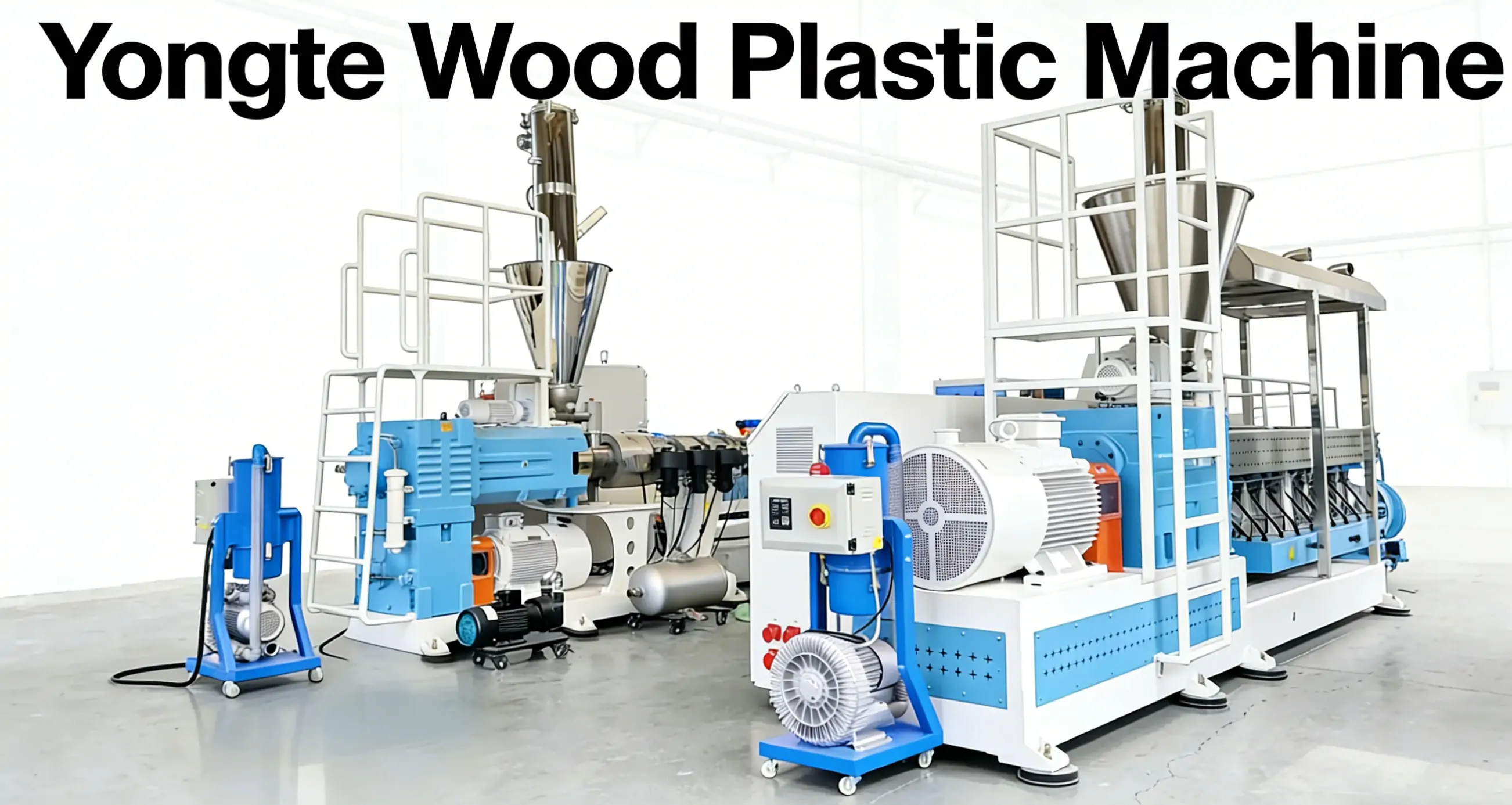
Yongte is professional manufacturer for Wood Plastic Composite Machine, we have different WPC machines for making different WPC products from different plastic material for different application. Wood-plastic composites (WPC) primarily utilize three types of plastic substrates: polyvinyl chloride (PVC), polyethylene (PE), and polypropylene (PP), each with distinct characteristics.
Characteristics of WPC materials
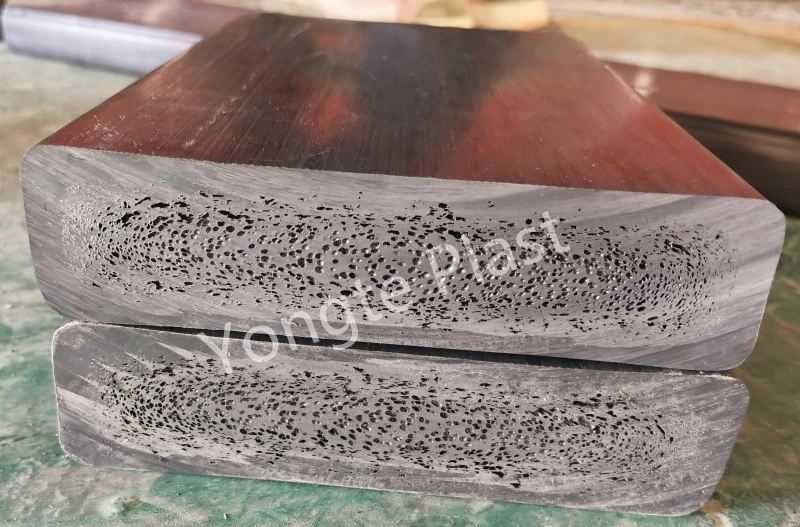
1. Polyvinyl chloride (PVC): The most widely applied substrate, offering excellent waterproof and moisture-resistant properties along with flame-retardant. After molding, it forms a dense structure with surface hardness 2-5 times that of wood, making it ideal for humid environments such as kitchens and bathrooms. The production process requires no adhesives, achieving zero formaldehyde emissions and meeting environmental standards.
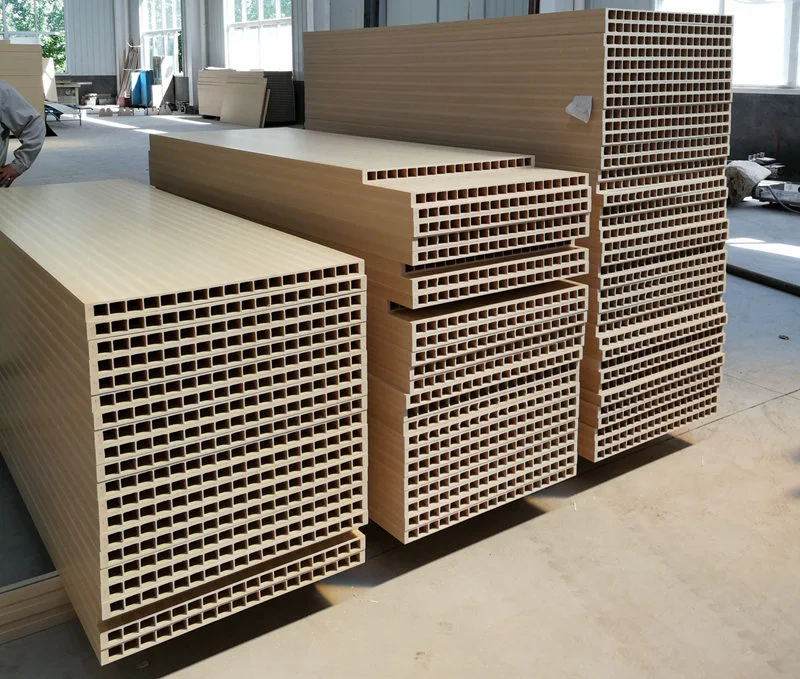
2. Polyethylene (PE): Available in high-density (HDPE) and low-density (LDPE) variants. HDPE, when combined with wood fibers, exhibits superior impact resistance and weatherability, suitable for outdoor door frames or balcony doors. It demonstrates exceptional low-temperature impact resistance, maintaining structural stability even at -40°C.
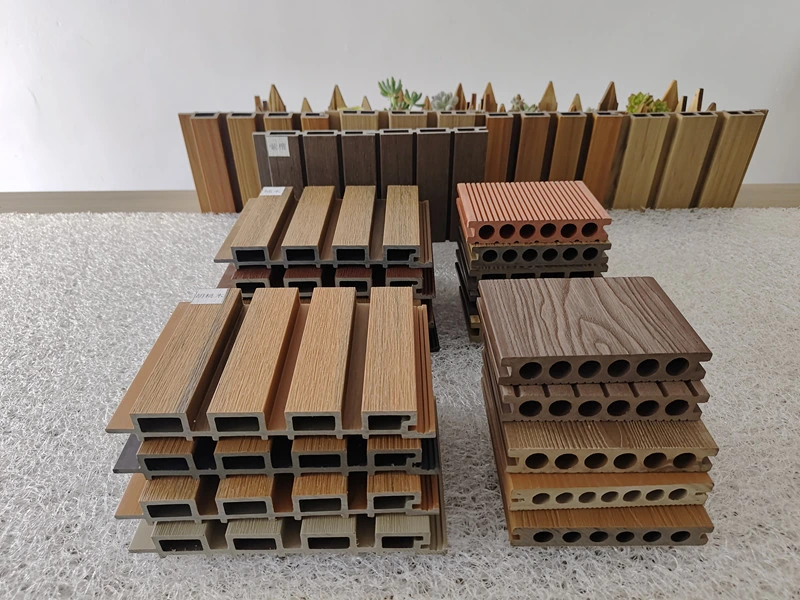
3. Polypropylene (PP): Characterized by lightweight and high strength, with a density of only 0.9-0.91g/cm³, resulting in products 15%-20% lighter than PVC-based materials. It offers excellent chemical corrosion resistance, effectively withstanding acid and alkali erosion, making it suitable for industrial or special environment applications.
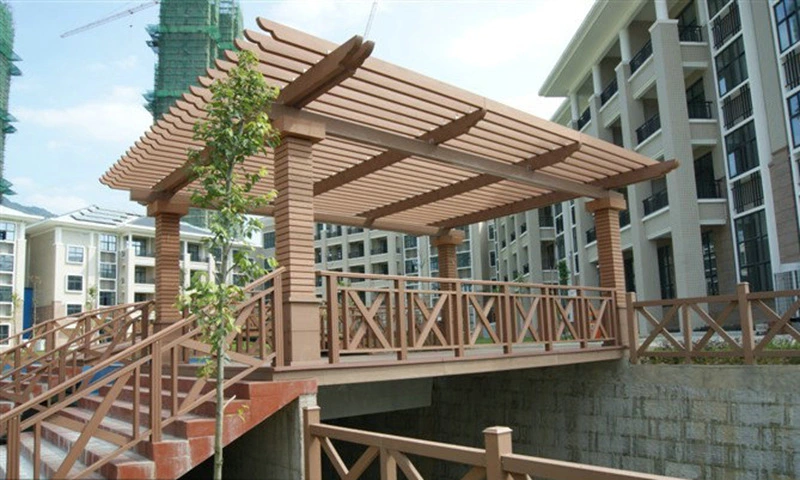
For WPC door & door frame production, we strongly recommend PVC-based WPC instead of PP or PE.
Here are the key reasons:
1. Higher rigidity & strength
PVC WPC is stiff, stable and load-bearing, which is essential for door structures. PP/PE are too soft and flexible, easily bending or sagging.
2. Excellent dimensional stability
PVC WPC has low shrinkage and high precision, perfect for complex door profiles. PP/PE warp easily and cannot guarantee stable sizes.
3. Better heat & deformation resistance
PVC WPC maintains its shape even under sunlight and high temperature. PP/PE soften easily in heat, causing doors unable to close properly.
4. Excellent flame-retardant
PVC WPC has excellent flame-retardant properties, reducing the risk of fire hazards. In contrast, PP/PE materials are more prone to burning and can contribute to the spread of flames, making them less suitable for applications where fire safety is a concern.
5. Excellent adhesive strength for decorative film coating,
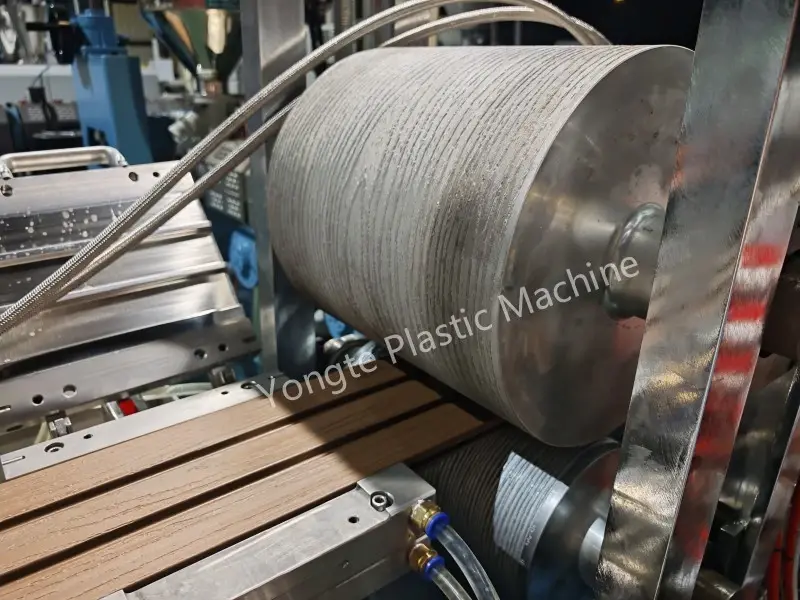
PVC WPC exhibits strong surface adhesion, enabling seamless application of decorative films without peeling or bubbling. This property ensures long-lasting aesthetic appeal and simplifies post-processing steps. The material's smooth surface texture also enhances paint adhesion, allowing for customized color finishes. In comparison, PP/PE surfaces require specialized primers or corona treatment to achieve similar bonding effects, increasing production complexity and costs. PVC WPC's inherent compatibility with decorative coatings makes it the preferred choice for achieving high-end visual effects in door manufacturing.
6. Mature technology & lower cost
PVC WPC is the global standard for doors and frames, with stable formulation, easy processing and better surface finish.
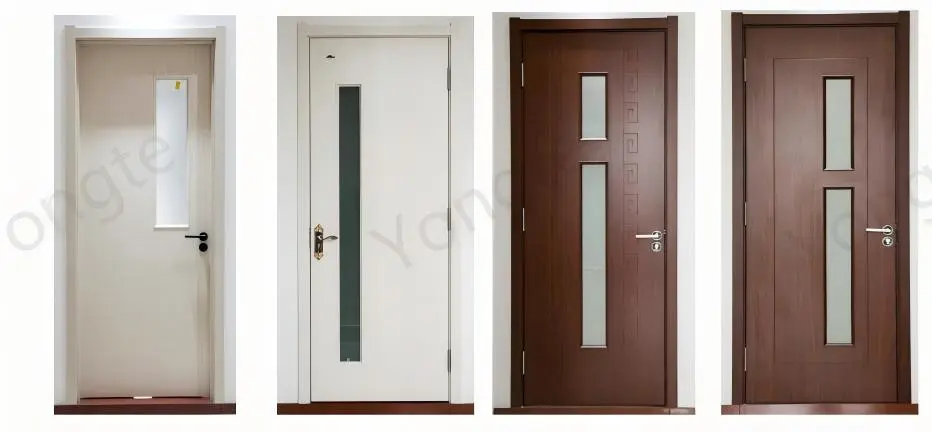
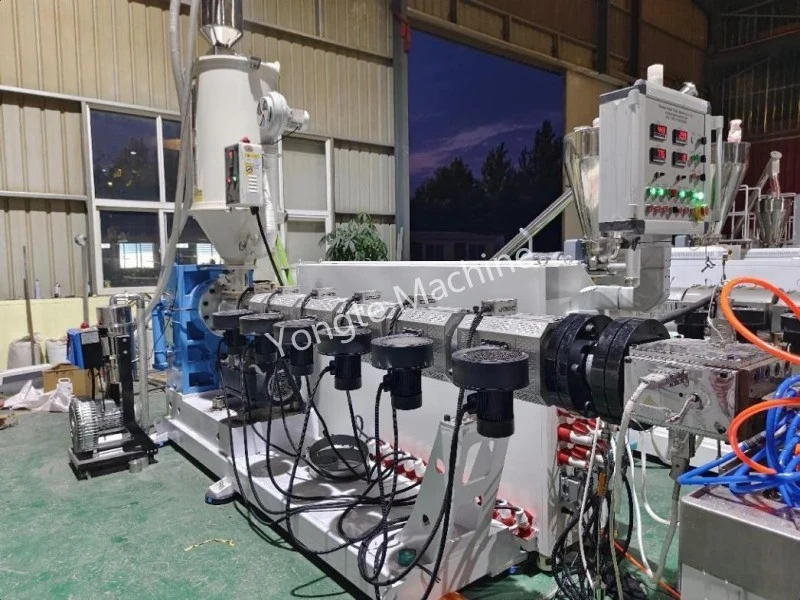
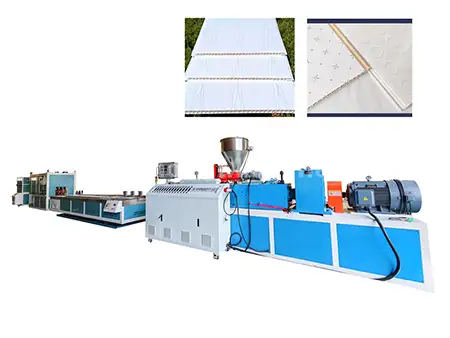
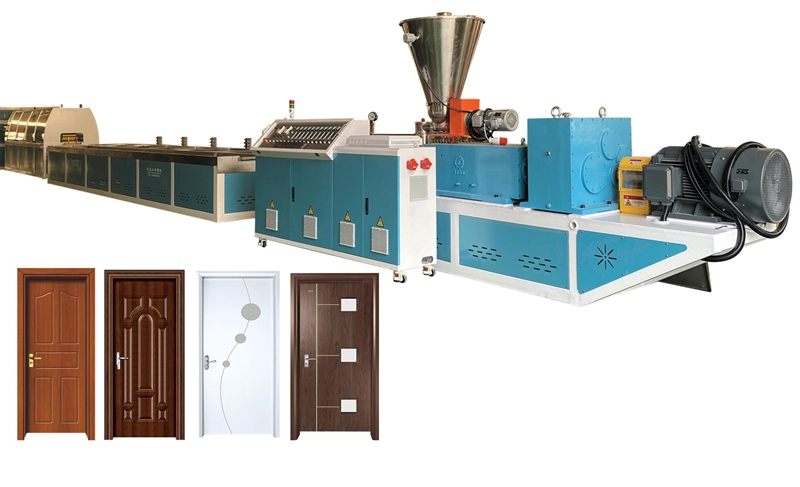
Our WPC door extrusion line is specially designed for PVC WPC door & frame profile, with high stability, good output and qualified final products.
If you need more details about our WPC door extrusion line, welcome to contact us anytime.
Related News
- Advantages of Rubber Soaker Irrigation Pipes vs Traditional Irrigation Tubes
- Can Yongte Supply Turnkey Project Service for WPC decking plant?
- 200x50mm Recycled Solid Plastic Lumber Machine Tested Successfully
- Yongte WPC Column making machine with co-extrusion is successfully tested
- How can plastic film wastage be used to produce wood-plastic composite (WPC) products?
- WPC Extrusion Machine Temperature Setting
Leave me a message