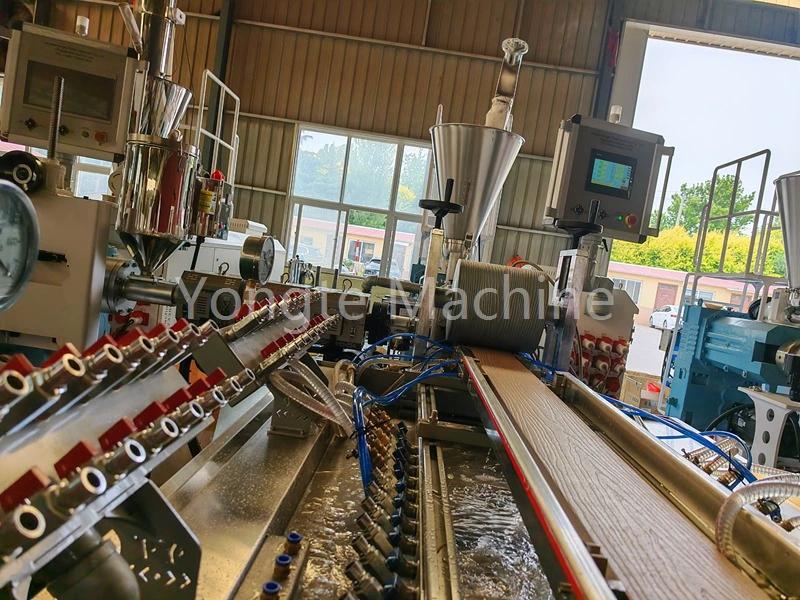
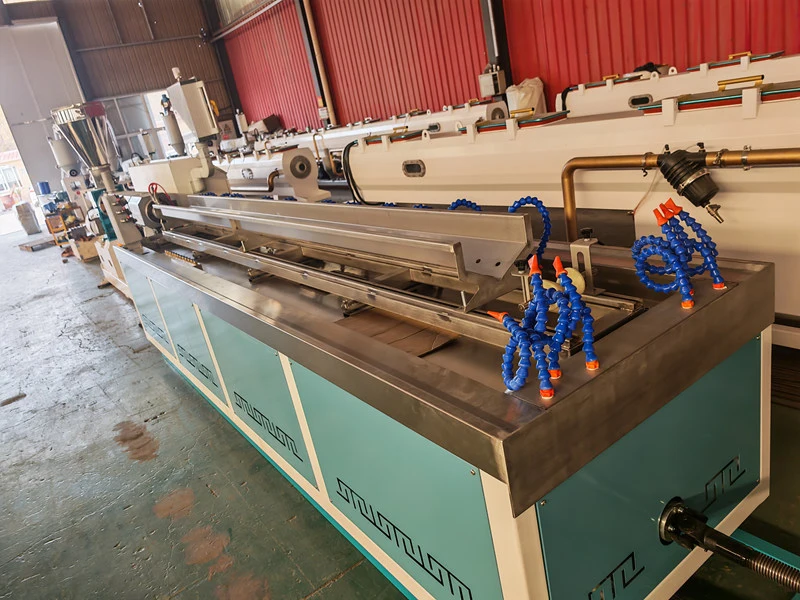
WPC Extrusion Machine Temperature Setting
Extrusion temperature curve for PE wood-plastic composite (HDPE + wood powder)
Applicable Scenarios: PE and wood powder composite production lines (flat twin-screw granulation → conical twin-screw / single-screw extrusion molding); for PE-wood plastic composites, the primary concerns are localized overheating, moisture content, and carbonization of the wood powder; therefore, the maximum material temperature should preferably not exceed 185 °C. In the two-stage process, the parallel twin-screw granulation stage ensures thorough mixing, plasticization, and formation of uniform granules from HDPE and wood powder; the subsequent profile molding is then performed using a conical twin-screw or single-screw extruder. This segmented processing approach enables independent temperature control in each stage, thereby reducing the risk of localized overheating. PE-wood plastic composites are highly sensitive to processing conditions; particular attention must be paid to excessive localized temperatures in the barrel or die, residual moisture in the raw materials, and carbonization of the wood powder under high temperatures. Such issues can lead to char spots on the product surface, discoloration, or even degradation of mechanical properties. Consequently, in actual production, material temperature must be strictly controlled, with the maximum temperature preferably not exceeding 185 °C.
I. PE-WPC Extrusion Temperature Curve (Pelletizing Stage + Profile Forming Stage)
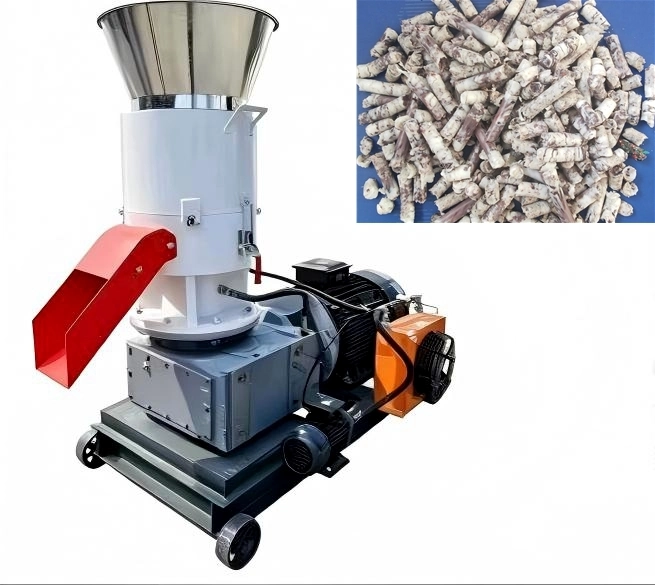
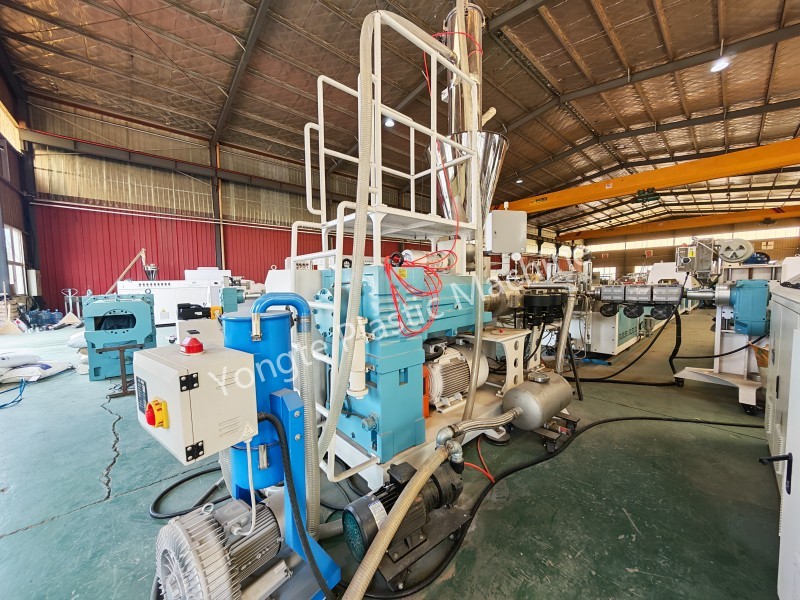
① Parallel double granulation (PE wood granulation, same-direction parallel double)
In actual production, the temperature should be fine-tuned based on raw material parameters such as wood powder content, mesh size, and HDPE melt flow index: the higher the wood powder addition ratio, the greater the processing difficulty, necessitating closer monitoring of temperature stability in the plasticization stage to prevent localized heat accumulation; when the wood powder mesh size is finer, the specific surface area increases, making carbonization more likely, which requires appropriate reduction of the temperature range in the homogenization stage. Additionally, water supply control in the flat double granulation stage must be implemented from the raw material pre-treatment phase; upon entry of the wood powder into the plant, its moisture content must be tested, and if it exceeds 5%, drying treatment must be performed; otherwise, moisture entering the extruder barrel may generate steam bubbles under high temperatures, which could compromise granulation uniformity and lead to internal pore defects in the final extruded products during subsequent extrusion molding.
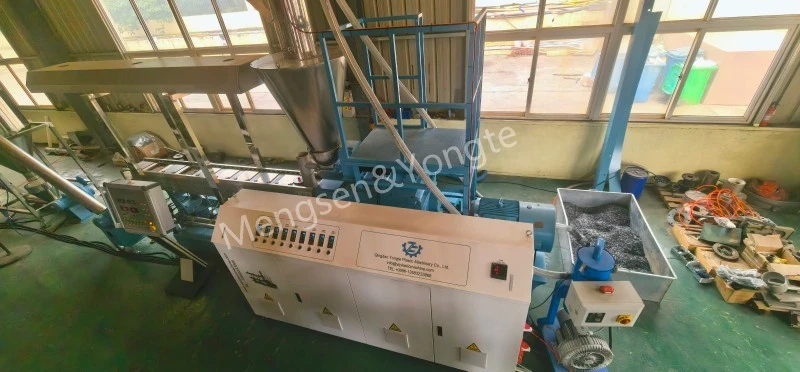
Cylinder length from the feeding port to the head, per °C
|
sector |
Zone 1 (Addition) |
Zone 2 |
Zone 3 |
Zone 4-6 |
Zone 7-8 |
Zone 9 |
Die head |
|
setting |
145~155 ℃ |
155~165 ℃ |
160~170 ℃ |
165~172 ℃ |
168~175 ℃ |
170~178 ℃ |
172~178 ℃ |
main points:
· Do not set the feeding section too high to prevent the wood powder from softening prematurely and adhering to the screw rod, which could lead to bridging or rod entanglement.
· Zones 3–5 constitute the primary mixing section, where the temperature is gradually increased;
· Slightly lower the nozzle head to reduce the temperature rise in the melt shear zone;
· The melt temperature must not exceed 185 °C for extended periods; otherwise, the wood fibers will undergo rapid carbonization, resulting in the appearance of black spots and a pungent tobacco-like odor.
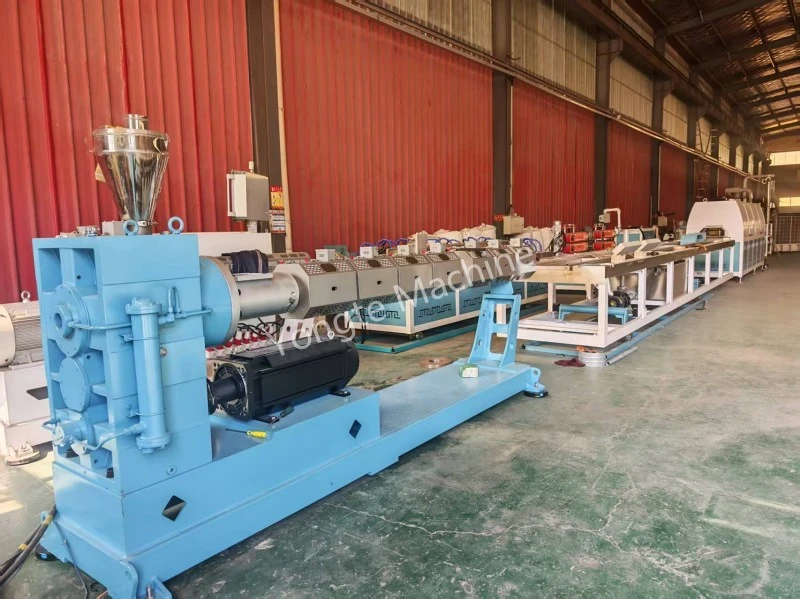
② Forming machine (conical twin-screw SJSZ or single-screw, for extruding decking/ profiles using wood-plastic pellets)
Conical Twin screw ExtruderTemperature Parameter Table
|
parameter type |
Loading section (Unit: °C) |
Compression range (unit: °C) |
Exhaust section (unit: °C) |
Measurement range (unit: °C) |
Head temperature (unit: °C) |
Mold temperature (unit: °C) |
Measured melt temperature (unit: °C) |
|
Set temperature |
140~150 |
150~162 |
158~168 |
162~172 |
165~173 |
168~175 |
170~180 |
Temperature Parameter Table for Single-Screw Extrusion (Co-extruded Surface Layer / Simple Profile)
|
Parameter Category |
Loading section (Unit: °C) |
Compression range (unit: °C) |
Measurement range (unit: °C) |
Head temperature (unit: °C) |
Mold temperature (unit: °C) |
|
set value |
135~145 |
148~160 |
158~168 |
162~170 |
165~172 |
✅ Temperature Operation Principles
1. Setting the temperature does not equate to the actual temperature of the melt; it is essential to use a melt probe to perform actual measurements of the melt temperature. Due to the heat generation caused by screw shear, the measured melt temperature typically exceeds the set temperature by 5–12 °C.
2. The temperature in the exhaust section should not be set too high. In this region, the adsorbed water vapor and low-molecular-weight volatiles within the wood powder are released in large quantities; if the temperature in this zone is excessively high, the gases may fail to escape steadily from the molten material, which can readily lead to foaming of the melt and trigger thermal degradation of the wood powder surface, resulting in carbonization.
3. The mold temperature should be slightly higher than the temperature in the metering section to ensure that the molten material retains sufficient flowability upon entering the mold cavity, thereby facilitating smooth filling and molding, and reducing the formation of pitting defects on the product surface caused by insufficient flowability; however, the mold temperature should not be excessively high, as an overly high mold temperature would reduce the cooling rate of the molten material's surface layer, leading to material adhesion to the mold surface (mold sticking), and potentially resulting in material accumulation and scorch marks in areas where the material remains for extended periods.
Related News
- Advantages of Rubber Soaker Irrigation Pipes vs Traditional Irrigation Tubes
- Can Yongte Supply Turnkey Project Service for WPC decking plant?
- 200x50mm Recycled Solid Plastic Lumber Machine Tested Successfully
- Yongte WPC Column making machine with co-extrusion is successfully tested
- How can plastic film wastage be used to produce wood-plastic composite (WPC) products?
- Application for Rubber Foamed Water-Permeable Pipes
Leave me a message