Advantages of Rubber Soaker Irrigation Pipes vs Traditional Irrigation Tubes
Advantages of Rubber Soaker Irrigation Pipes vs Traditional Irrigation Tubes
Introduction
Global freshwater scarcity, frequent droughts and tightening environmental regulations are pushing the agriculture and ecological restoration sectors to adopt high‑efficiency water‑saving irrigation technologies. Agriculture consumes roughly 70% of global freshwater withdrawal, and many arid & semi‑arid regions face growing pressure to cut water waste. Governments worldwide are rolling out subsidies and incentives for water‑saving farm equipment and circular‑economy products, creating strong market momentum for recycled rubber soaker irrigation solutions. The porous soaker hose market is forecast to maintain steady growth, with recycled rubber variants gaining faster traction as buyers prioritize low carbon, long service life and whole‑life cost savings.
Traditional irrigation solutions, including plastic drip tapes, perforated PVC pipes and sprinkler systems, have long been widely adopted in agriculture and ecological greening. Nevertheless, they suffer from inherent drawbacks: easy clogging, short service life, high demand for stable water pressure, high evaporation loss and weak resistance to soil corrosion. These pain points bring continuous extra investment in filters, spare parts and routine maintenance for growers and engineering contractors.
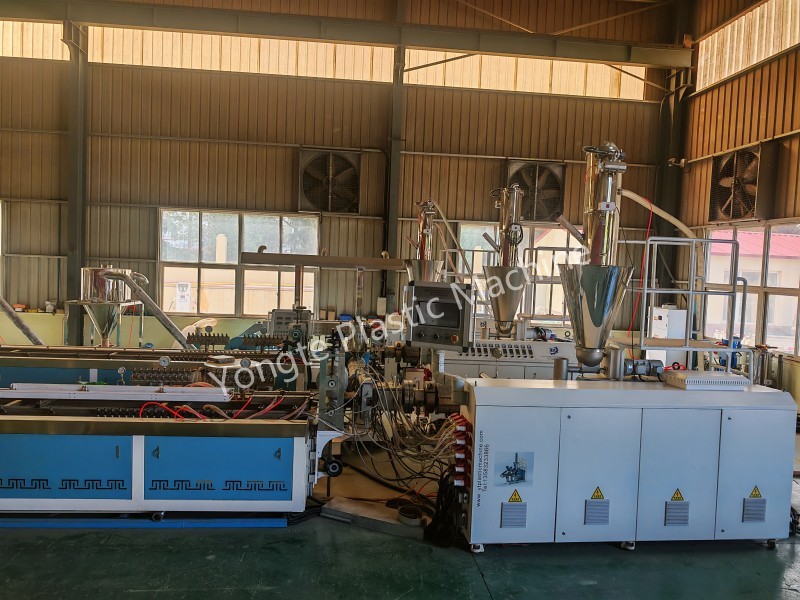
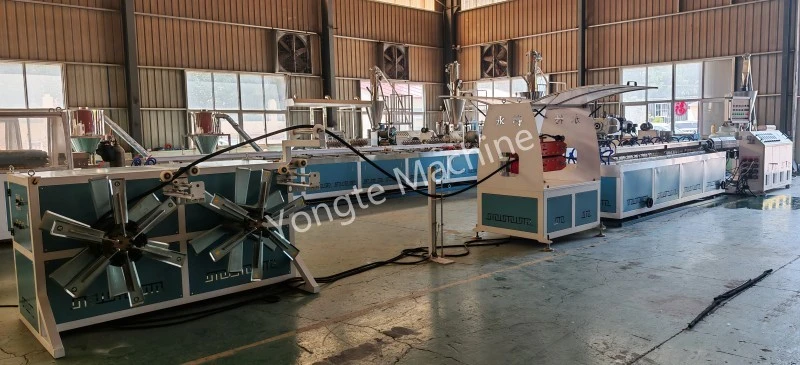
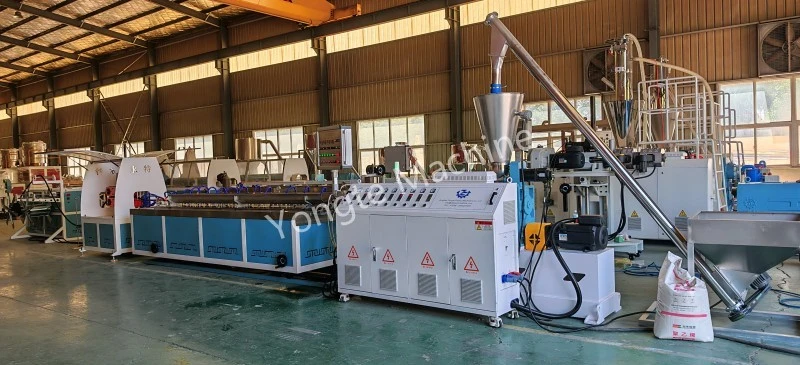
rubber soaker irrigation pipe made by our rubber soaker irrigation pipe machine, manufactured from recycled tyre rubber via physical extrusion, is developed to solve these bottlenecks. Thanks to its porous rubber structure and optimized material formula, it delivers far better performance than conventional irrigation pipes in water saving, durability and adaptability to complex field conditions. Below are its key competitive advantages:
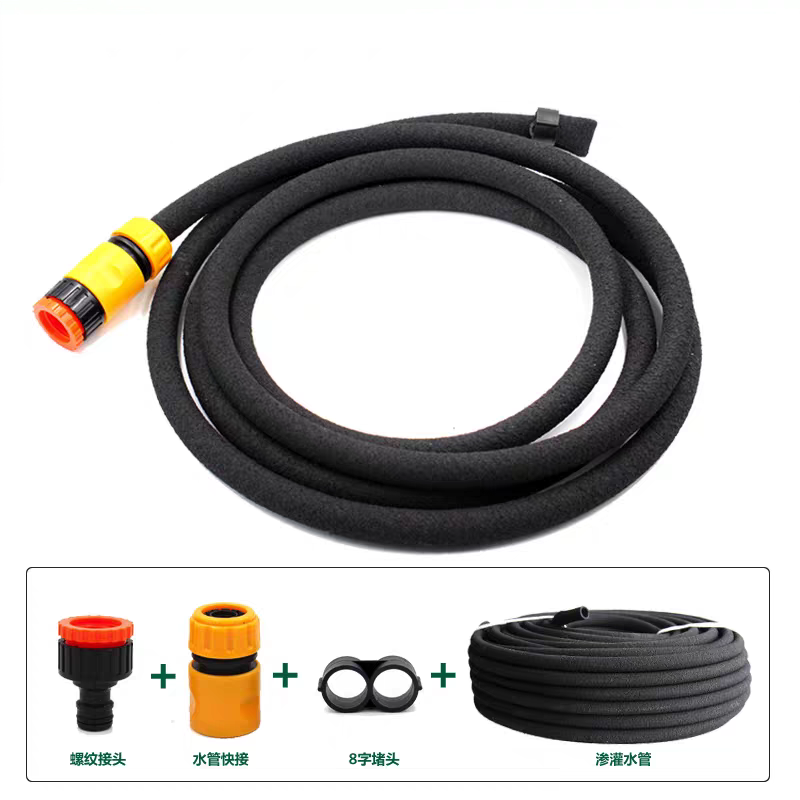
✅ Core Advantages Over Conventional Irrigation Tubes
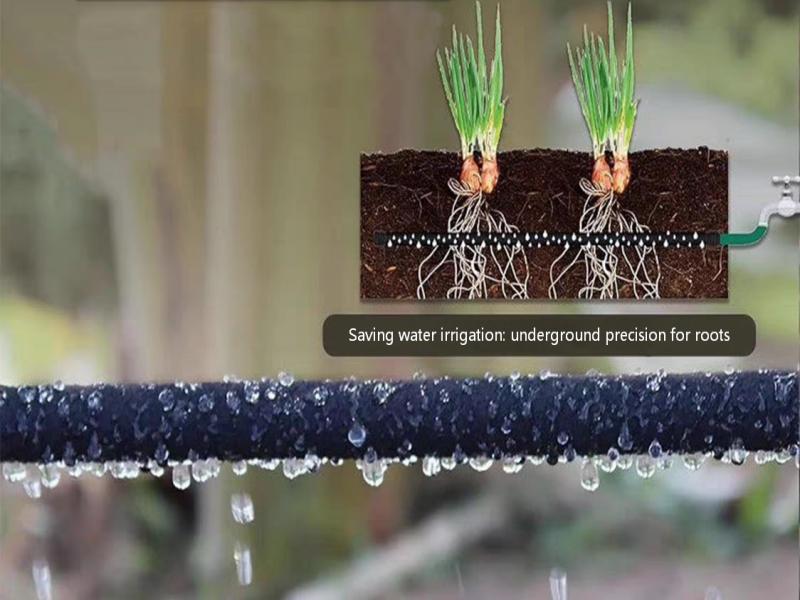
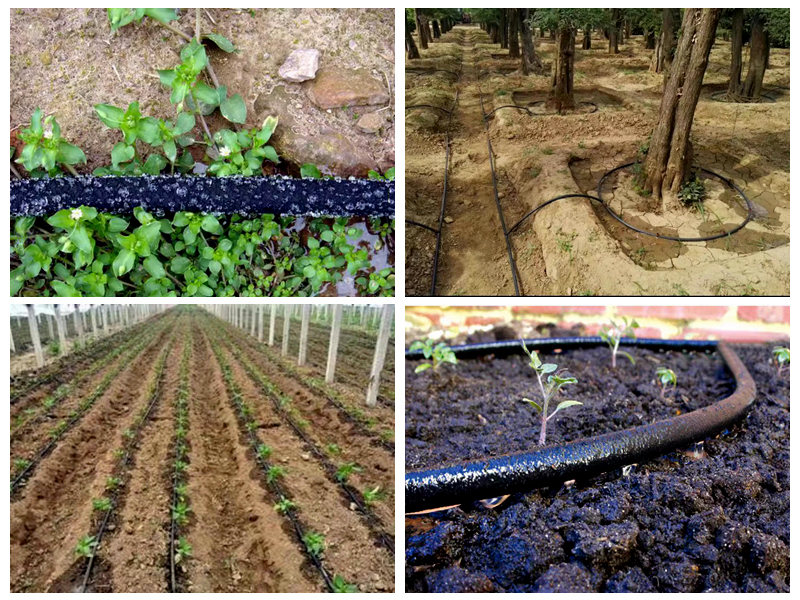
- Uniform Subsurface Water Seepage, Low Evaporation Loss Traditional drip tapes or perforated PVC pipes spray or drip water at discrete points. Rubber soaker pipes release water evenly across the entire pipe wall through porous structure. Water seeps directly into the root zone, cutting evaporation loss drastically, especially in hot, windy and arid regions. No concentrated dripping to cause local over‑wetting or root rot.
- Superior Anti‑Clogging Performance Drip emitters of conventional drip lines are easily blocked by silt, algae, mineral precipitates and organic particles, requiring frequent flushing and filter maintenance. The porous rubber matrix acts like a natural filter medium. Particles are trapped on the outer surface instead of blocking internal channels, greatly reducing cleaning cycles and downtime.
- High Flexibility & Strong Resistance to Physical Damage Made from recycled rubber, the soaker pipe has excellent elasticity and tear resistance. It tolerates minor soil movement, rock friction and light trampling. Unlike rigid PVC or thin plastic drip tapes that crack or tear easily during backfilling, planting and seasonal soil expansion. It can withstand underground compression and sharp debris in soil.
- Wide Working Pressure Range & Low‑Pressure Operation Standard drip irrigation requires precise, stable pressure and expensive pressure regulators. Rubber soaker pipes can operate efficiently under low and variable water pressure. It works well with gravity feed systems, simple water tanks and remote farms without high‑power water pumps, lowering auxiliary equipment investment.
- Long Service Life & Excellent Anti‑Aging Property Recycled rubber formula delivers outstanding UV resistance, ozone resistance and anti‑aging performance. Buried underground, it can serve for 10–15 years. Traditional plastic drip tapes are usually disposable or only last 1–3 years; PVC pipes degrade faster under long‑term UV exposure.
- Resistant to Chemical & Biological Corrosion Rubber material resists mild acids, alkalis, fertilisers and soil microbial corrosion. Suitable for saline‑alkali soil, livestock farms and constructed wetlands. Plastic materials are prone to aging and brittleness under long‑term contact with chemical fertilisers and salty groundwater.
- Easy Installation & Maintenance No complex emitter alignment, no precise hole positioning. Simply bury the pipe along root lines. No complicated pre‑filters required for most applications. Labour cost for installation and routine maintenance is reduced by 40–60% compared with conventional drip systems.
- Eco‑Circular Raw Material Source Produced from recycled waste tyres. It turns black pollution into high‑value irrigation products. After end‑of‑life, the rubber pipe can be recycled again. Conventional plastic irrigation products rely on virgin plastic resin and are hard to recycle after use.
- Soil Protection & Anti‑Erosion Slow, gentle water permeation avoids soil splash and surface runoff. It prevents soil hardening and nutrient leaching, ideal for sloped land, mine restoration and fragile ecological areas. Point dripping from traditional drippers may create local soil crusting.
-
Related News
- Can Yongte Supply Turnkey Project Service for WPC decking plant?
- 200x50mm Recycled Solid Plastic Lumber Machine Tested Successfully
- Yongte WPC Column making machine with co-extrusion is successfully tested
- How can plastic film wastage be used to produce wood-plastic composite (WPC) products?
- WPC Extrusion Machine Temperature Setting
- Application for Rubber Foamed Water-Permeable Pipes
Leave me a message