Will the WPC production plant cause environmental pollution?
WPC Production Plant Environmental Assessment Report
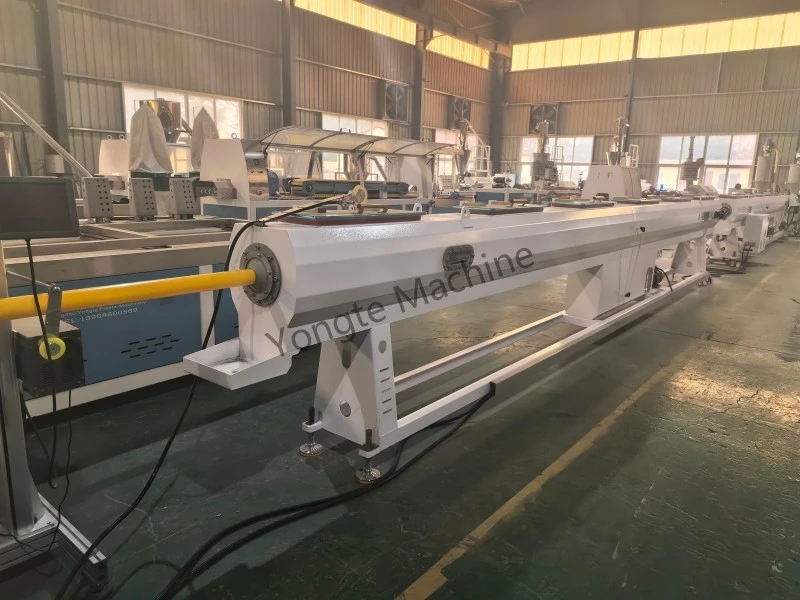
Yongte WPC production plant (wood plastic composite production line) is a specialized complete set of production equipment designed for processing waste plastics and waste wood fibers into wood-plastic products. It can be tailored to meet the production requirements of wood-plastic products across varying production capacities and product specifications, encompassing the entire processing workflow—from pre-treatment of waste plastics and waste wood, to material mixing and granulation, extrusion molding, and post-treatment polishing—thereby enabling manufacturing enterprises to achieve resource-based reuse of waste plastics. Does this project pose environmental pollution risks? This question requires a detailed analysis based on the project's production and emission stages, as well as the corresponding pollution prevention and control measures. From the perspective of the production process, each stage—including raw material pre-treatment, granulation, and extrusion molding—may generate waste gases, wastewater, noise, and solid waste to varying degrees. If the project developer installs appropriate pollution control facilities and implements standardized operational management practices, all types of pollutants can be discharged in compliance with regulatory standards, and no significant adverse impacts on the surrounding environment will occur. Conversely, if effective pollution prevention measures are not implemented, leading to fugitive emissions at various stages, the project may cause certain degrees of pollution to the atmospheric, aquatic, and acoustic environments.

1. Project Overview and Product Solution
1.1 Product Types and Application Scenarios
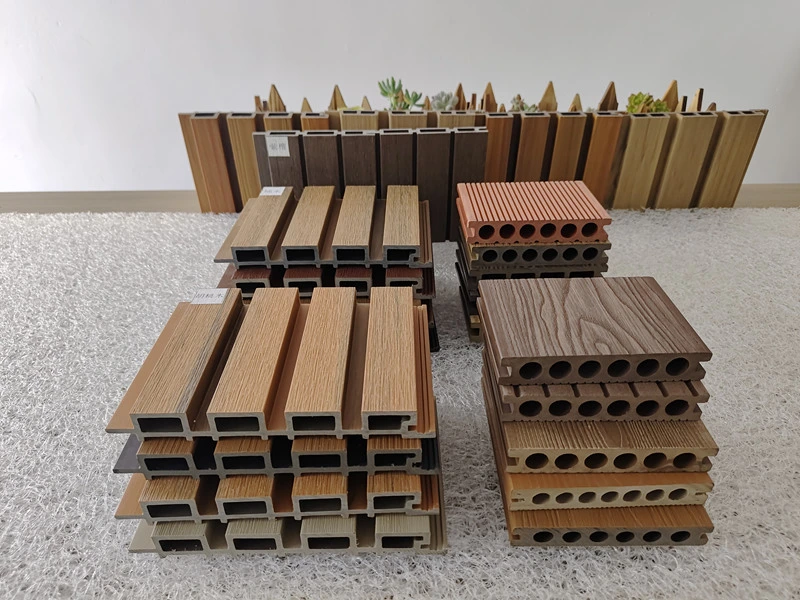
This project involves the production of polyethylene-wood plastic composite (PE-WPC) products, primarily including a range of product series such as outdoor flooring, landscape railings, boardwalk profiles, indoor wall panels, and packaging pallets. These products utilize high-density polyethylene (HDPE) as the matrix, agricultural and forestry plant fibers as the filler matrix, and incorporate environmentally friendly functional additives for modification. Classified as green building material products that leverage comprehensive resource utilization, they are widely applied in landscape gardening, municipal engineering projects, residential interior decoration, and logistics packaging.
The project employs mature production technologies with controllable pollution levels; its manufacturing process involves no chemical reactions, consisting solely of physical mixing, melting extrusion, and molding processing, thereby classifying it as a light industrial production project in the physical molding category.
1.2 Raw Material Composition and Proportioning
The raw materials for this product consist of three components: HDPE (virgin + recycled), plant fibers, and environmentally friendly functional additives. All raw and auxiliary materials are free of toxic or hazardous substances, including formaldehyde, asbestos, heavy metals, and persistent organic pollutants. The composition and proportion (by mass) of these raw and auxiliary materials are as follows:
|
Component |
MixingRatioRange |
explain |
|
HDPE (virgin + recycled PE pellets) |
40%~60% |
the raw material consists of waste HDPE (e.g., plastic drums, pallets) that has undergone cleaning and impurity removal; medical waste plastics and hazardous waste plastics are prohibited. |
|
Wood powder / Bamboo powder / Rice husk powder |
30%~50% |
40-80 mesh, dried, moisture content ≤ 3%, agricultural and forestry by-products |
|
Additives |
2%~8% |
Coupling agent, PE wax, stearic acid, antioxidant, UV stabilizer, colorant, anti-mold agent; free from heavy metals, asbestos, and formaldehyde |
1.3 Recycled Material Control Requirements
The recycled HDPE pellets used in this project are sourced exclusively from licensed enterprises specializing in recycled materials. Prior to material intake, a rigorous control protocol is implemented: verification of the supplier's qualifications and batch test reports, followed by magnetic separation for iron removal, sieving for impurity elimination, and secondary washing—ensuring complete removal of sand, metallic impurities, and residual contaminants. The enterprise maintains comprehensive records covering the procurement, warehousing, utilization, and traceability of recycled materials, and retains test reports for every batch of raw materials. This protocol prevents the use of non-compliant waste plastics in production, thereby mitigating the risk of contaminant introduction at the source.
2. Analysis of the production process flow and pollution-generating stages
2.1 Complete production process flow
Raw material pre-treatment → Blending → High-speed thermal mixing → Wood-plastic composite pelletization → Extrusion, melting, and plasticization → Mold shaping → Vacuum cyclic cooling → Traction and straightening → Fixed-length cutting → Sanding and polishing → Finished product inspection → Finished product warehousing
Additional Note: All project cutting scraps and non-compliant finished products are completely crushed by crushing equipment and then recycled in the batching process. Within the plant, 100% of these materials are cyclically reused, with no waste materials discharged externally, resulting in an exceptionally high resource utilization rate.
2.2 Process Description and Pollution Analysis for Each Stage
2.2.1 Raw material pre-treatment process
Waste wood is crushed and grinded into fiber powder;

all recycled HDPE pellets are procured from licensed enterprises possessing appropriate renewable resource operation qualifications. The pollutants generated during the process include wood powder dust (diffuse/controlled), equipment operating noise, and a small amount of solid waste impurities from screening.

2.2.2 Ingredients preparation and mixing process
Precisely proportion the raw materials according to the formulation, followed by feeding and mixing operations; high-speed thermal mixing utilizes self-friction heating to promote uniform mixing of additives with the raw materials. The pollutants generated during this process include: trace amounts of dust during feeding, trace amounts of non-methane total hydrocarbons during mixing, and equipment noise.

2.2.3 Wood-plastic composite granulation
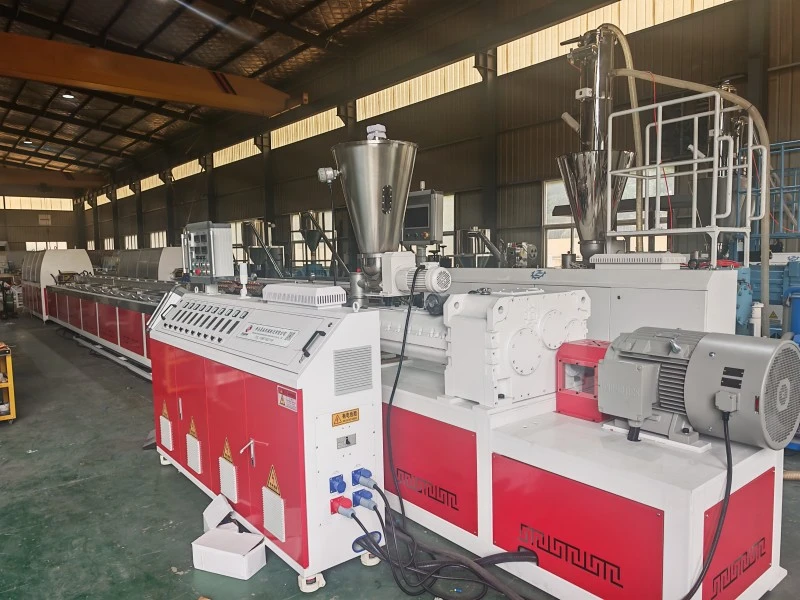
The pre-treated and uniformly mixed wood-plastic mixture is fed into a twin-screw granulator, where it undergoes a series of production stages—heating, melting, mixing, extrusion, air cooling, and crushing—to produce uniformly dispersed specialized wood-plastic pellets, thereby providing qualified raw material for the subsequent extrusion molding stage. In this process, the temperature is controlled below the decomposition temperature of polyethylene; only physical melting and plasticization occur, with no chemical reactions taking place. The primary emission sources in this stage are: trace amounts of dust from material feeding, trace amounts of non-methane hydrocarbons generated during the heating and melting phase of the granulator, and mechanical noise from equipment operation. The entire process is conducted under closed-system conditions, with only small amounts of water vapor escaping from the feed and discharge ports; a dedicated gas collection system is installed to capture and treat this escaping water vapor.

2.2.4 Extrusion molding process
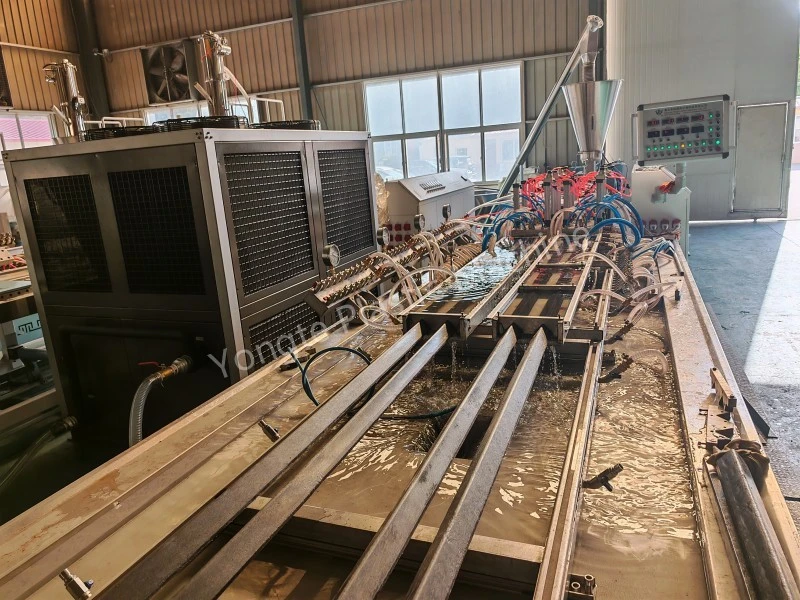
The mixture material is fed into the extruder, where it undergoes low-temperature melting and plasticization (at 160–190 °C) without undergoing pyrolysis reactions. It is then extruded through a custom-designed die, cooled and shaped via a water circulation system, and subsequently subjected to drawing and cutting to produce profile blanks that meet the specified composite requirements. The resulting cutting waste chips are collected by a closed vacuum system and can be directly recycled to manufacture wood-plastic products. The temperature in this process is controlled below the decomposition temperature of polyethylene; thus, only physical melting and plasticization occur, with no chemical reactions taking place. Consequently, the only emission sources are: trace amounts of non-methane total hydrocarbons generated from the thermal release of additives during the extrusion melting stage; negligible wastewater discharge from the water circulation cooling system, limited only to minor evaporation losses; and mechanical noise generated by the operation of the equipment.

2.2.5 Polishing Process
The surfaces of the formed profiles are sanded and polished to refine the product's appearance; the resulting sanding chips are collected by a sealed vacuum cleaner and can be directly recycled to produce wood-plastic composites. The pollutants generated during this process include: a small amount of wood-plastic composite dust, equipment noise, and machining scraps (all of which are fully recycled and reused).

2.2.6 Inspection of packaging process
Inspections are conducted on the appearance, dimensions, and performance of the finished products; compliant products are packaged and stored, while non-compliant products are uniformly crushed for reuse. This process generates virtually no pollutants.
3. Summary of the overall pollution generation process
3.1 Exhaust gas pollutants
G1: Particulate matter (dust) generated during material preparation, raw material pre-treatment, and grinding processes;
G2: Total non-methane hydrocarbons (VOCs) generated in the extrusion molding process;
G3: Trace amounts of water vapor and trace amounts of organic waste gases during the wood-plastic composite processing stage.
3.2 Wastewater pollutants
W1: Vacuum recirculating cooling water for extrusion shaping (primarily due to evaporation loss; only a small portion is periodically replaced and discharged);
W2: Workshop floor cleaning wastewater;
W3: Domestic wastewater from employees. The industrial wastewater contains no heavy metals or high concentrations of organic pollutants, and its water quality is simple.
3.3 Noise pollutants
It primarily consists of mechanical noise generated by the operation of equipment such as wood powder mills, high-speed mixers, composite granulators, extruders, cutting machines, sanding machines, crushers, fans, and water pumps.
3.4 solid waste
General solid waste: impurities from raw material screening, waste dust collection bags;
Hazardous solid waste: used engine oil generated from equipment maintenance, and used activated carbon from waste gas treatment;
Residential waste: daily household waste generated by employees;
All production scrap and non-conforming products are fully recycled within the plant, and no solid industrial waste is discharged externally.
4. Material Balance and Pollutant Accounting
4.1 Key Points of Material Balance
The entire production process of this project consists solely of physical processing, resulting in no material loss or waste. The raw material input equals the finished product output plus negligible waste gas loss, plus solid waste impurity loss; all offcuts are 100% recycled, achieving a comprehensive material utilization rate of ≥99% and demonstrating a high level of clean production performance.
4.2 Characteristics of pollutant generation and emission
1、Waste gas: Dust emission sources are highly concentrated; these can be effectively treated through enclosed collection combined with bag filtration. VOCs are produced in low concentrations, with no malodorous or toxic/hazardous emissions; after treatment via activated carbon adsorption or catalytic oxidation, they can be stably discharged in compliance with regulatory standards.
2、Wastewater: The production wastewater has a small flow rate, simple composition, and a high recycling rate; there is no continuous discharge of wastewater. Domestic sewage is pre-treated before being connected to the municipal sewage pipeline network.
3、Noise: Noise sources are concentrated within the workshop; following the application of building sound insulation, equipment vibration reduction, and distance attenuation, the noise levels at the plant boundary comply with emission standards.
4、Solid Waste: All solid waste is sorted and collected, and disposed of in accordance with regulatory standards; hazardous waste is subject to full-process record-keeping and is disposed of by authorized licensed entities, ensuring no risk of unauthorized discharge or improper disposal of solid waste.
5. Conclusions and Recommendations
5.1 Conclusions of the Environmental Impact Assessment
This project complies with national industrial policies; its site selection aligns with regional planning; upon implementation of the various pollution prevention and control measures proposed in this report, emissions of all types of pollutants will consistently meet applicable standards; environmental risks remain controllable; and from an environmental protection perspective, the project is feasible.
5.2 Recommendations
1. The sourcing of recycled PE raw materials is strictly controlled; raw material test reports are maintained continuously, and the use of non-compliant waste plastics in the plant is strictly prohibited.
2. Enhance the airtight sealing of the extrusion and mixing workshops to ensure efficient exhaust gas collection, and regularly replace the activated carbon.
3. Conduct regular environmental monitoring and maintain up-to-date environmental protection records;
4. Product environmental claims and environmental declarations must be consistent with third-party test reports; false environmental claims are strictly prohibited.
Related News
- Advantages of Rubber Soaker Irrigation Pipes vs Traditional Irrigation Tubes
- Can Yongte Supply Turnkey Project Service for WPC decking plant?
- 200x50mm Recycled Solid Plastic Lumber Machine Tested Successfully
- Yongte WPC Column making machine with co-extrusion is successfully tested
- How can plastic film wastage be used to produce wood-plastic composite (WPC) products?
- WPC Extrusion Machine Temperature Setting
Leave me a message