Yongte Optimizes Production of Microporous Permeable Pipe
Yongte Optimizes Production Formula & Process to Launch High-Performance Recycled Rubber Microporous Permeable Pipes
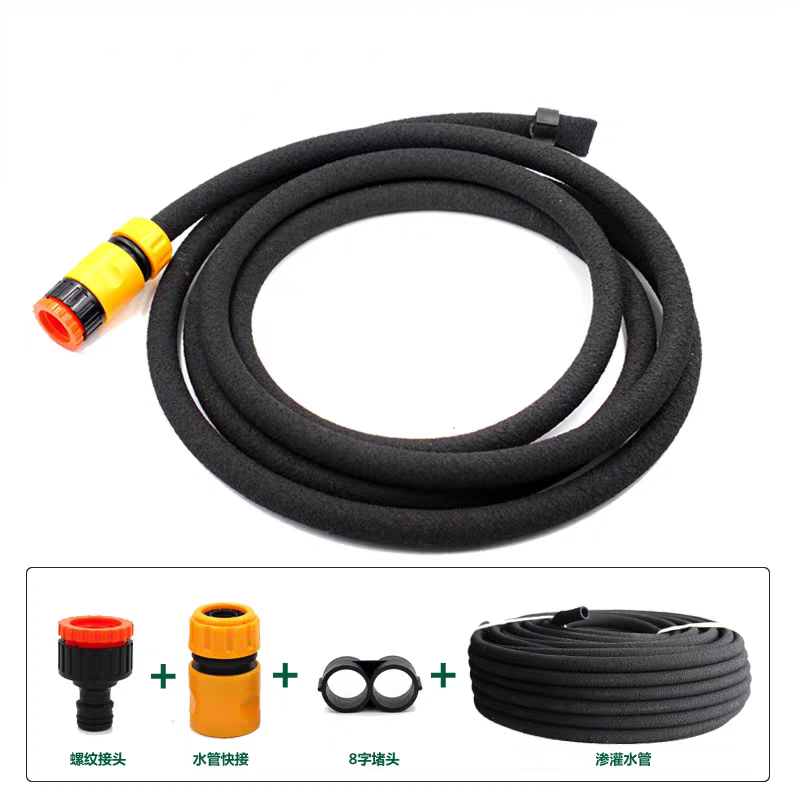
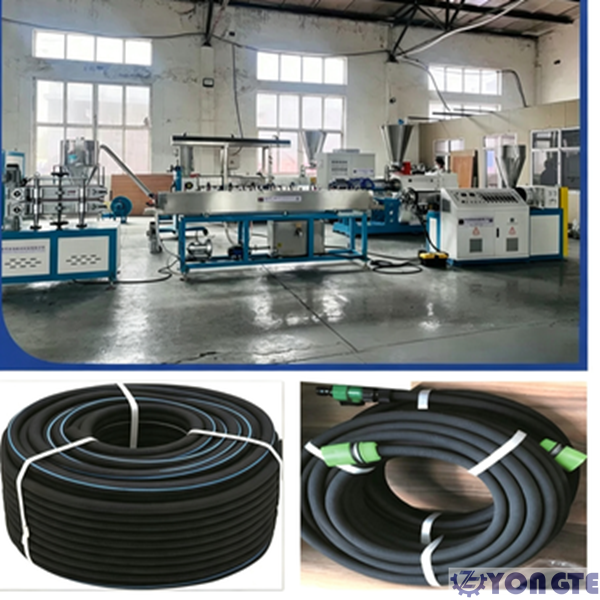
Yongte has successfully upgraded its core production formula and manufacturing process for rubber microporous permeable pipes, launching an innovative, cost-effective, and eco-friendly production solution. Breaking the limitations of traditional microporous pipe manufacturing, the new process adopts a direct compounding and extrusion method with waste rubber, PE materials and specialized auxiliary agents, enabling one-step production of high-quality capillary microporous pipes with adjustable pore parameters.
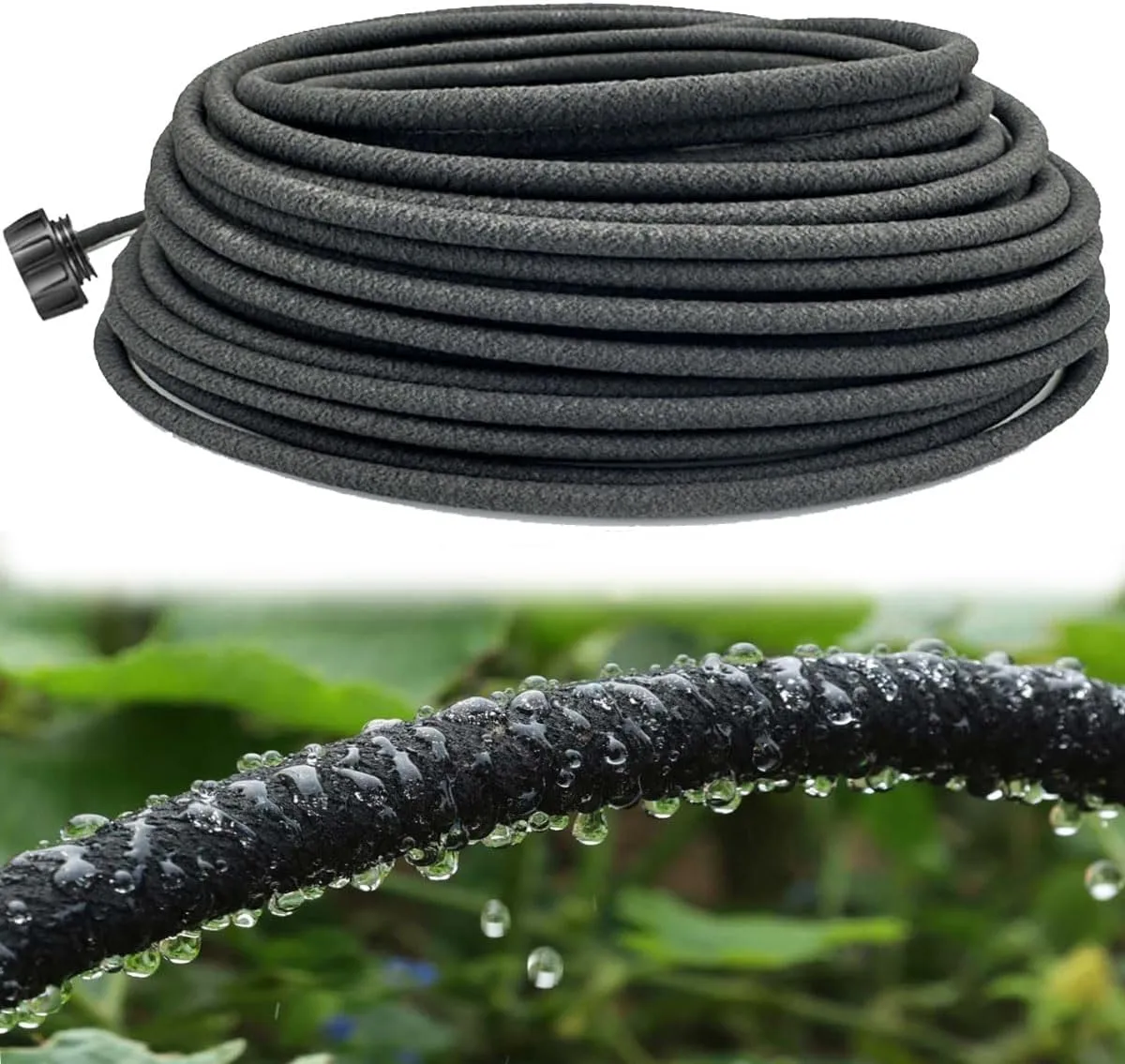
Core Technological Innovation: Formula-Based Automatic Pore Forming, No Mechanical Drilling Required
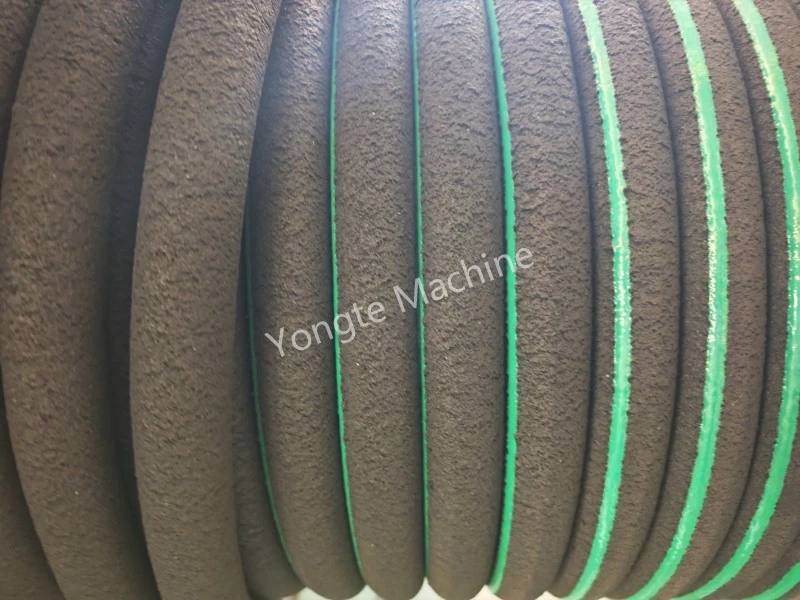
Different from conventional complex foaming and pore-forming technologies that rely on post-production mechanical drilling or complicated physical foaming processes, Yongte’s upgraded formula realizes one-step automatic micropore forming through raw material proportioning. The process utilizes recycled waste rubber as the core raw material, blended with PE resin and customized functional auxiliary agents. During the extrusion molding process, uniform capillary micropores are naturally and stably formed inside the pipe body with no need for additional punching equipment and secondary processing procedures.
By precisely adjusting the dosage of specialized auxiliary agents, manufacturers can freely and accurately control the micropore size and density of the finished pipes, realizing flexible customization of product water permeability and air permeability according to different usage scenarios. This disruptive technological breakthrough completely solves the pain points of uneven pore size, easy pore blockage and high processing cost caused by traditional mechanical punching. It not only greatly enriches the product performance dimensions but also significantly improves the stability and scenario adaptability of microporous pipes for diverse industrial and agricultural applications.
The newly developed rubber microporous permeable pipes feature uniform tiny capillary pores, stable structural performance and excellent corrosion resistance, covering a wide range of high-demand application fields. In modern agriculture, the pipes serve as efficient irrigation pipelines, achieving uniform water seepage, reducing water evaporation and waste, and improving the utilization rate of agricultural water resources. In aquaculture, the microporous structure delivers stable and fine oxygen diffusion, acting as professional aeration pipes to improve water dissolved oxygen content and optimize aquaculture water environments. In environmental protection engineering, the products can be used as sewage treatment permeable pipes, realizing efficient water filtration and permeation while avoiding pipeline blockage, supporting stable operation of sewage treatment systems.
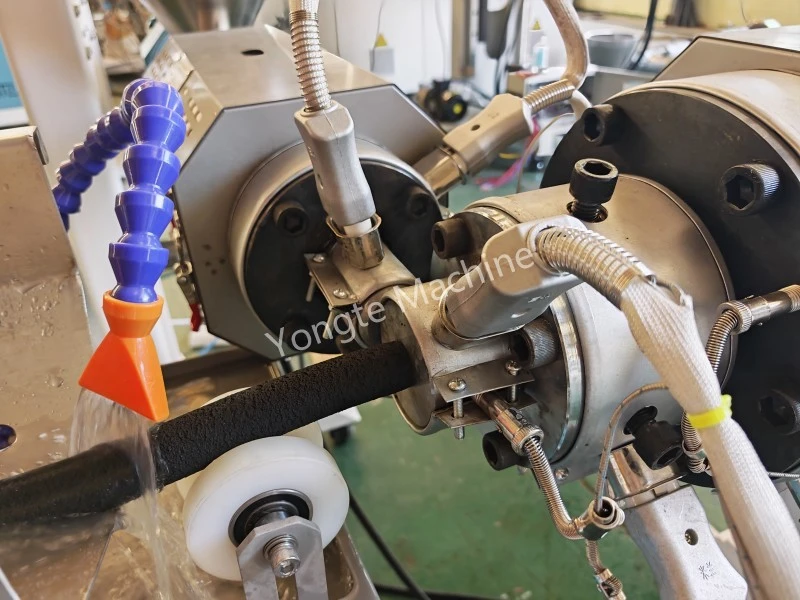
Simplified Production Process, Low-Cost Green Manufacturing
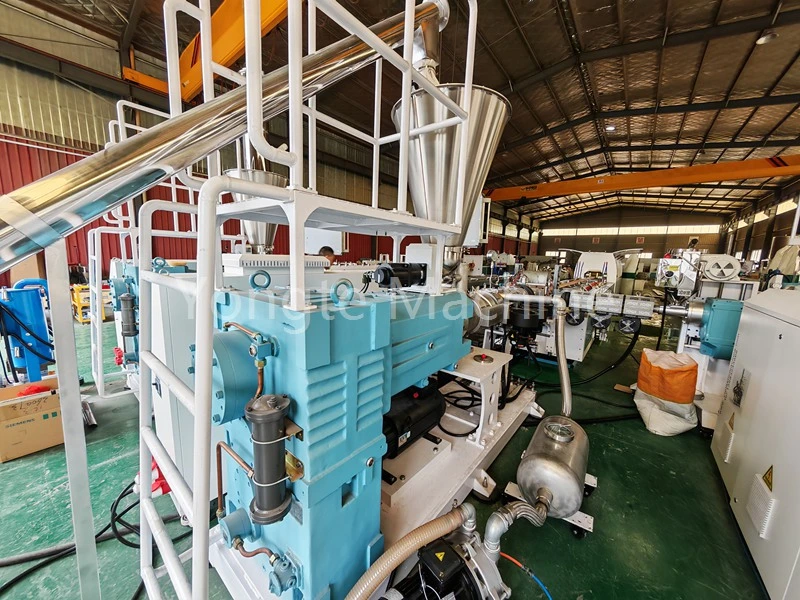
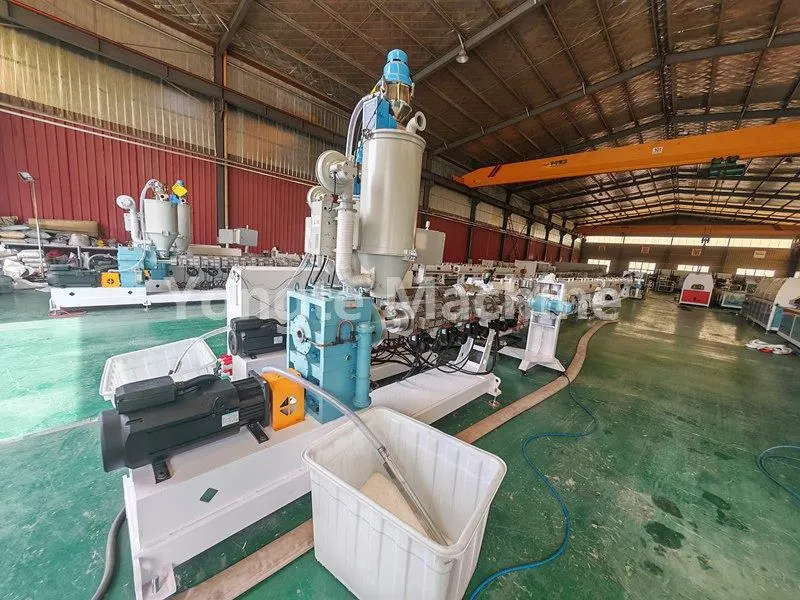
In addition to superior innovative pore-forming technology and stable product performance, Yongte’s optimized manufacturing process boasts outstanding simplicity and cost-efficiency in equipment operation and production flow. Benefiting from the one-step formula pore-forming design without secondary mechanical punching, the entire production line is highly streamlined and requires minimal equipment configuration. The whole production process only needs three core procedures: raw material uniform mixing via a compounding mixer, continuous integrated extrusion molding through a single-screw extruder and customized mold, followed by conventional water tank cooling and traction winding.
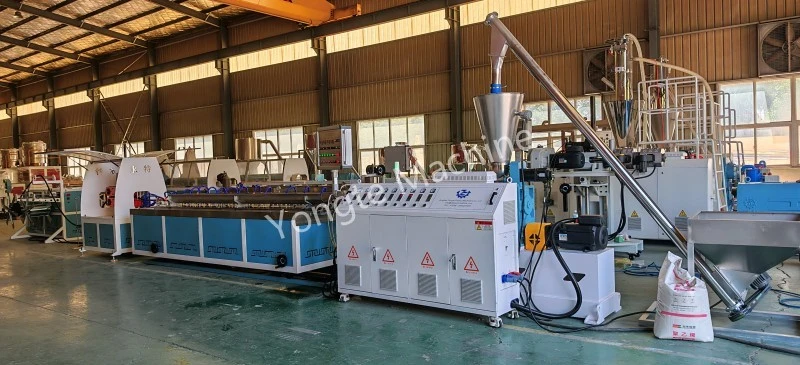
The innovative process eliminates cumbersome intermediate processing links such as secondary punching, pore trimming and defect repair required by traditional products, greatly reducing equipment investment, labor costs and production cycle. Meanwhile, the large-scale reuse of waste rubber materials effectively lowers raw material costs and industrial carbon emissions, perfectly conforming to the global green manufacturing, energy-saving and circular economy development trend.
“Our process optimization focuses on dual upgrades of core technological innovation and practical production efficiency, with the formula automatic pore-forming technology as our biggest competitive advantage,” said the technical director of Yongte Optimization. “We have abandoned the traditional post-processing mechanical punching mode, and realized integral and uniform micropore forming through raw material formula innovation. By recycling waste rubber resources and matching adjustable pore-forming technology, we not only solve the problems of high cost, unstable pore quality and single performance of traditional microporous pipes but also simplify the entire production process. This innovation enables enterprises to produce high-value functional pipes with lower investment and higher yield, while contributing to resource recycling and green industrial development. We will continue to iterate formulas and processes to provide more customized and efficient pipeline solutions for agricultural, aquaculture and environmental protection industries.”
With the booming development of modern ecological agriculture, intensive aquaculture and environmental protection infrastructure, the market demand for high-efficiency, energy-saving and customizable microporous permeable pipes continues to grow. Yongte’s new production technology fills the market gap of low-cost and adjustable-performance rubber microporous pipes, providing reliable product and technical support for the upgrading of related downstream industries.
Related News
- Large Parallel Twin-Screw Plastic Recycling Extruders for African Client Under Production
- Yongte plastic recycling extruder running in Africa
- How many molds are needed for one set of door frames?
- Integrated Anti-Bridging Feeding System for Recycled Plastic Extrusion
- Yongte Rubber Foam Microporous Seepage Pipe Production Line Successfully Commissioned for Indian Client
- Advantages of Rubber Soaker Irrigation Pipes vs Traditional Irrigation Tubes
Leave me a message