How rubber soaker hose used for irrigation?
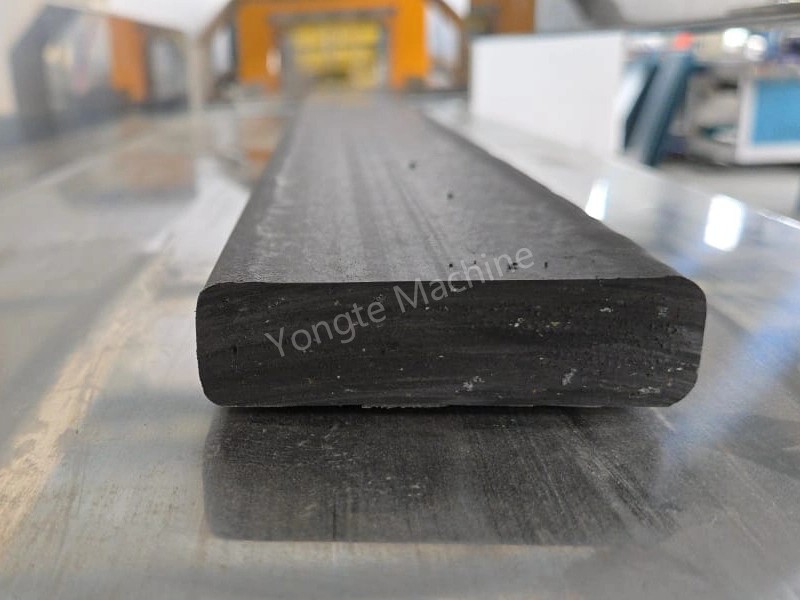
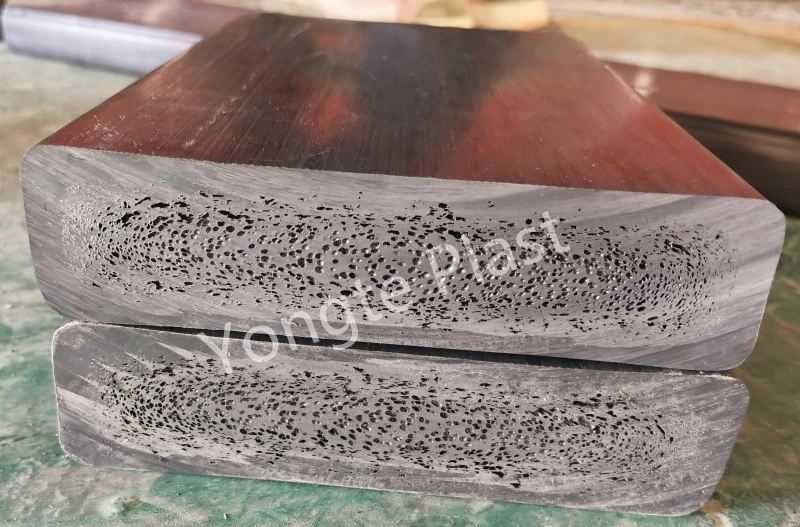
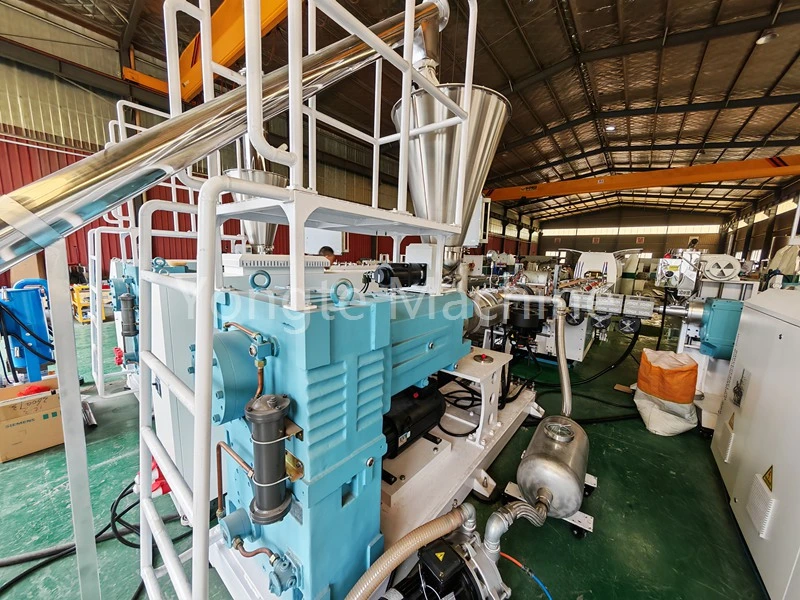
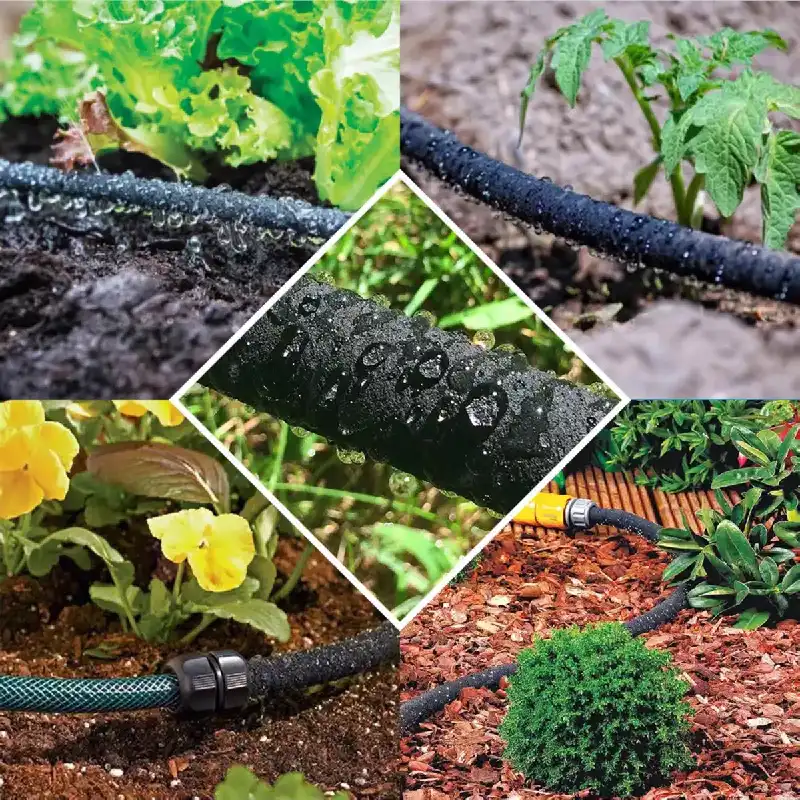
Yongte is professional manufacturer for rubber soaker hose making machine which is used for making irrigation rubber hose from waste rubber material. The rubber soaker hose is a highly efficient water-saving agricultural irrigation tool designed to optimize water usage in farming. It functions by delivering water uniformly through countless micro-pores embedded along the hose wall, which allows for a slow and steady release of moisture directly into the soil around crop roots. This targeted method of irrigation ensures that water is supplied precisely where it is most needed, promoting healthier root development and plant growth. By minimizing surface water exposure and reducing runoff, the hose significantly cuts down on evaporation and water waste, making it an environmentally friendly and cost-effective solution for modern agriculture.

Below are the complete usage methods and technical points:
I. Core Principles and Advantages
- Principle: Under conditions of low pressure (ranging from 0.1 to 0.2 MPa, water gradually and gently seeps out through the micropores located in the pipe wall. This process occurs in a manner reminiscent of sweating, allowing the water to be distributed evenly and consistently. As a result, the surrounding soil layer near the plant roots becomes uniformly moistened, providing optimal hydration essential for healthy root development and sustained plant growth.
- superiority :This irrigation system achieves exceptional water efficiency by saving 70%–80% of water resources compared to traditional sprinkler or flood irrigation methods, while maintaining an impressive water utilization rate of up to 95%. The high efficiency is attributed to its direct root-zone delivery mechanism, which minimizes evaporation loss and runoff, ensuring nearly all water reaches the crop root system. This significant water conservation not only reduces agricultural production costs but also contributes to sustainable water management, making it an ideal solution for regions facing water scarcity challenges.
- This irrigation method effectively reduces surface water evaporation by delivering moisture directly to the root zone, minimizing exposure to air and sunlight. By maintaining optimal soil moisture levels without saturating the surface, it creates an unfavorable environment for weed seed germination and growth, thereby naturally suppressing weed proliferation. Additionally, the controlled water distribution reduces leaf wetness and humidity around plant foliage, which helps mitigate the spread of fungal diseases and bacterial infections that thrive in moist conditions.
- Excellent flexibility for various applications, strong adaptability to diverse terrain conditions, and straightforward installation procedures for ease of use.
- The rubber soaker hose can be either buried underground or simply laid on the surface, offering great flexibility in installation while maintaining a long and reliable service life under various environmental conditions.
II. Installation and Laying Methods
- Surface paving, (which can be implemented in either a simple or temporary manner, is carried out by laying the material along the crop rows in such a way that it closely adheres to the root zone of the plants. This method helps to effectively cover the soil surface and provide a protective layer. To further enhance the effectiveness of this approach, covering with straw or mulch film is recommended, as this significantly reduces water evaporation from the soil and also helps prevent premature aging of the paving material. Additionally, the end of the paved section is carefully sealed with a plug or similar barrier to prevent any potential leakage, ensuring that the system remains efficient and functional over time.
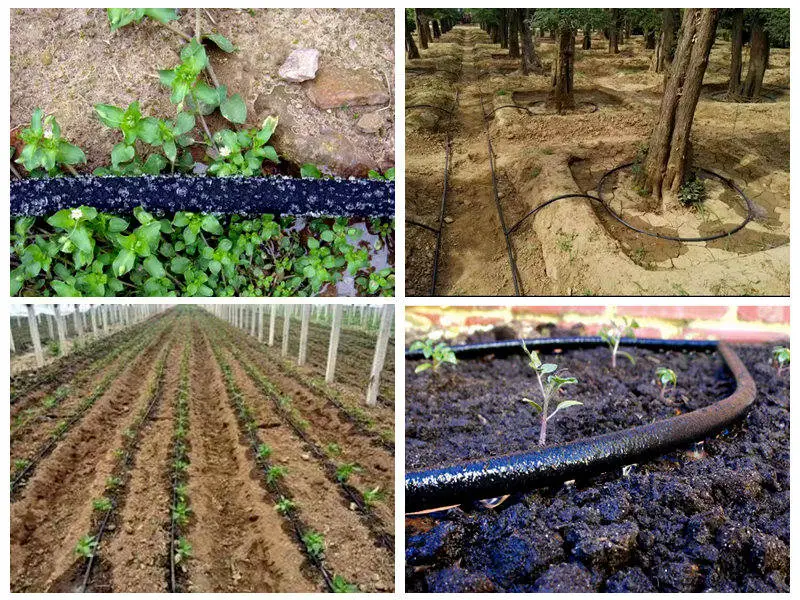
2. Underground seepage (irrigation is a highly efficient and long-term water-saving irrigation method. For field crops, the recommended burial depth is 20–30 cm, while for fruit trees, it should be buried at a depth of 30–50 cm to ensure optimal water delivery (directly to the root zone. In northern regions with permafrost conditions, the system must be installed below the permafrost layer, typically at a depth of at least 1.2 meters, to prevent freezing and ensure year-round functionality. The spacing between seepage lines should be 30–50 cm for vegetable crops and 1–1.5 meters for fruit trees, allowing uniform water distribution and maximizing irrigation efficiency. After installation, the trenches must be backfilled with fine soil to avoid damage from stones or sharp objects, which could puncture the seepage lines and compromise the system's integrity.

III. System Composition and Interconnection
· Water source: wells, reservoirs, municipal water networks (decompression required)
· Main pipe: PVC/PE, equipped with valves and pressure gauges
· Filter: 100–120 mesh to prevent micropore clogging
· Drainage tube: Cut according to row spacing, with end plugs for sealing
· Fittings: bypass, tee, quick coupling, ensuring sealing
IV. Key Points of Operation and Maintenance
1. Run parameters
· Working pressure: 0.1–0.2 MPa (low-pressure operation)
· Single irrigation: 2–4 hours, based on moistening the root zone
· Frequency: Adjust according to crop, soil, and weather
2. Integrated Water and Fertilizer Management
· Use only water-soluble fertilizers, filtered and injected
· Concentration: Prepare according to the instructions to avoid excessive root burn
· Rinse the pipeline with clean water after fertilization to prevent crystalline blockage
3. Daily Maintenance
· Regularly flush the pipelines to remove impurities
· After the end of the irrigation season, drain and properly store the accumulated water.
· Inspect the joint seal and repair any damage promptly
V. Applicable Scenarios
- · Specialized agricultural facilities including vegetable greenhouses (ideal for controlled environment crop cultivation), intensive orchards (supporting precise water delivery to fruit tree root systems), vineyards (optimizing grapevine moisture absorption), commercial nurseries (ensuring uniform seedling hydration), and flower production bases (maintaining delicate bloom quality through consistent moisture levels)
- · Water-deficient environments including sloped terrains (where rapid runoff is mitigated through controlled water seepage), sandy soils (minimizing infiltration loss by delivering moisture directly to root zones), and saline-alkali lands (reducing surface evaporation that exacerbates salt accumulation in the root zone)
- · Conservation tillage systems including no-tillage (preserving soil structure by eliminating plowing), direct seeding (reducing soil disturbance through direct seed placement), and reduced tillage (minimizing cultivation frequency to maintain organic matter and moisture retention), which integrate seamlessly with soaker hose irrigation by preserving soil moisture levels and root zone integrity during crop establishment
Related News
- How to solve the problems of abnormal noise and excessive vibration in WPC extruders
- Is a WPC Machine the Key to Sustainable Wood-Plastic Composite Manufacturing and Higher Production Efficiency
- How Can an HDPE Board Extrusion Machine Revolutionize Your Plastic Manufacturing Process
- How Can the ABS Profile Extrusion Line Revolutionize Plastic Profile Manufacturing
- How Does a WPC Machine Turn Mixed Waste Into High-Value Profiles?
- What Surface Treatment Can Be Applied for WPC Door?
Leave me a message