Why We Equip PE Pipe Extruder with 33:1 L/D?
Advantages of using extruder with 33:1 L/D ratio for PE water pipe production
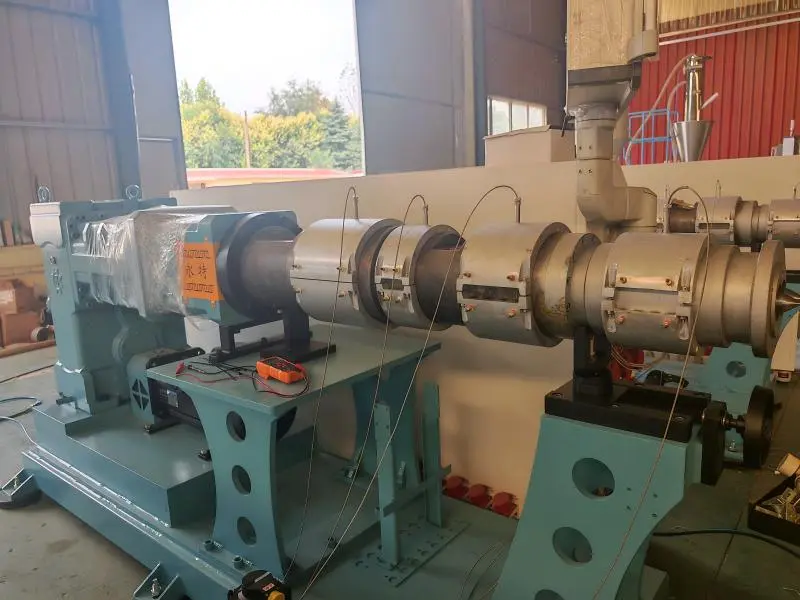
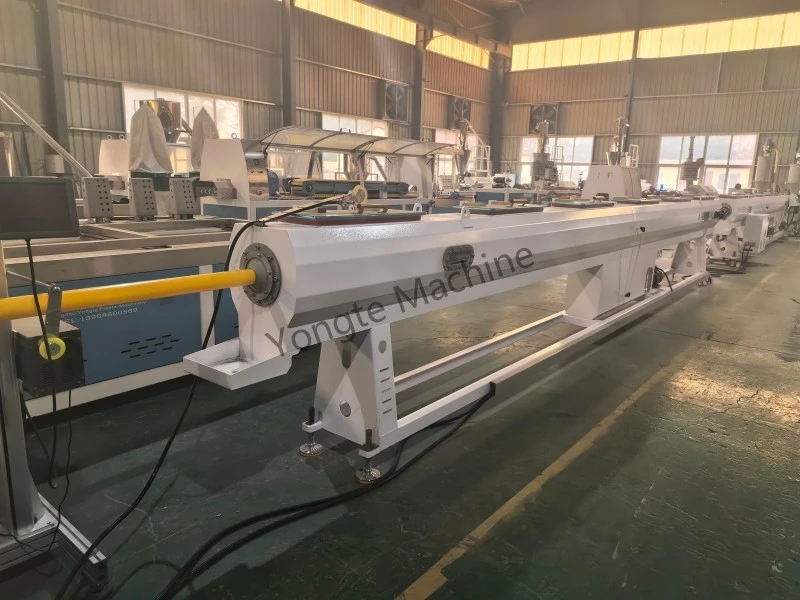
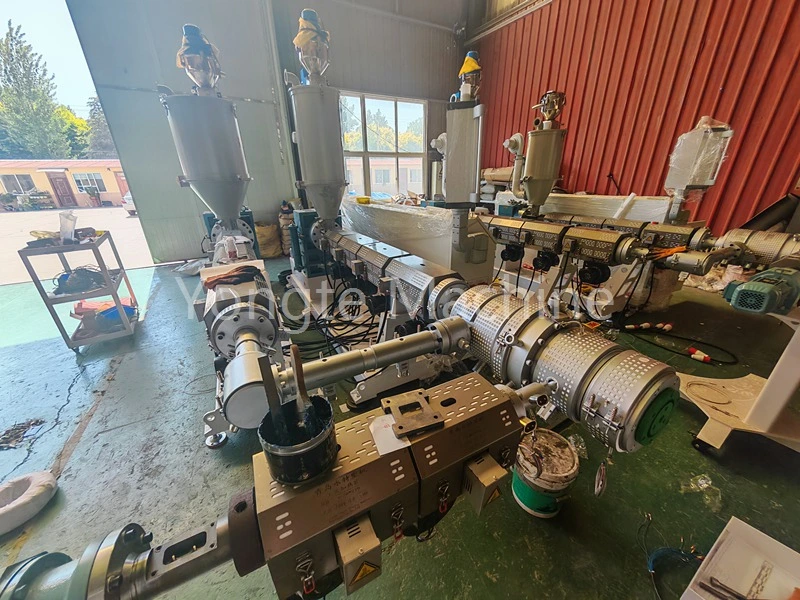
Our company specializes in the production of PE pipe manufacturing equipment. To meet the requirements of PE pipe extrusion processes, we have launched a series of extruders with a length-to-diameter ratio of 33:1, including the SJ65/33 16–63 mm PE pipe equipment, the SJ75/33 75–160 mm PE pipe production line, the SJ90/33 160–315 mm PE pipe extrusion line, and the SJ120/33 300–500 mm PE pipe production equipment. This series of equipment has demonstrated multiple outstanding advantages in actual production applications, enabling manufacturing enterprises to enhance pipe quality and optimize production efficiency.
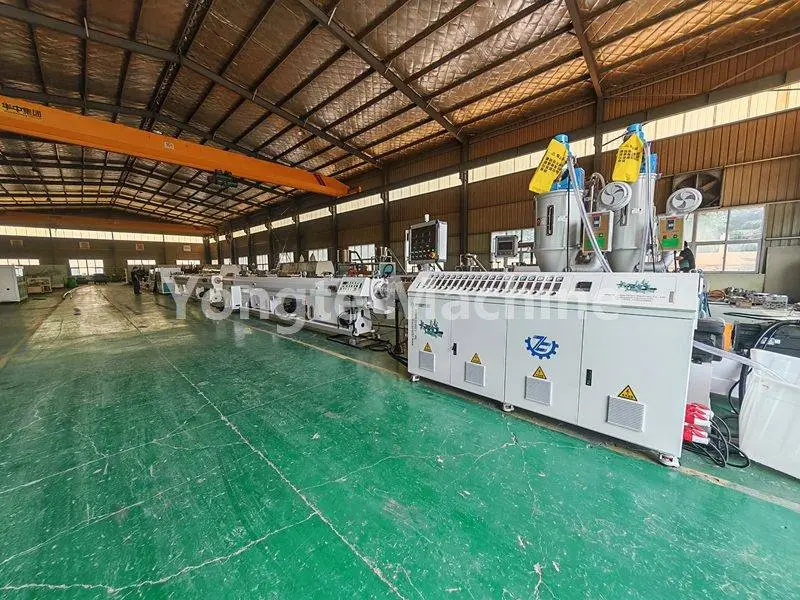
The following section provides a detailed overview from various perspectives.
I. Advantages of Plasticization and Molding
1. With thorough melting, the formation of crystallization points and unmelted particles is minimized. The extended screw travel ensures an optimal residence time of the material within the barrel, allowing HDPE particles to melt progressively. This facilitates a smoother transition from solid to molten state, preventing localized unmelted material. Furthermore, the smooth inner and outer surfaces of the pipe reduce the occurrence of pinholes and crystallization defects, thereby lowering the risk of pipe rupture.
2. For PE water supply pipes, the addition of carbon black to the color masterbatch—along with the effective dispersion of recycled material—enhances anti-aging performance; many production lines also incorporate recycled material. A 33:1 screw mixer provides sufficient mixing stroke to ensure uniform carbon black dispersion, minimizing the formation of black spot agglomerates, thereby guaranteeing the long-term weather resistance of the pipes. Additionally, the use of recycled material results in superior melt homogeneity.
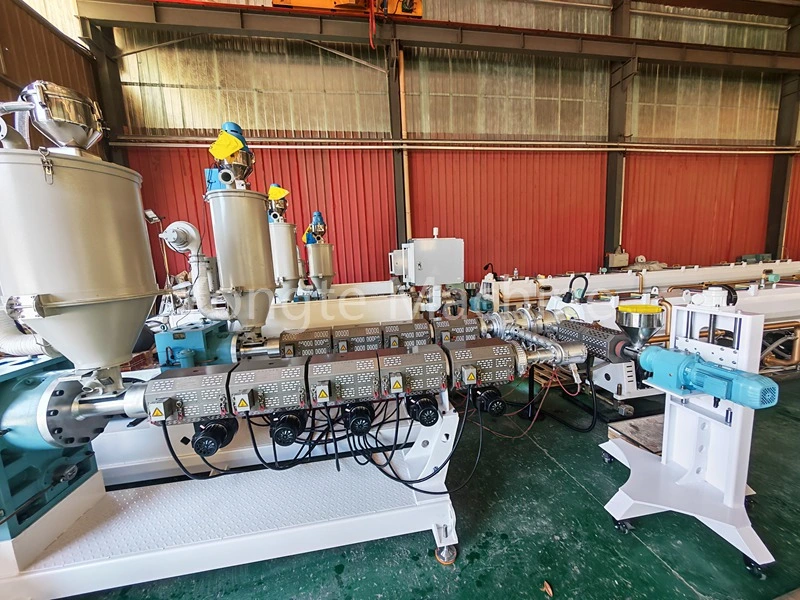
2. Stable melt pressure ensures high dimensional precision of the tubing.
1. A longer metering section results in reduced extrusion pulsation. With a longer metering section in a long screw extruder, the melt is more thoroughly stabilized and buffered within the metering section, leading to smaller fluctuations in melt pressure, stable discharge flow rate, and superior dimensional consistency of the extruded pipes.
2. Uniform wall thickness and controllable ellipticity, coupled with stable pressure performance, directly result in tight wall thickness tolerances and low ellipticity for the pipe products. PE pressure pipes are pressure-bearing piping materials; uniform wall thickness is critical to ensuring compliance with ring stiffness and static hydrostatic strength requirements, thereby reducing the failure rate in final product inspections and making these pipes ideal for prolonged, continuous, and stable production operations.
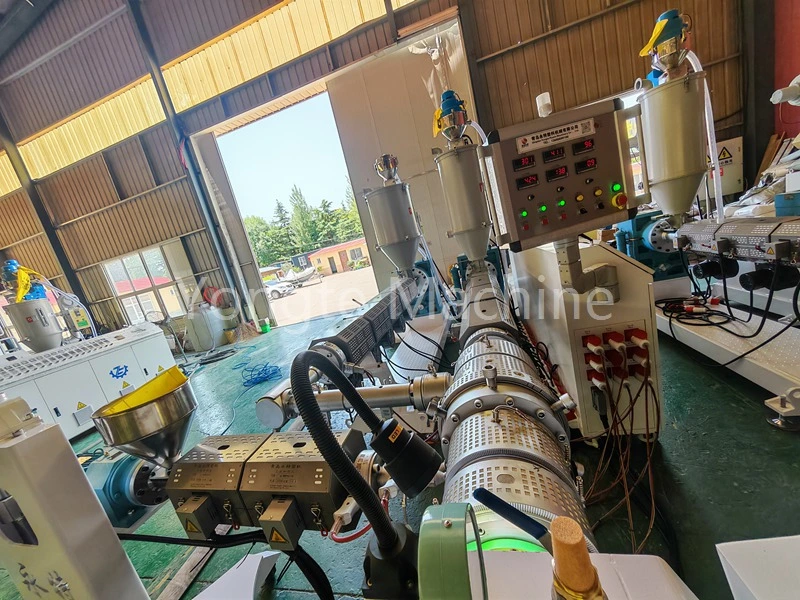
III. Wide process range and strong production adaptability
1. There is greater potential for increasing production capacity. Compared to a 30:1 screw, a 33:1 screw enables higher extrusion speeds and increased output under the same screw diameter, significantly enhancing production capacity per unit time. At the same time, it avoids the excessive shear stress associated with 38:1 or 40:1 screws, thereby ensuring production increases while mitigating the adverse effects of over-shearing.
2. High tolerance to raw material variability: When there are minor variations in raw material batch characteristics or in the recycled material ratio, the process can be more easily adjusted, reducing the likelihood of quality fluctuations and thereby enhancing the production fault tolerance.
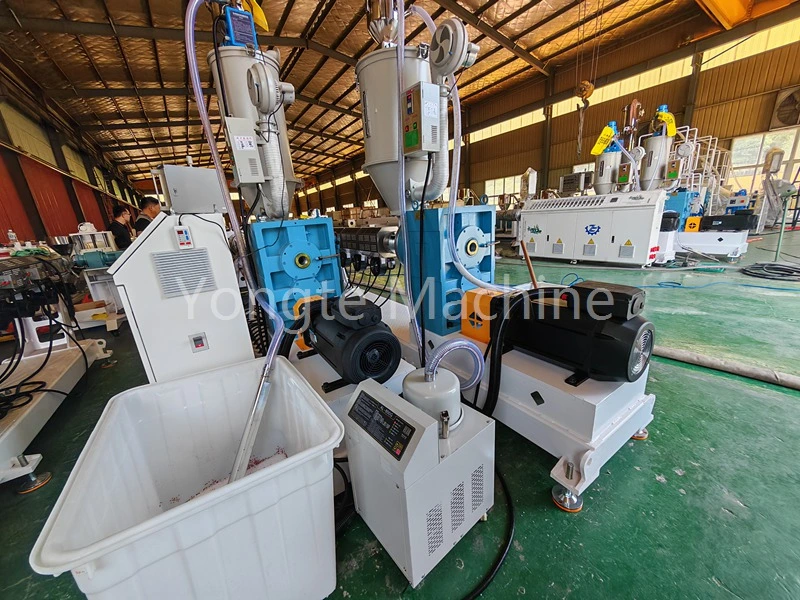
IV. Mitigating thermal degradation to preserve the mechanical properties of PE materials
· HDPE is sensitive to heat generation under excessive shear: compared to long screws with a ratio of>36:1, a screw ratio of 33:1 ensures that the residence time is not excessively long. Consequently, the thermal history and shear profile experienced by the material within the barrel remain moderate, allowing the shear heat to be effectively controlled. This approach prevents molecular chain scission, ensures that the tensile strength and hydrostatic pressure performance of the pipes do not degrade, and avoids the occurrence of brittleness, yellowing, or char particles in the pipes.
In short: plasticization is sufficient, but it will not "cook" the PE.
V. Overall Cost-Effectiveness of Equipment (From an Engineering Perspective)
· Compared to 30:1, this variant offers a higher upper limit of product quality, with greater margin for improvement in plasticization quality and melt uniformity, making it suitable for large-diameter PE pipes, high-speed production lines, and outdoor pressure-resistant piping applications.
· Compared to 38/40:1, the 33/1 variant offers lower host power consumption, reduced energy usage, less screw wear, lower maintenance costs, and improved resistance to overheating-induced degradation. Consequently, the HDPE pressure pipe industry widely adopts 33:1 as the preferred standard specification, balancing production capacity, product quality, and energy efficiency.
Summary
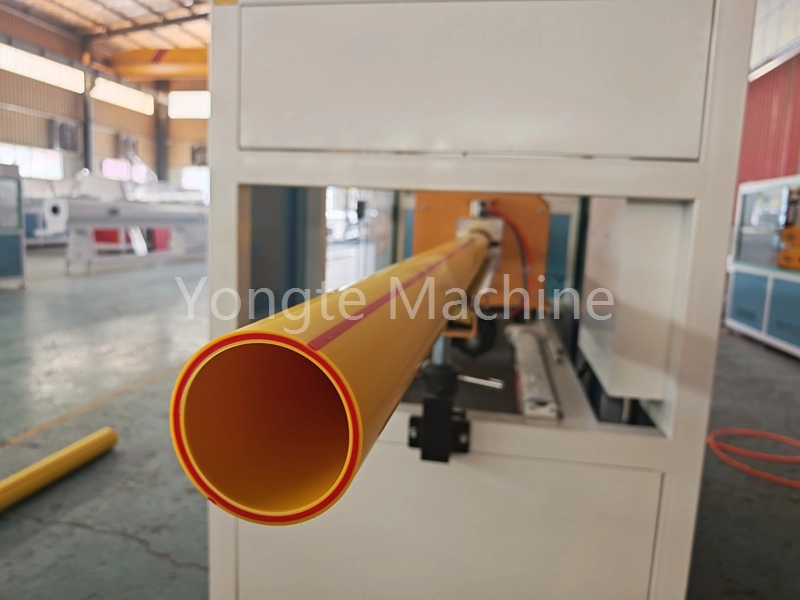
The 33:1 length-to-diameter ratio PE pipe extruder, designed for the production of PE water supply pipes, ensures thorough plasticization of the material, promotes uniform dispersion of carbon black and recycled material within the melt phase, prevents performance fluctuations caused by localized agglomeration, maintains stable melt pressure, and achieves high precision in pipe wall thickness control. While sustaining production capacity, this extruder effectively controls shear heat, prevents HDPE degradation, and guarantees the hydrostatic strength and weather resistance of the pipes. Additionally, it offers strong process adaptability, balancing product quality with production costs, making it the preferred choice for HDPE pressure pipe production lines.
Related News
- Advantages of Rubber Soaker Irrigation Pipes vs Traditional Irrigation Tubes
- Can Yongte Supply Turnkey Project Service for WPC decking plant?
- 200x50mm Recycled Solid Plastic Lumber Machine Tested Successfully
- Yongte WPC Column making machine with co-extrusion is successfully tested
- How can plastic film wastage be used to produce wood-plastic composite (WPC) products?
- WPC Extrusion Machine Temperature Setting
Leave me a message