Indoor WPC vs Outdoor WPC Comparision
Outdoor and Indoor Wood-Plastic Composites: Comparison of Differences in Raw Materials, Production Processes, and Equipment
Outdoor wood-plastic composites (WPCs) require stricter standards for weather resistance, UV resistance, and moisture protection; consequently, their raw material formulations typically incorporate higher concentrations of stabilizers, anti-aging agents, and mold-resistant additives. In contrast, indoor WPCs prioritize surface fineness, processing fluidity, and environmental compliance—often utilizing PVC substrates to enhance decorative appeal and molding precision.
Due to prolonged exposure to sunlight and rain, outdoor WPCs require UV blockers—such as carbon black or titanium dioxide—in their formulations, along with high-melt-index HDPE to improve extrusion stability. Indoor WPCs, by comparison, commonly employ calcium carbonate filler systems that maintain rigidity while reducing material costs. Diverse surface finishes—such as wood-like and stone-like effects—are achieved through precision grinding and surface embossing processes.
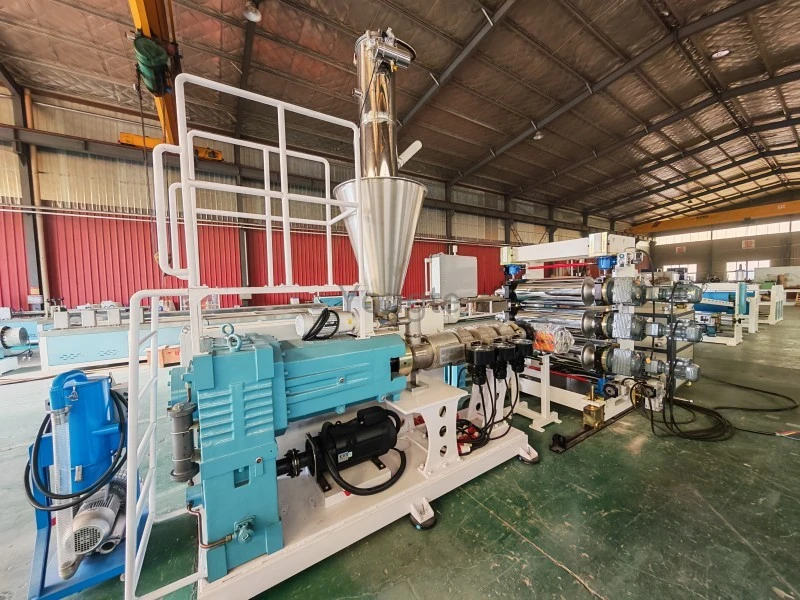
In terms of equipment configuration, outdoor WPC production lines typically integrate compounding and granulation equipment, coupled with high-mixing, high-plasticizing extrusion systems. These address processing challenges associated with high-filler formulations and ensure dimensional stability under high-temperature and high-humidity conditions. Indoor WPC production, on the other hand, emphasizes surface quality and detail reproduction, relying predominantly on precision molds and film-coating equipment to enhance appearance consistency and tactile performance.
Moreover, outdoor WPCs demand higher mixing efficiency from screw configurations, necessitating thorough dispersion of additives. Indoor WPCs, in contrast, place greater emphasis on uniform melt flow to prevent surface flow marks or color variations.
I. Differences in Core Raw Materials
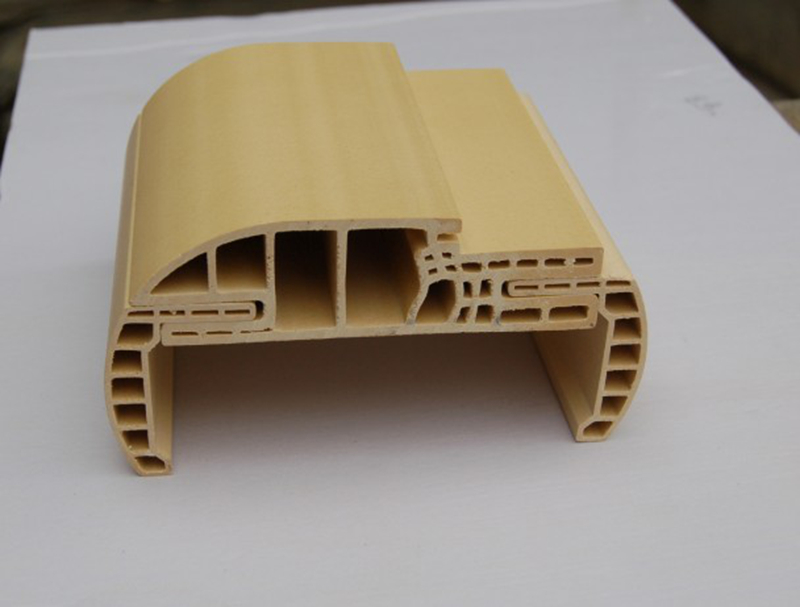
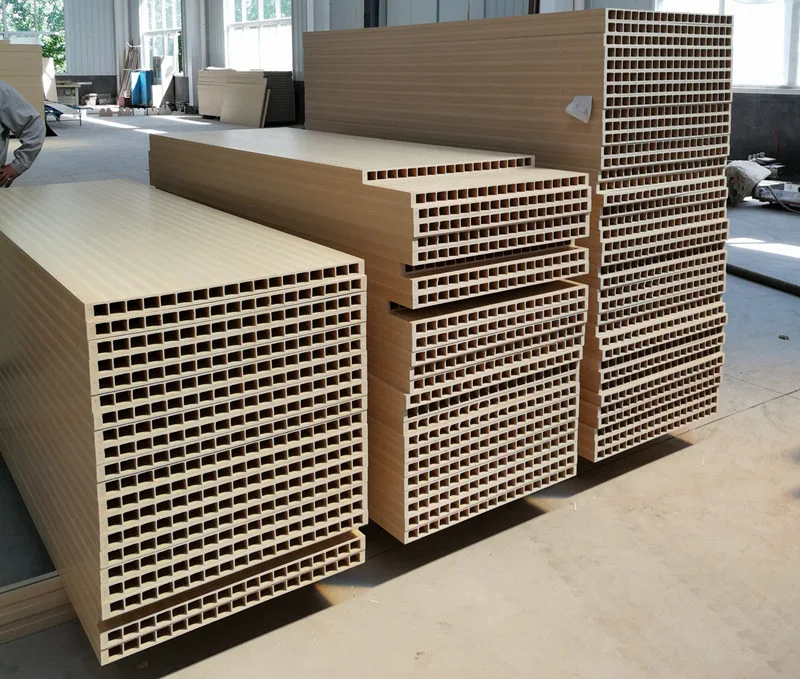
1. Indoor wood-plastic composite (home decoration: wall panels, baseboards, indoor flooring, door frames)
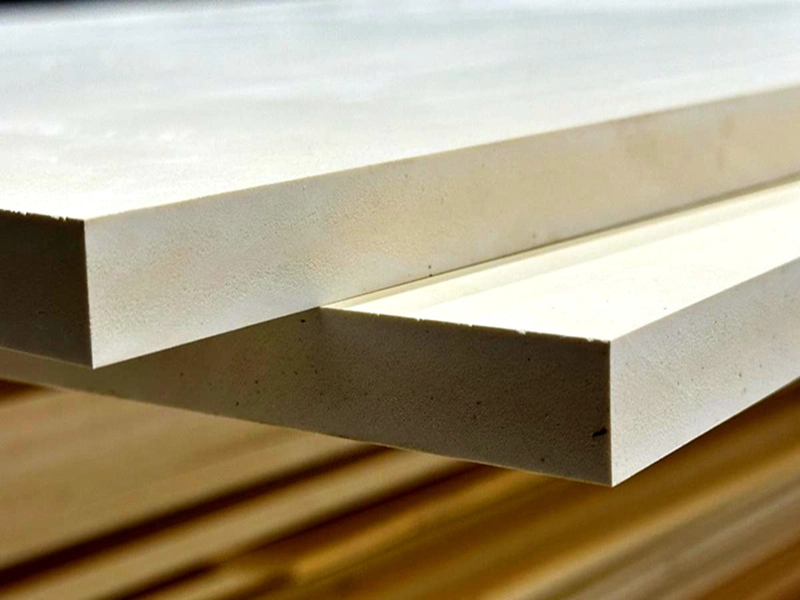
Substrate: Primarily PVC
· Main ingredients: PVC resin powder + calcium powder + wood powder+ chemical additives
· Wood flour: 80–120 mesh ordinary poplar wood/mixed wood flour
· Filling: A very high proportion of heavy calcium powder (to reduce costs)
· Adjuvants: ordinary stabilizer, ordinary lubricant, and a small amount of foaming agent
· No weather-resistant formulation, no UV resistance, no anti-aging properties
· Characteristics: Low density, foaming capability, low cost, sensitive to sunlight and rain exposure, prone to fading and brittleness.
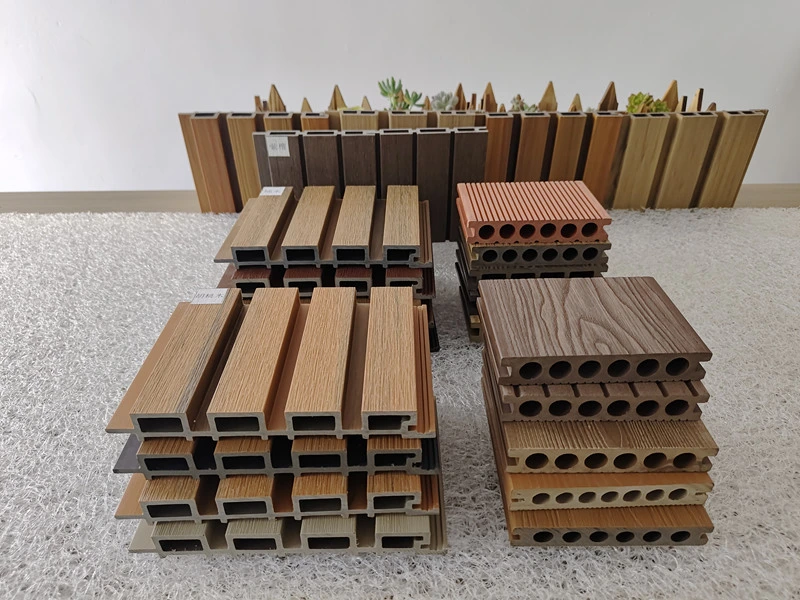
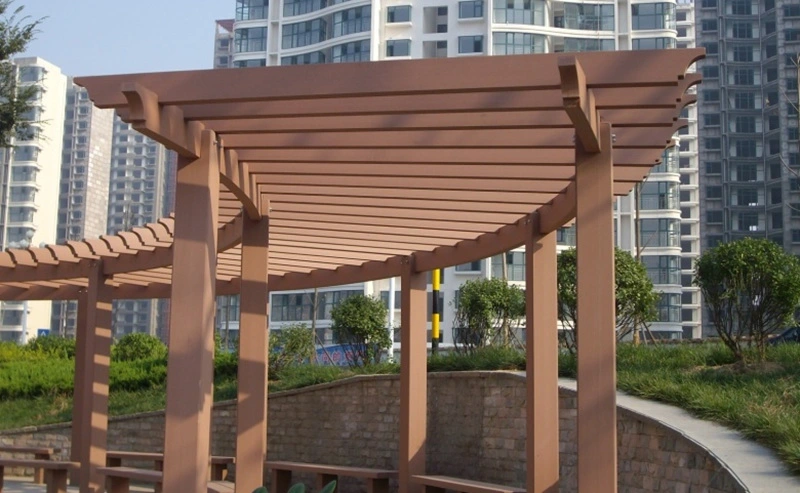
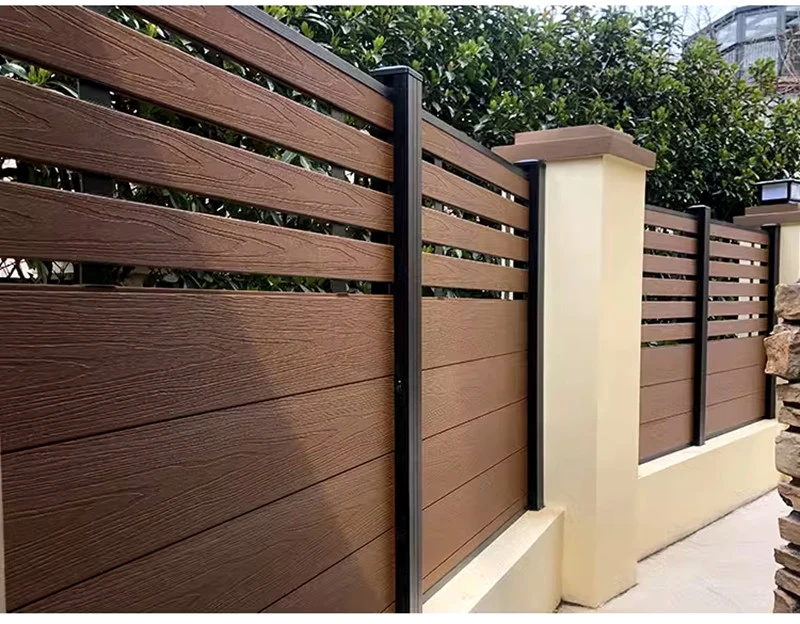
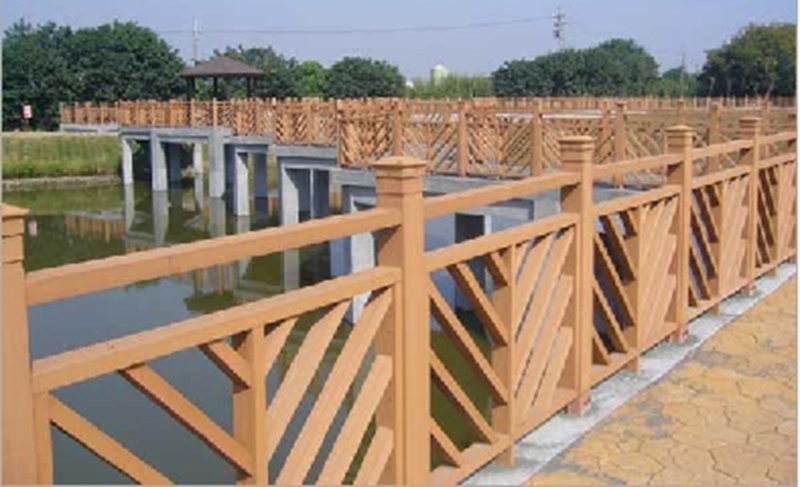
2. Outdoor wood-plastic composite materials (boardwalks, courtyard flooring, railings, pavilions, exterior wall panels)
Substrate: PP/ PE recycled material
· Main ingredients: Recycled + Premium wood flour +Chemical additives
· Wood powder: 60-100 mesh wood powder (moisture content <3%)
· Filling: Use minimal calcium powder and prioritize functional fillers.
· Core essential additives:
1. Ultraviolet Absorbent UV
2. Antioxidant (resistant to aging under high and low temperatures)
3. Couping agent
4. Lubricant
· Characteristics: High density, predominantly solid, resistant to sunlight and rain exposure, freeze-resistant, and long service life
II. Differences in Production Processes
Complete process for indoor PVC and wood-plastic composite materials
1. Raw material ingredients (PVC + calcium powder + wood powder + foaming agent + stabilizer)
2. High-temperature hot mixing → Cold mixing
3. Conical double extruder extrusion
4. Mold forming + Vacuum setting
5. Traction → Cutting → Stacking
6. Later stages: Film coating, transfer printing, surface application. Features:泡沫-forming capability, high speed, low energy consumption, versatile equipment – PVC profile line.
Complete Process for Outdoor PE and Wood-Plastic Materials
1. Raw material pretreatment: Thorough drying of wood powder (of utmost importance)
2. Proportion: HDPE + dried wood powder + complete set of weathering additives
3. The mixture is uniformly blended.
4. Priority to parallel twin-screw granulation (the two-step method is the most stable)
5. Wood-plastic dedicated extruder for extrusion molding
6. High-flow water cooling setting (faster cooling and deformation prevention)
7. Traction-based fixed-length cutting
8. Optional: Online embossing, wire drawing, and grooving. Features: requires drying of wood powder, additional granulation steps, and more stringent processing procedures.
III. Concise Comparison Table
|
project |
In-house PVC wood-plastic composite |
Outdoor PE wood-plastic composite |
|
Main resin |
PVC resin |
Recycled PE/ PP |
|
Wood flour Content |
10-40% |
60-70% |
|
Weathering Agent |
Not required |
Anti UV agent, antioxidant |
|
structure |
Multi-cellular foamed |
High-density without foaming |
|
Density |
0.5-1.0 gram/ cm3 |
1.1-1.3 gram/cm3 |
|
service environment |
Store in a dry, shaded place indoors. |
Exposed to the open air, exposed to sunlight and rain |
|
production engineering |
The one-step direct extrusion method is predominant. |
The process primarily involves two-step granulation followed by extrusion. |
|
equipment |
Standard PVC conical double screw extrusion line |
Specialized Parallel double screw extruder for granulation, and high-mix&plastization conical double screw extrusion line |
|
Life time |
3–8 years |
5-15 years |
These distinctions underscore that differences between outdoor and indoor WPCs—in raw material selection, formulation design, and equipment compatibility—originate fundamentally from divergent performance requirements dictated by their respective application environments. Outdoor applications emphasize long-term durability and environmental adaptability, driving material systems toward enhanced stability; indoor applications prioritize aesthetic appeal and process controllability, fostering more refined and versatile manufacturing techniques. This differentiation is reflected not only in the types and proportions of raw materials but also profoundly shapes the overall logic of production line configuration and the selection of critical components.
Related News
- Advantages of Rubber Soaker Irrigation Pipes vs Traditional Irrigation Tubes
- Can Yongte Supply Turnkey Project Service for WPC decking plant?
- 200x50mm Recycled Solid Plastic Lumber Machine Tested Successfully
- Yongte WPC Column making machine with co-extrusion is successfully tested
- How can plastic film wastage be used to produce wood-plastic composite (WPC) products?
- WPC Extrusion Machine Temperature Setting
Leave me a message