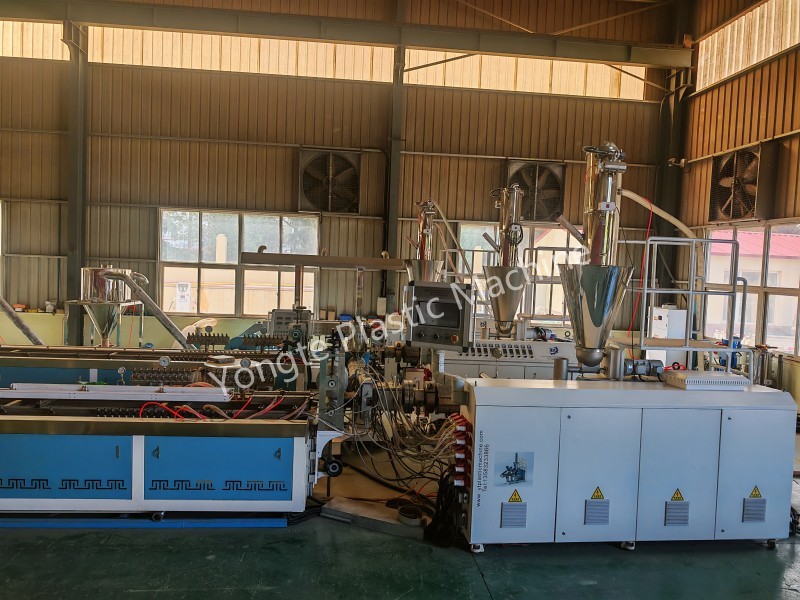
Formula and material of WPC production from plastic wastage
PE/PP Plastic and Wood Powder Composite WPC Profile Formulation
Description of Yongte WPC formulation:
The following formula is provided as a foundational reference. The actual production formula must undergo professional adjustment and optimization, taking into account factors such as process conditions, raw material properties, and quality specifications.
Formulators should conduct multiple small-scale trial productions and performance tests to adjust the addition ratio of each component, ensuring the final product meets the required physical properties, weather resistance, processability and other indicators. When using recycled raw materials, additional attention should be paid to detecting the impurity content and molecular weight degradation of raw materials, and corresponding adjustments to the formula should be made to compensate for performance losses.
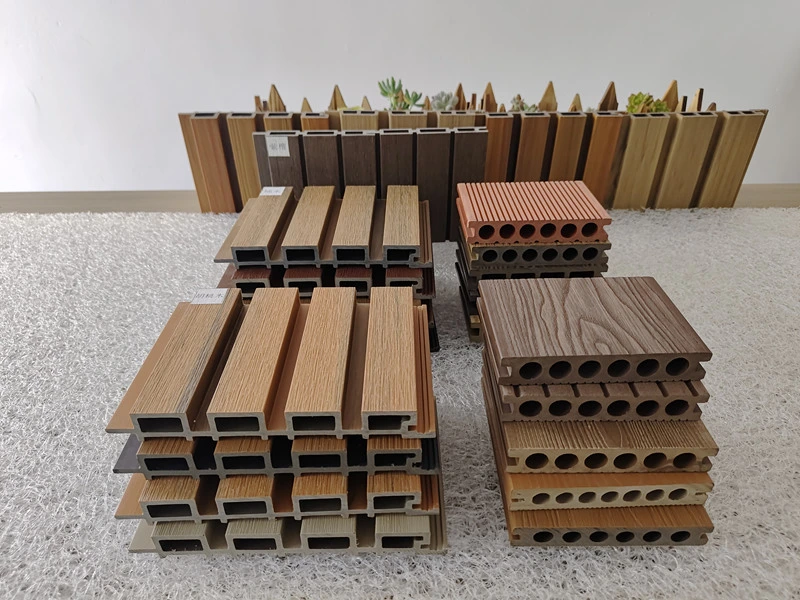
Details of Yongte WPC formulation
|
Material Name |
Function and Notes |
Formula quantity |
|
PE/PP plastic (recycled flakes or granules) |
serving as the primary polymer matrix of the wood-plastic composite profile, functions to bind the wood powder and other fillers into a cohesive structure while imparting the necessary thermoplastic processability and toughness to the final product. |
25-30% |
|
Wood Powder
|
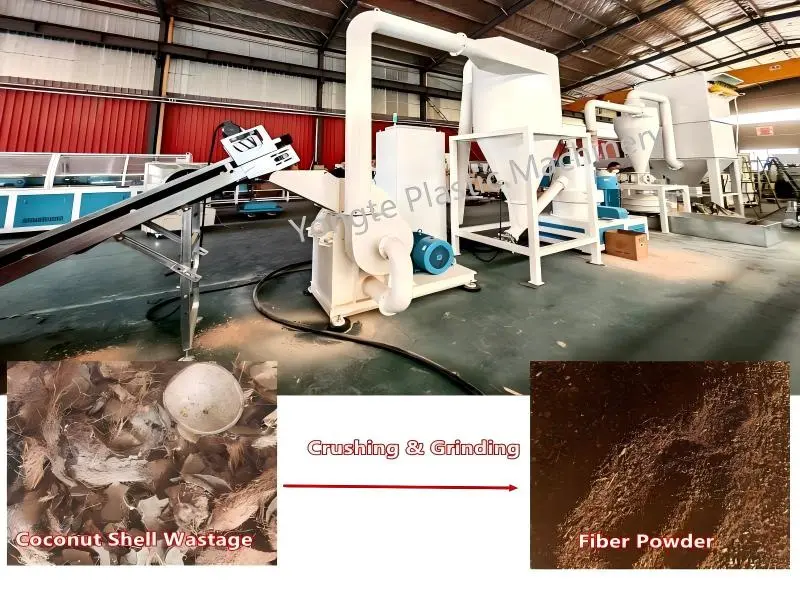
which serves as the main bio-based reinforcing filler of the composite, can significantly reduce the production cost of the finished profile while improving the rigidity and dimensional stability of the product. It is generally derived from forestry processing residues or agricultural waste, which is in line with the direction of low-carbon circular utilization of resources. |
50-70% |
|
CaCo3
|
which is commonly used as an inorganic filler in the formula, can further reduce material cost, improve the heat resistance and surface scratch resistance of the finished profile, and adjust the overall shrinkage rate of the product during extrusion molding. |
0-10% |
|
Coupling agent |
which acts as a compatibilizer between the organic polymer matrix and inorganic fillers/biomass fillers, can effectively improve the interfacial binding force between two phases with different polarities, avoid the problem of uneven dispersion of fillers and reduce the mechanical properties of the product. |
0.8-1.5% |
|
PE wax |
It is a commonly used internal and external lubricant in extrusion processing, can effectively reduce the friction between the polymer melt and the processing equipment, improve the fluidity of the melt during extrusion, and help the formed profile to obtain a smoother surface. It will not significantly affect the mechanical properties of the product when added within a reasonable range |
1.2-2.0% |
|
Stearic Acid
|
It is a traditional low-cost lubricant in extrusion processing, can play a good role in promoting melt release in the extrusion system, cooperate with other lubricants such as PE wax to adjust the overall lubrication balance of the formula, and help improve the surface gloss of the extruded profile. It is widely used in various modified polyolefin extrusion formulas |
1.5-2% |
|
Pigment (optional) |
It is mainly used to endow the final extruded product of WPC core layer with specific colors to meet different appearance needs. |
for customized color |
|
Anti UV agent (optional) |
It is an optional additive for WPC core layer formulations, which is mainly used to improve the weather resistance of the finished product. It can slow down the degradation and aging of polymer materials caused by ultraviolet radiation when the product is used in outdoor environments, and effectively prolong the service life of the WPC product. It is generally added when the product has long-term outdoor use requirements |
Customized 0.1-0.3% |
|
Anti oxygen agent (optional) |
It is a functional additive that can effectively inhibit the oxidative degradation of polymer matrix during high temperature extrusion processing and long-term service, preventing the finished product from appearing problems such as brittleness, cracking and performance degradation caused by oxidation. It can cooperate with anti UV agent to jointly improve the aging resistance of WPC products, which is a common additive in outdoor wood-plastic formulas. |
Customized 1-3% |
|
Co-extrusion material (optional) |
It is the necessary material for the WPC co-extrusion process, which usually made by core base material, pigments, and chemical additives. Compared with conventional WPC materials, co-extrusion materials can endow the product with a more scratch-resistant, stain-resistant and weather-resistant surface through integrated co-extrusion molding, which can further improve the overall service performance and service life of the product. |
For co-extrusion outer durable layer, 0.5-1.2mm thickness |
Products Application:
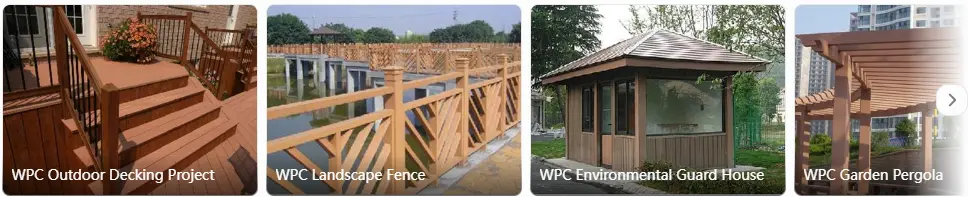
WPC decking, WPC wall cladding, WPC fence, WPC pergola profiles etc.
The co-extruded WPC profiles can provide richer color options and more consistent surface texture than traditional non-co-extruded products, and require less daily maintenance during use, which is widely favored in the market. At present, co-extrusion WPC products have been applied in more and more outdoor landscape construction projects, occupying a stable share in the high-end outdoor decoration material market.
Related News
- Advantages of Rubber Soaker Irrigation Pipes vs Traditional Irrigation Tubes
- Can Yongte Supply Turnkey Project Service for WPC decking plant?
- 200x50mm Recycled Solid Plastic Lumber Machine Tested Successfully
- Yongte WPC Column making machine with co-extrusion is successfully tested
- How can plastic film wastage be used to produce wood-plastic composite (WPC) products?
- WPC Extrusion Machine Temperature Setting
Leave me a message