What Surface Treatment Can Be Applied for WPC Door?
Common Surface Treatment Process of Wood-plastic WPC Door (From Low to High Cost)
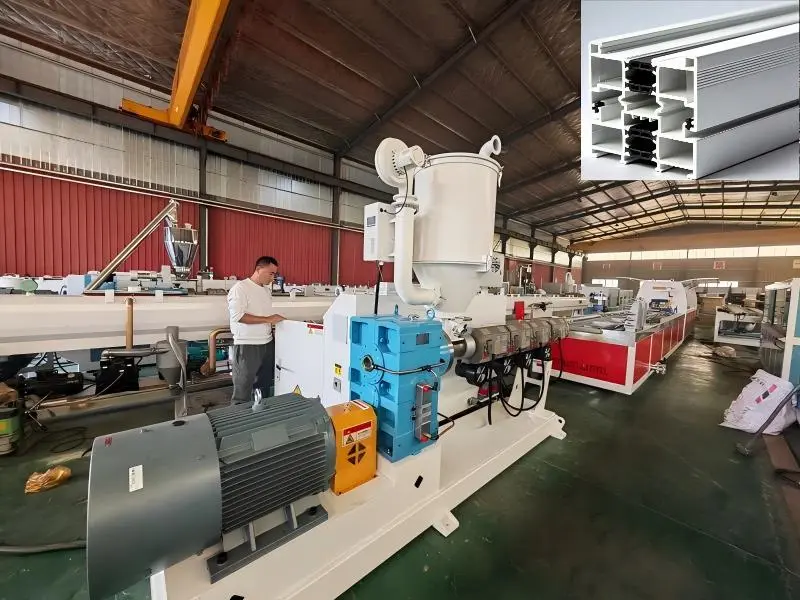
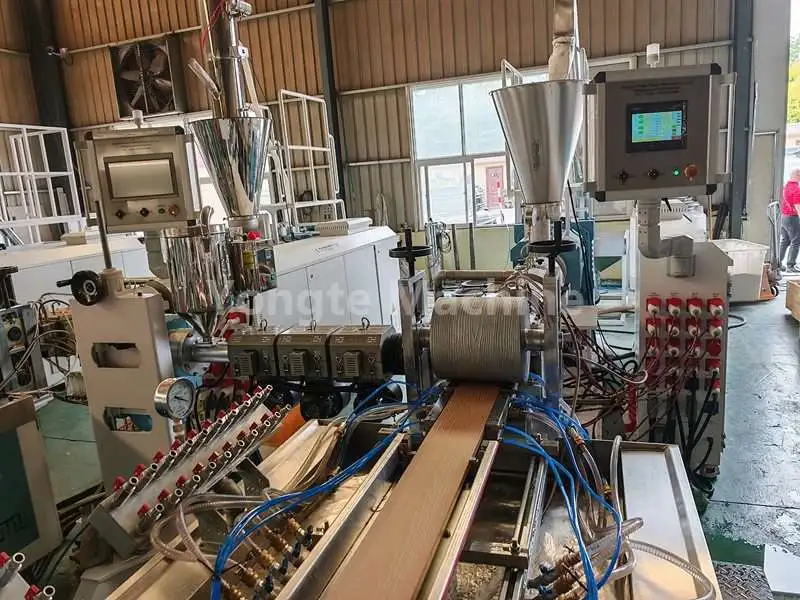
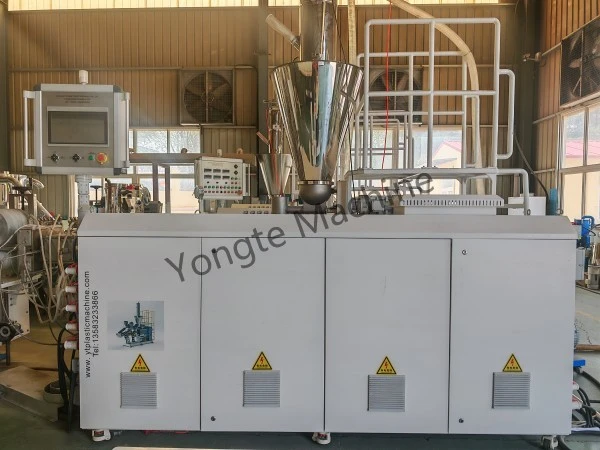
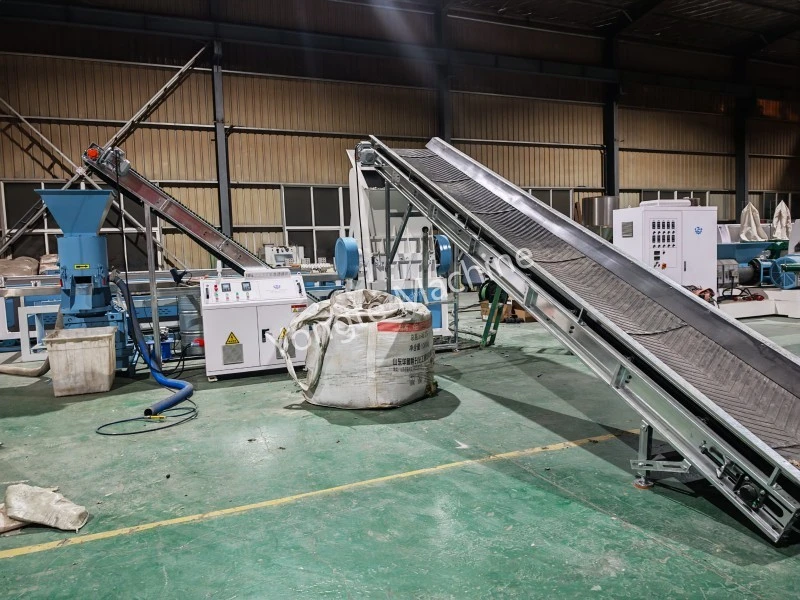
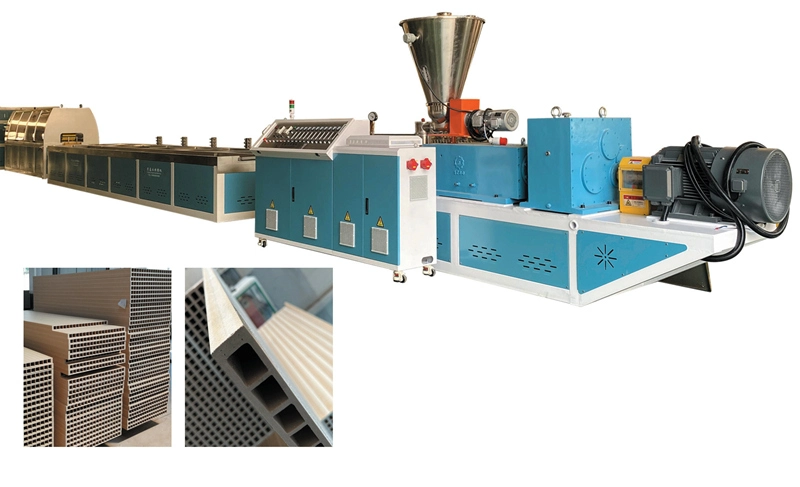
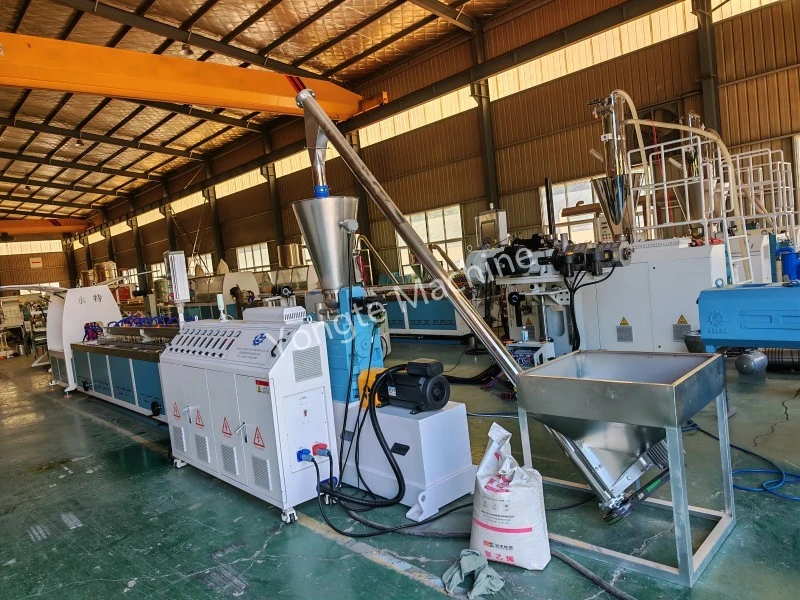
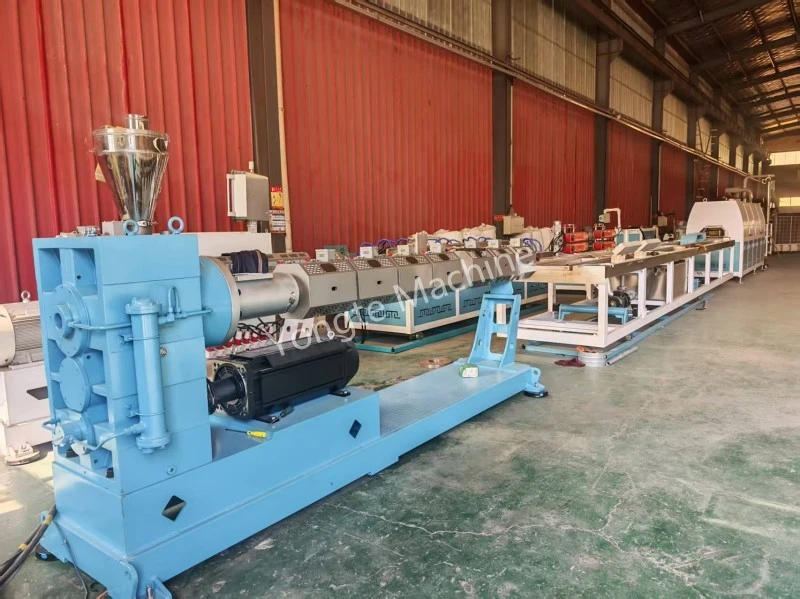
Yongte supply turnkey WPC door production line including wpc door panel and frame extrusion and surface finishing equipment. the final door quality and cost is not only related to the production formulation and processing, but also related to the surface finishing treatment. Below are the most common surface treatment process.
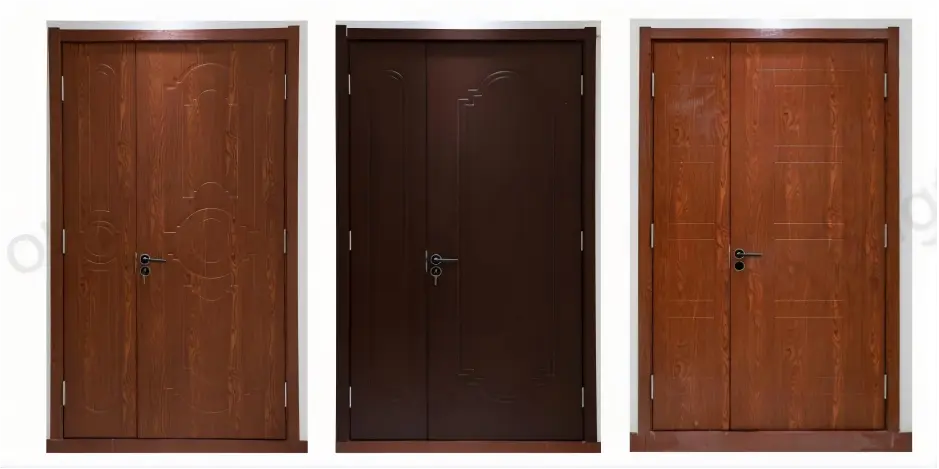
1. Thermal transfer printing (most commonly used and cost-effective)
· Method: A hot transfer film is placed on the door surface, and under high temperature and pressure, the wood grain or pattern is thermally transferred onto the substrate.
· Advantages: Low production cost, high processing efficiency, fast production speed, and a wide selection of patterns and styles.
· Disadvantages: The texture is relatively average, the surface is less wear-resistant, and it is prone to scratching.
· Suitable for: domestic engineering projects, low-end export products, and large-volume standardized orders.
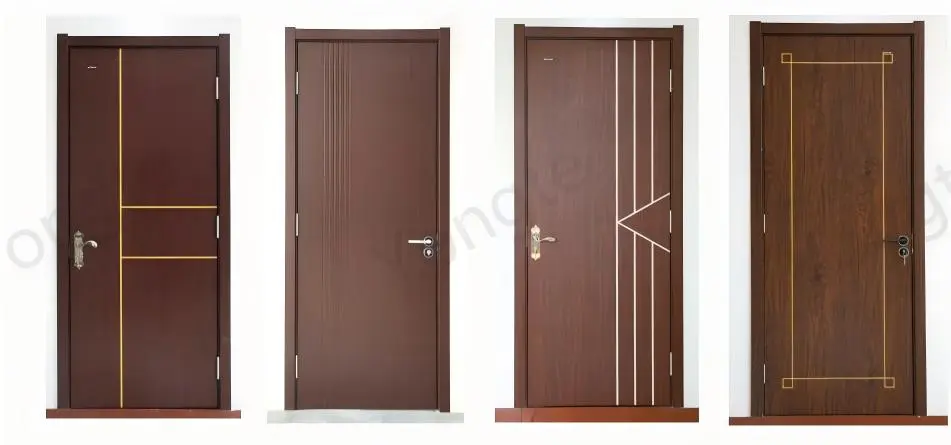
2. PVC film / PVC adhesive
· Method: A layer of PVC film is attached to the door surface using a specialized adhesive to form the decorative layer.
· Advantages: The wood grain has a strong three-dimensional effect, the surface is comfortable to the touch, and the price is relatively moderate.
· Disadvantages: Sensitive to high temperatures, average weather resistance, and may be affected in high-temperature or high-humidity environments.
· Suitable for: mid-range home decoration, mainstream market demand in the Middle East and Southeast Asia.
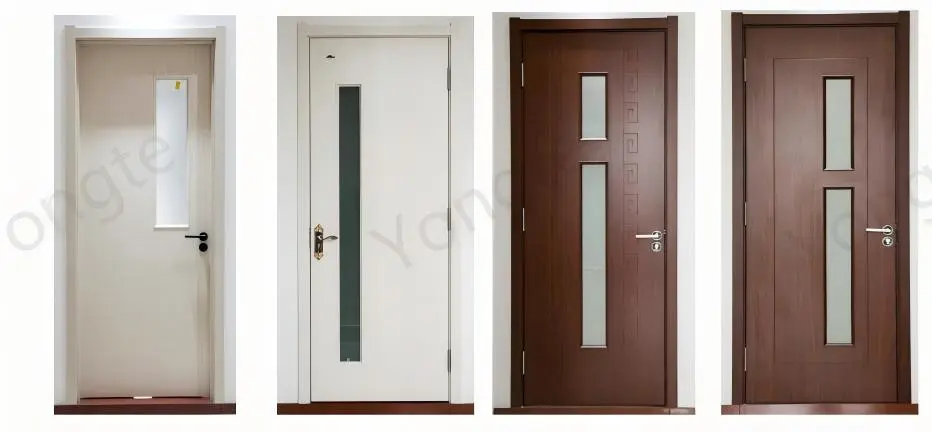
3. Vacuum forming (vacuum suction molding)
· Method: A film is placed on the molded door panel, and through vacuum negative pressure adsorption, it is tightly attached to the door surface to form a uniform covering.
· Advantages: Can be adapted to door panels of different shapes, with strong wrapping ability and no seams.
· Disadvantages: The process is relatively complex, the production efficiency is moderate, and the cost is higher than film covering.
· Suitable for: European-style door styles, modern minimalist European doors, mid-to-high-end interior doors.
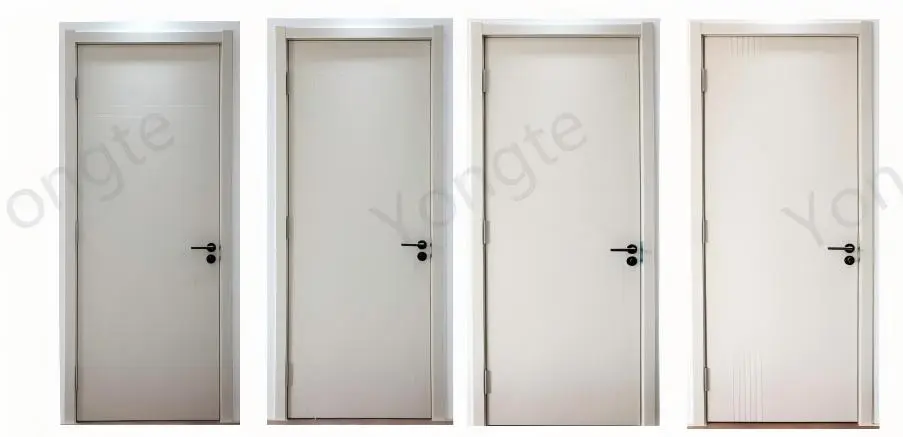
4. Paint baking/spraying
· Method: Primer and topcoat are directly applied to the wood-plastic substrate, and the surface is formed through high-temperature baking or spraying.
· Advantages: The finished product has a high-end texture, the color can be customized, and the visual effect is outstanding.
· Disadvantages: High comprehensive cost, long production cycle, and high requirements for the workshop environment and process.
· Suitable for: high-end custom doors, hotel engineering projects, and high-quality home decoration.
5. Co-extruded surface layer (one-piece co-extrusion)
· Method: The surface layer and the door body substrate are extruded simultaneously during the production process, forming an integrated structure.
· Advantages: The surface layer is durable, not easy to peel or delaminate, and has excellent weather resistance.
· Disadvantages: High equipment investment cost, limited choice of colors and patterns.
· Suitable for: high-end export products, wood doors requiring high durability, outdoor or balcony doors.
6. PET film/high-gloss film (popular in recent years)
· Method: High-quality PET film is used to cover the door surface, providing a smooth and high-gloss effect.
· Advantages: Wear-resistant, anti-yellowing, high-grade in texture, and easy to clean and maintain.
· Disadvantages: The film itself is expensive, leading to higher overall costs.
· Ideal for: high-end home decoration, modern minimalist style, and European and American export markets.
7. Solid wood veneer / engineered wood veneer
· Method: Real wood veneer is attached to the door surface, followed by multiple layers of paint finishing.
· Advantages: The texture and visual effect are very close to real solid wood, with a natural and high-end appearance.
· Disadvantages: High cost, complex manufacturing process, and high technical requirements.
· Suitable for: luxury villas, high-end clubs, and places that require a solid wood door effect.
Related News
- How to solve the problems of abnormal noise and excessive vibration in WPC extruders
- Is a WPC Machine the Key to Sustainable Wood-Plastic Composite Manufacturing and Higher Production Efficiency
- How Can an HDPE Board Extrusion Machine Revolutionize Your Plastic Manufacturing Process
- How Can the ABS Profile Extrusion Line Revolutionize Plastic Profile Manufacturing
- How Does a WPC Machine Turn Mixed Waste Into High-Value Profiles?
- How rubber soaker hose used for irrigation?
Leave me a message