Is a WPC Machine the Key to Sustainable Wood-Plastic Composite Manufacturing and Higher Production Efficiency
Article Summary: A WPC Machine (Wood Plastic Composite Machine) is a specialized production system designed to manufacture durable, eco-friendly composite materials by combining wood fibers and thermoplastics. This article explores how a modern WPC Machine works, its core components, applications, advantages, technical configurations, and why manufacturers worldwide rely on solutions from Yongte WPC Machine solutions.
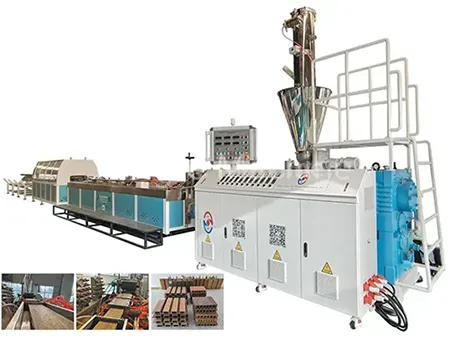
Table of Contents
- Introduction to WPC Machine Technology
- What is a WPC Machine?
- How a WPC Machine Works
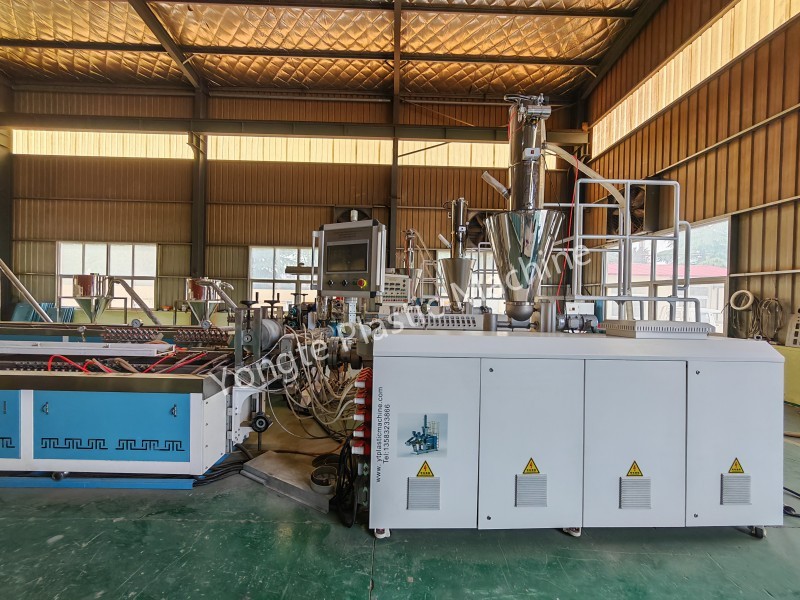
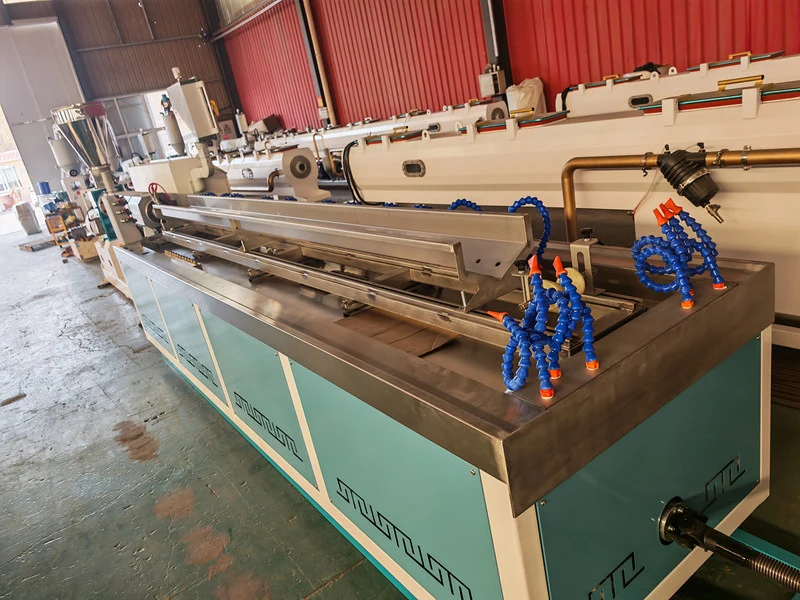
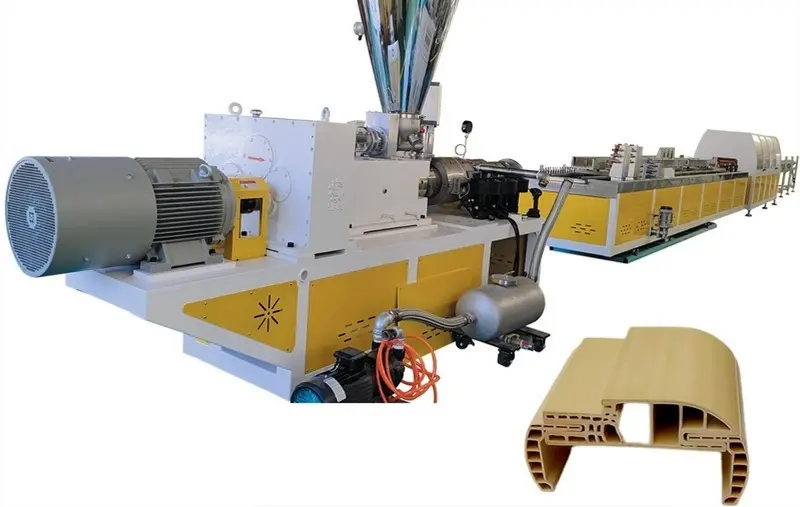
- Core Components of a WPC Machine Line
- Types of WPC Machines and Production Lines
- Advantages of Using WPC Machine Systems
- Applications of WPC Products
- Technical Comparison Table
- Maintenance and Operational Best Practices
- Market Trends and Industry Demand
- FAQ about WPC Machine
- Conclusion
Introduction to WPC Machine Technology
The global demand for sustainable building materials has driven rapid innovation in composite manufacturing systems. A WPC Machine plays a central role in producing Wood Plastic Composite materials that replace traditional wood in decking, fencing, doors, and outdoor structures. These machines combine polymer processing technology with wood fiber engineering, resulting in strong, weather-resistant, and eco-friendly products.
Manufacturers such as Yongte have developed advanced WPC Machine systems that integrate automation, energy efficiency, and precision control to ensure consistent product quality and reduced production costs.
What is a WPC Machine?
A WPC Machine is an industrial production line designed to manufacture Wood Plastic Composite materials by blending wood powder, plastic (such as PE, PVC, or PP), and chemical additives. The final output is a composite material that combines the natural appearance of wood with the durability of plastic.
The system typically includes mixing, extrusion, shaping, cooling, and cutting processes. The WPC Machine ensures uniform material dispersion, stable extrusion pressure, and high-quality surface finishing.
- Wood fiber preparation system
- Plastic compounding system
- Extrusion line
- Cooling and calibration units
- Cutting and stacking systems
How a WPC Machine Works
The working principle of a WPC Machine involves the controlled blending of raw materials followed by extrusion molding. The process ensures that wood fibers and thermoplastics are evenly distributed.
- Raw Material Feeding: Wood powder, plastic resin, and additives are fed into the mixer.
- Mixing and Compounding: Materials are blended at high temperature to form a uniform compound.
- Extrusion: The mixture is pushed through a screw extruder to form continuous profiles.
- Molding and Shaping: Dies shape the material into decking boards, panels, or profiles.
- Cooling: The product is cooled using water or air systems.
- Cutting and Finishing: Final products are cut into standard lengths and packaged.
Core Components of a WPC Machine Line
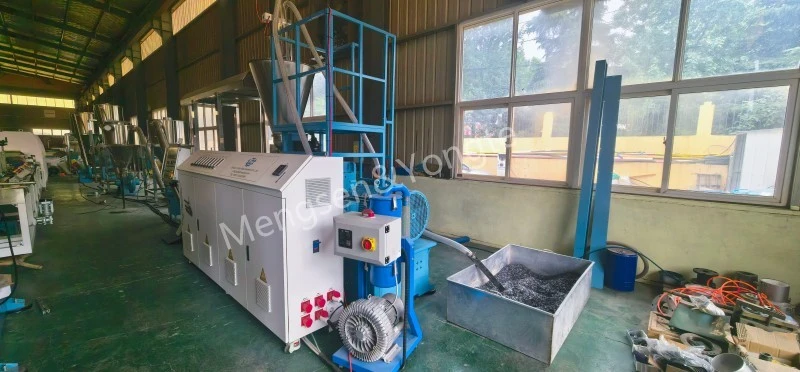
A complete WPC Machine production line consists of several essential components working in coordination.
- High-speed Mixer: Ensures uniform blending of raw materials.
- Conical Twin Screw Extruder: Provides stable extrusion pressure and high output.
- Die Head System: Shapes the composite material into desired profiles.
- Calibration Table: Ensures dimensional accuracy.
- Haul-off Machine: Pulls the extruded product at a stable speed.
- Cutting Machine: Provides precision cutting of final products.
Types of WPC Machines and Production Lines
Different WPC Machine configurations are designed for various production needs. Below are the most common types:
- WPC Decking Production Line: Used for outdoor flooring materials.
- WPC Door Panel Machine: Produces interior and exterior door panels.
- WPC Wall Panel Line: Used for decorative wall cladding.
- WPC Profile Machine: Produces customized shapes and industrial components.
Advantages of Using WPC Machine Systems
The adoption of WPC Machine technology provides significant advantages for manufacturers and end users alike.
- Eco-friendly production using recycled materials
- High durability and weather resistance
- Low maintenance requirements
- Cost-effective manufacturing process
- Wide range of product customization
- Resistance to termites, moisture, and UV damage
Compared with traditional wood processing, WPC Machine systems significantly reduce deforestation impact while improving product lifespan.
Applications of WPC Products
Products manufactured by WPC Machine systems are widely used across multiple industries.
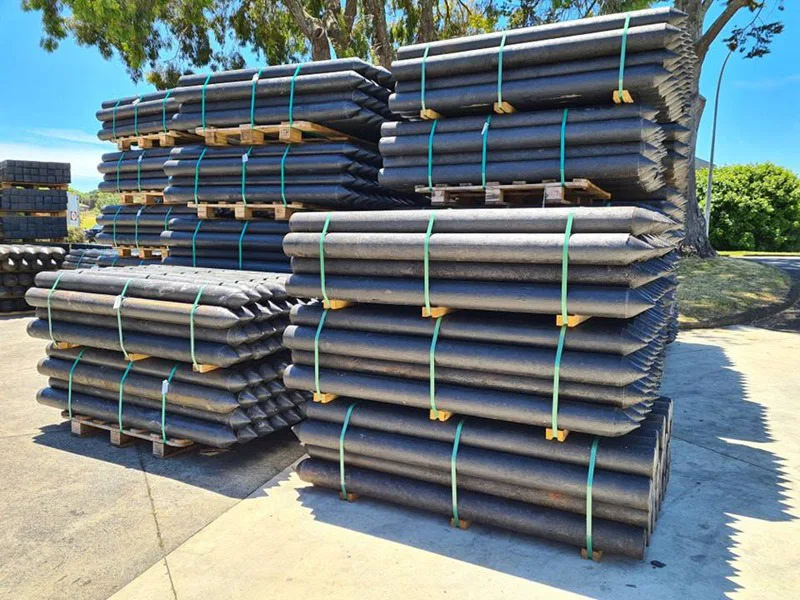
- Outdoor decking and flooring
- Garden fencing and landscaping structures
- Interior wall panels and ceilings
- Doors and window frames
- Commercial building decoration
- Public infrastructure projects
Technical Comparison Table
| Feature | Standard WPC Machine | Advanced Yongte WPC Machine |
|---|---|---|
| Production Capacity | Moderate | High Efficiency Output |
| Automation Level | Semi-automatic | Fully Automatic Control System |
| Energy Consumption | Medium | Energy-saving Design |
| Material Compatibility | Limited | Wide (PE, PVC, PP) |
| Product Consistency | Average | High Precision Output |
Maintenance and Operational Best Practices
Proper maintenance of a WPC Machine is essential for long-term performance and production stability.
- Regular lubrication of moving parts
- Cleaning of screw and barrel systems
- Monitoring temperature control systems
- Checking electrical components periodically
- Replacing worn-out die components
Operators should also ensure that raw materials are properly dried before feeding into the system to avoid production defects.
Market Trends and Industry Demand
The global WPC market continues to expand due to increasing environmental awareness and demand for sustainable building materials. WPC Machine technology is now widely adopted in Asia, Europe, and North America.
Companies like Yongte are contributing to this growth by offering high-performance machinery that meets international manufacturing standards.
Key market drivers include:
- Growth in eco-construction projects
- Government regulations on deforestation
- Rising demand for low-maintenance materials
- Technological advancements in extrusion systems
FAQ about WPC Machine
Q1: What materials can a WPC Machine process?
A WPC Machine can process wood powder, PVC, PE, PP, and various additives to create composite materials.
Q2: Is a WPC Machine environmentally friendly?
Yes, it uses recycled materials and reduces dependence on natural wood, making it eco-friendly.
Q3: What products can be made with a WPC Machine?
Decking boards, wall panels, doors, fences, and decorative profiles.
Q4: How long does a WPC Machine last?
With proper maintenance, a high-quality WPC Machine can last over 10–15 years.
Q5: Why choose Yongte WPC Machine solutions?
Because Yongte provides advanced automation, stable performance, and customizable production lines for global clients.
Conclusion
The WPC Machine has become a cornerstone of modern sustainable manufacturing, enabling industries to produce durable, eco-friendly, and cost-effective composite materials. With increasing global demand for green construction solutions, investing in advanced production systems is more important than ever.
Manufacturers seeking high efficiency, stability, and long-term production value often choose solutions from Yongte, a trusted name in WPC Machine technology and innovation.
If you are planning to upgrade your production line or enter the WPC industry, now is the ideal time to explore advanced systems and optimize your manufacturing capabilities. For more detailed specifications, customization options, and professional consultation, feel free to contact us to get expert support and tailored solutions for your business needs.
Related News
- How to solve the problems of abnormal noise and excessive vibration in WPC extruders
- How Can an HDPE Board Extrusion Machine Revolutionize Your Plastic Manufacturing Process
- How Can the ABS Profile Extrusion Line Revolutionize Plastic Profile Manufacturing
- How Does a WPC Machine Turn Mixed Waste Into High-Value Profiles?
- What Surface Treatment Can Be Applied for WPC Door?
- How rubber soaker hose used for irrigation?
Leave me a message