How to solve the problems of abnormal noise and excessive vibration in WPC extruders
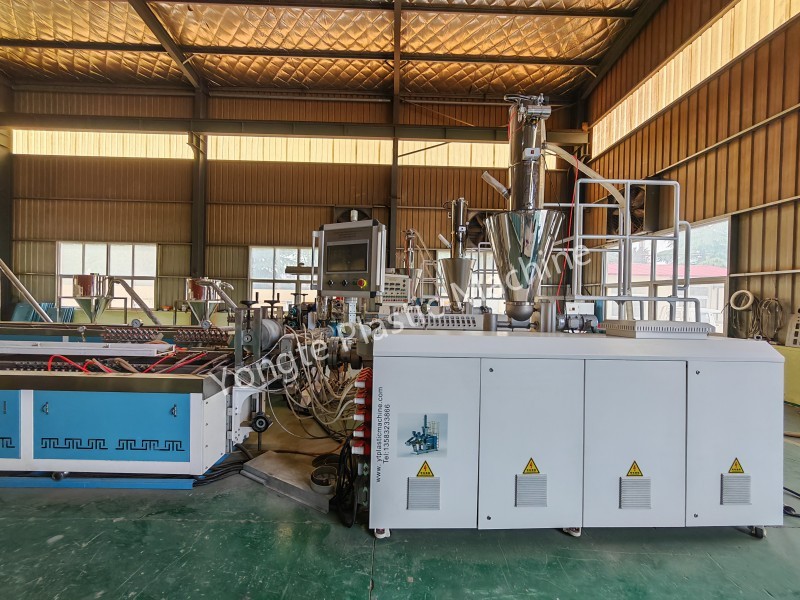
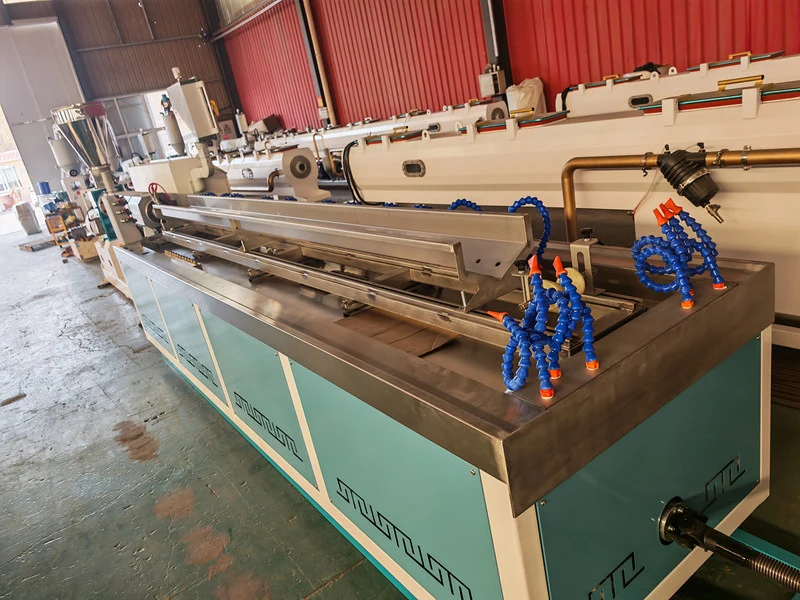
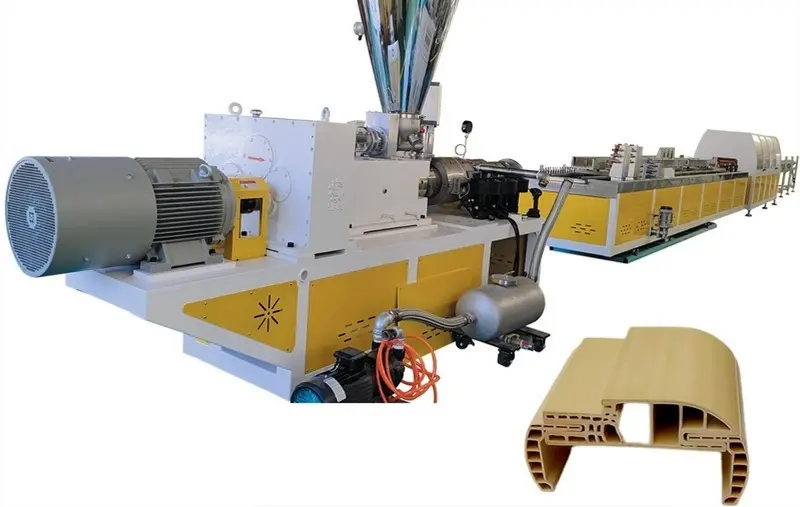
Troubleshooting and Solution of Abnormal Noise and Excessive Vibration of WPC Conical Twin-Screw Extruder
Abstract
Abnormal operating noise and excessive vibration are common mechanical faults of wood-plastic composite (WPC) conical twin-screw extruders during production. Such failures will not only reduce product molding quality and production efficiency, but also accelerate the wear of core components such as screws and barrels, increase equipment maintenance costs, and even cause unplanned downtime in severe cases. Based on years of on-site service and equipment maintenance experience, professional engineers from Yongte have summarized targeted fault inspection methods and effective solutions to help enterprises eliminate hidden dangers and ensure the stable and long-term operation of extruding equipment.
1. Raw Material Related Failures
Fault Cause
Excessive moisture content or foreign impurities inside WPC raw materials are the primary inducements of abnormal impact noise. Damp raw materials cannot be plasticized evenly in the extrusion cavity; water vapor generated by high temperature will cause instantaneous pressure fluctuation inside the barrel. In addition, hard impurities mixed in raw materials will continuously collide with screws and the inner wall of the barrel during operation, resulting in periodic impact noise and slight equipment vibration.
Solutions
- Configure professional drying equipment to pre-treat raw materials, strictly control the moisture content of materials within the process specified range before feeding;
- Add filtering and screening devices at the feeding port to block granular hard impurities such as metal scraps and gravel;
- Regularly clean the feeding system to avoid deteriorated materials from mixing into the production raw materials.
2. Transmission System Malfunction
Fault Cause
The coupling is a key component connecting the motor and the gearbox of the extruder. Long-term high-load operation will lead to loose coupling fasteners or excessive coaxiality deviation between the driving end and driven end. Once the coaxiality error exceeds 0.02 mm, the transmission system will generate eccentric friction and periodic resonance, which directly leads to intense vibration of the whole equipment and continuous friction noise during operation.
Solutions
- Cut off the power and stop the machine for safety inspection, tighten all fixing bolts of the coupling comprehensively;
- Use a precision dial indicator to calibrate the coaxiality of the coupling, control the overall error within the standard tolerance of ≤0.02 mm;
- Formulate a regular inspection mechanism, and check the tightness and coaxiality of the coupling every week for newly commissioned or high-load running equipment.
3. Temperature Control System Abnormity
Fault Cause
Unreasonable temperature setting of each heating zone or damage to supporting accessories will cause low sectional temperature of the barrel. Under low-temperature conditions, WPC materials cannot reach the optimal plasticizing state, resulting in increased extrusion resistance and sudden fluctuation of equipment operating load. The unstable load will further trigger vibration of the transmission structure and produce harsh running noise. The main damaged accessories include failed heating rings and temperature sensors with inaccurate detection data.
Solutions
- Inspect the working status of heating rings and temperature sensors of all heating sections one by one, replace damaged and aging accessories in a timely manner;
- Recall and restore the factory standard temperature curve of the extruder, and adjust the temperature parameters of each section according to the formula of wood-plastic materials;
- Monitor the real-time temperature data of the barrel through the control system to prevent local overheating or low temperature.
4. Mechanical Component Wear & Failure
Fault Cause
Core wearing parts including screws, barrels and support bearings are vulnerable to long-term friction with wood-plastic materials. Severe abrasion of screw threads and the inner wall of the barrel will affect material conveying and plasticizing balance; worn or damaged bearings will cause unstable rotation of the screw shaft, accompanied by metal friction noise and violent vibration. This type of fault belongs to mechanical aging failure and cannot be eliminated by simple parameter adjustment.
Solutions
- Completely shut down the equipment and disassemble the extrusion module to conduct a comprehensive dimensional inspection and wear assessment of screws and barrels;
- Detect the operating clearance and damping of bearings inside the gearbox and bearing seat, replace faulty bearings;
- It is recommended to select original factory matching parts for replacement of damaged core components to ensure assembly accuracy and equipment operation stability, and extend the service life of the extruder.
Conclusion
The abnormal noise and vibration of the WPC conical twin-screw extruder are affected by multiple factors such as raw materials, transmission system, temperature control system and mechanical components. In the daily maintenance process, enterprises should follow the inspection sequence of "raw material - temperature - transmission - mechanical parts" for troubleshooting. Daily standardized operation and periodic maintenance are the key to reducing equipment faults. If the fault cannot be eliminated after self-inspection, please contact professional technical engineers for on-site debugging to avoid secondary damage to the equipment caused by blind disassembly.
Released by: Yongte Professional Engineering Team
Related News
- Is a WPC Machine the Key to Sustainable Wood-Plastic Composite Manufacturing and Higher Production Efficiency
- How Can an HDPE Board Extrusion Machine Revolutionize Your Plastic Manufacturing Process
- How Can the ABS Profile Extrusion Line Revolutionize Plastic Profile Manufacturing
- How Does a WPC Machine Turn Mixed Waste Into High-Value Profiles?
- What Surface Treatment Can Be Applied for WPC Door?
- How rubber soaker hose used for irrigation?
Leave me a message