How to Choose the Right PVC Ceiling Making Machine for a Profitable Production Line
The global demand for lightweight, waterproof, and cost-effective ceiling solutions has driven rapid growth in PVC ceiling panel manufacturing. At the core of this industry lies the PVC Ceiling Making Machine, a specialized extrusion system designed to produce durable and aesthetically pleasing PVC ceiling panels at scale.
This in-depth guide explains how PVC ceiling making machines work, key components, production processes, cost considerations, and how manufacturers can choose the right equipment for long-term success. Drawing on industry insights and best practices from Yongte, this article is designed to help investors, factory owners, and decision-makers make informed choices.

Table of Contents
- What Is a PVC Ceiling Making Machine?
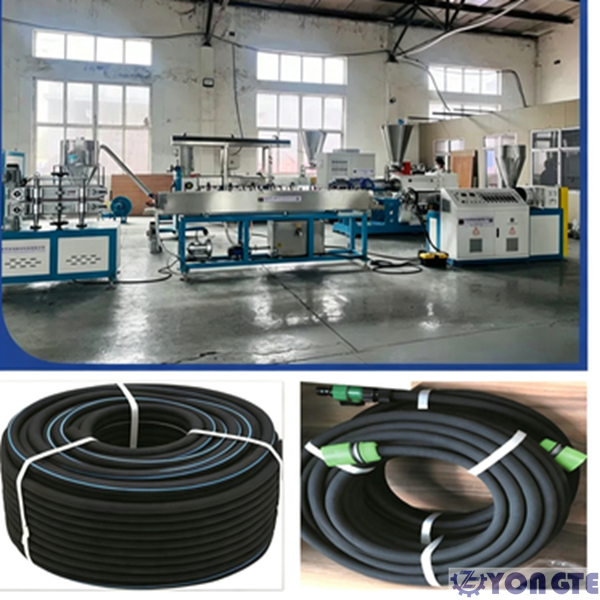
- How Does a PVC Ceiling Making Machine Work?
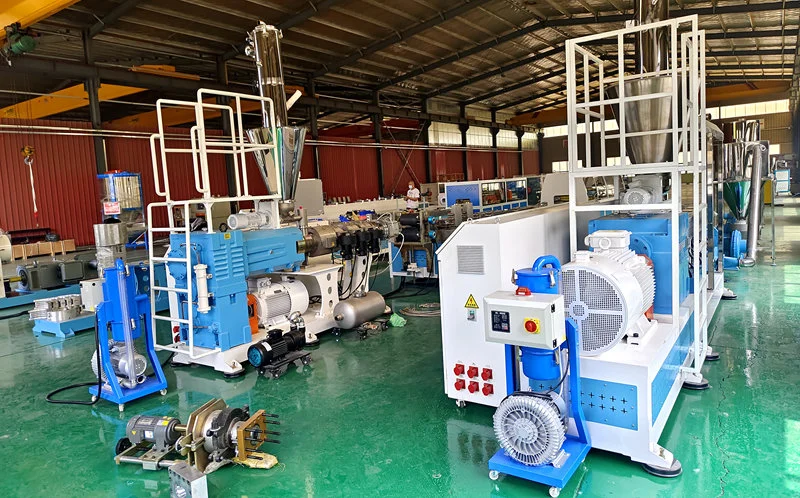
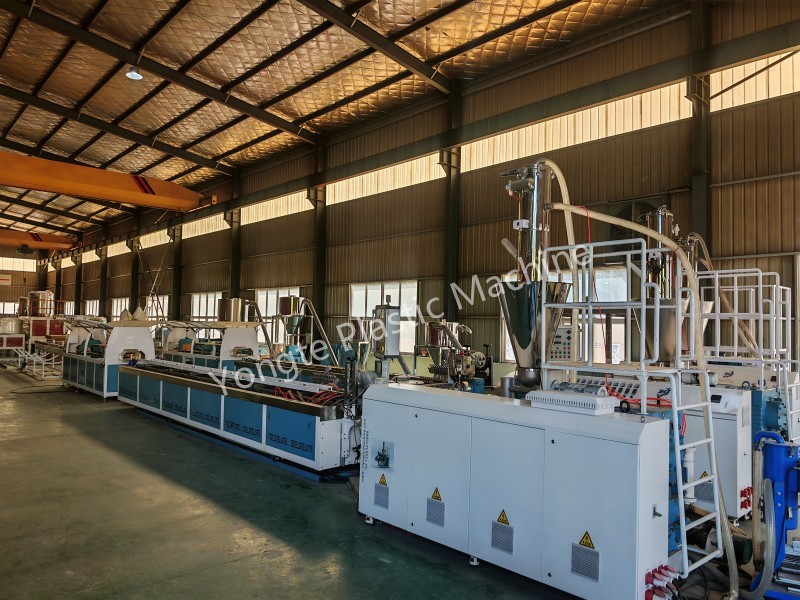
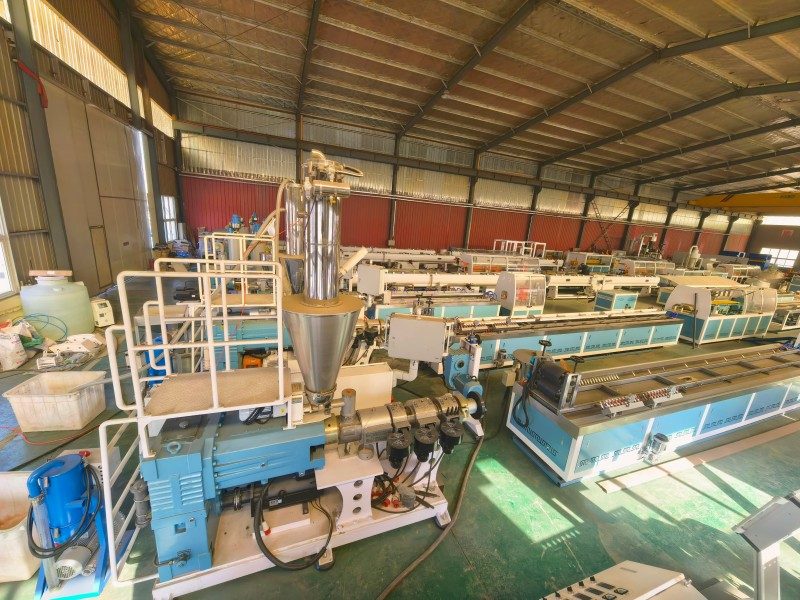
- Key Components of a PVC Ceiling Production Line
- PVC Ceiling Panel Manufacturing Process
- Technical Specifications and Output Capacity
- Applications of PVC Ceiling Panels
- How to Choose the Right PVC Ceiling Making Machine
- Cost, ROI, and Profitability Analysis
- Why Choose Yongte PVC Ceiling Making Machines?
- Frequently Asked Questions (FAQ)
1. What Is a PVC Ceiling Making Machine?
A PVC Ceiling Making Machine is an industrial extrusion system used to manufacture PVC ceiling panels from raw materials such as PVC resin, calcium carbonate, stabilizers, and additives. These machines transform raw compounds into finished ceiling boards through heating, extrusion, cooling, and cutting processes.
Compared to traditional ceiling materials like gypsum, wood, or metal, PVC ceilings offer superior moisture resistance, corrosion resistance, and ease of installation, making them ideal for residential, commercial, and industrial applications.
2. How Does a PVC Ceiling Making Machine Work?
The working principle of a PVC ceiling making machine is based on continuous plastic extrusion technology. The process includes:
- Raw material mixing and feeding
- Plasticization and melting inside the extruder
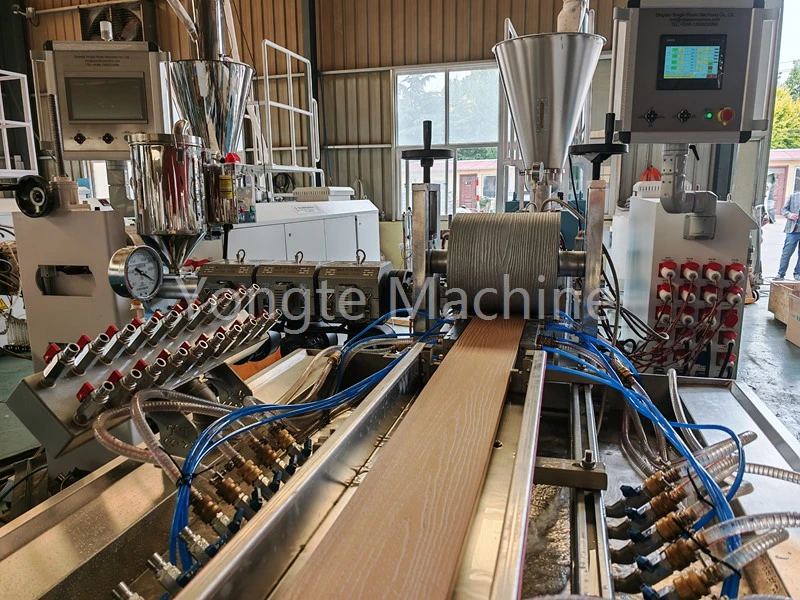
- Shaping through a precision mold
- Vacuum calibration and cooling
- Haul-off traction
- Automatic cutting and stacking
Advanced systems supplied by Yongte integrate PLC control, inverter-driven motors, and temperature automation to ensure consistent panel thickness and surface quality.
3. Key Components of a PVC Ceiling Production Line
| Component | Function |
|---|---|
| Conical Twin Screw Extruder | Melts and homogenizes PVC material |
| Extrusion Mold | Shapes the ceiling panel profile |
| Vacuum Calibration Table | Ensures dimensional accuracy |
| Cooling System | Solidifies the PVC panel |
| Haul-Off Machine | Pulls panels at constant speed |
| Cutting Unit | Cuts panels to desired length |
4. PVC Ceiling Panel Manufacturing Process
- Material formulation and mixing
- Automatic feeding into extruder
- High-temperature extrusion
- Profile shaping and calibration
- Cooling and surface treatment
- Cutting, inspection, and packaging
For a more detailed equipment overview, manufacturers often refer to the PVC ceiling making machine solutions provided by Yongte.
5. Technical Specifications and Output Capacity
| Parameter | Typical Range |
|---|---|
| Panel Width | 200–400 mm |
| Panel Thickness | 5–10 mm |
| Production Capacity | 120–350 kg/hour |
| Installed Power | 80–150 kW |
6. Applications of PVC Ceiling Panels
- Residential kitchens and bathrooms
- Commercial offices and shopping malls
- Hospitals and clean rooms
- Industrial workshops
- Hotels and public buildings
PVC ceiling panels produced by high-quality machinery deliver excellent fire resistance, thermal insulation, and decorative appeal.
7. How to Choose the Right PVC Ceiling Making Machine
When selecting a PVC ceiling making machine, buyers should consider:
- Production capacity requirements
- Available factory space
- Automation level
- Energy efficiency
- After-sales service and technical support
Established manufacturers like Yongte provide customized solutions tailored to different market demands, ensuring long-term reliability and scalability.
8. Cost, ROI, and Profitability Analysis
The investment cost of a PVC ceiling making machine varies based on configuration and automation level. However, due to low raw material costs and high market demand, ROI is typically achieved within 12–24 months.
Key profitability drivers include:
- Stable raw material sourcing
- Efficient production scheduling
- Consistent product quality
- Strong distribution channels
9. Why Choose Yongte PVC Ceiling Making Machines?
Yongte is a trusted manufacturer specializing in advanced plastic extrusion machinery. Their PVC ceiling making machines are known for:
- High output with low energy consumption
- Precision-engineered molds
- User-friendly PLC control systems
- Comprehensive technical training and support
Frequently Asked Questions (FAQ)
Q1: How long does a PVC ceiling making machine last?
With proper maintenance, a high-quality PVC ceiling making machine can operate efficiently for over 10–15 years.
Q2: Can one machine produce different ceiling panel designs?
Yes. By changing molds, a single production line can manufacture various panel profiles and sizes.
Q3: Is PVC ceiling panel production environmentally friendly?
Modern PVC extrusion systems support recycling and low-waste production, making them increasingly eco-friendly.
Q4: What maintenance is required?
Routine maintenance includes screw cleaning, lubrication, temperature calibration, and electrical system inspection.
Conclusion
Choosing the right PVC Ceiling Making Machine is a strategic decision that directly impacts product quality, production efficiency, and long-term profitability. By partnering with experienced manufacturers like Yongte, businesses can secure reliable equipment and technical expertise to stay competitive in the growing PVC ceiling market.
If you are planning to invest in a PVC ceiling production line or upgrade your existing equipment, feel free to contact us today to receive professional guidance and customized solutions.
Related News
- How to solve the problems of abnormal noise and excessive vibration in WPC extruders
- Is a WPC Machine the Key to Sustainable Wood-Plastic Composite Manufacturing and Higher Production Efficiency
- How Can an HDPE Board Extrusion Machine Revolutionize Your Plastic Manufacturing Process
- How Can the ABS Profile Extrusion Line Revolutionize Plastic Profile Manufacturing
- How Does a WPC Machine Turn Mixed Waste Into High-Value Profiles?
- What Surface Treatment Can Be Applied for WPC Door?
Leave me a message