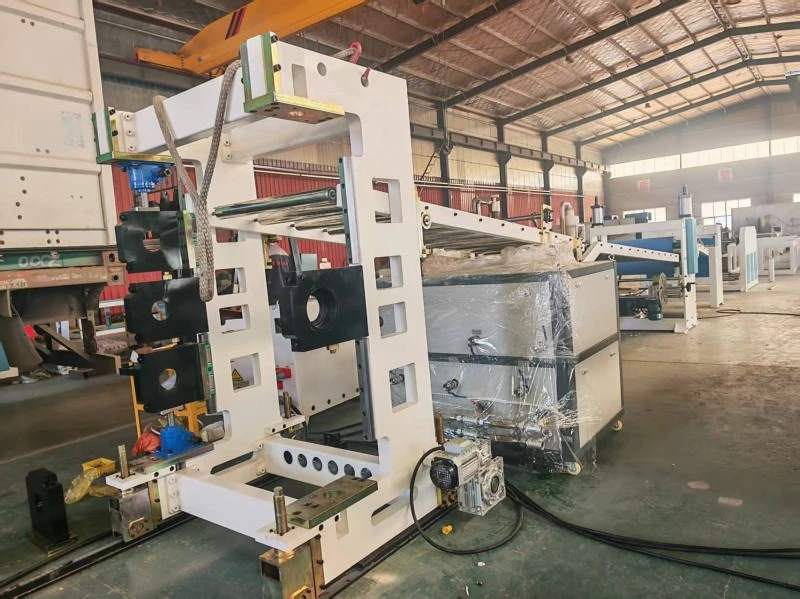
Application for Rubber Foamed Water-Permeable Pipes
Application Fields for Rubber Foamed Water-Permeable Pipes
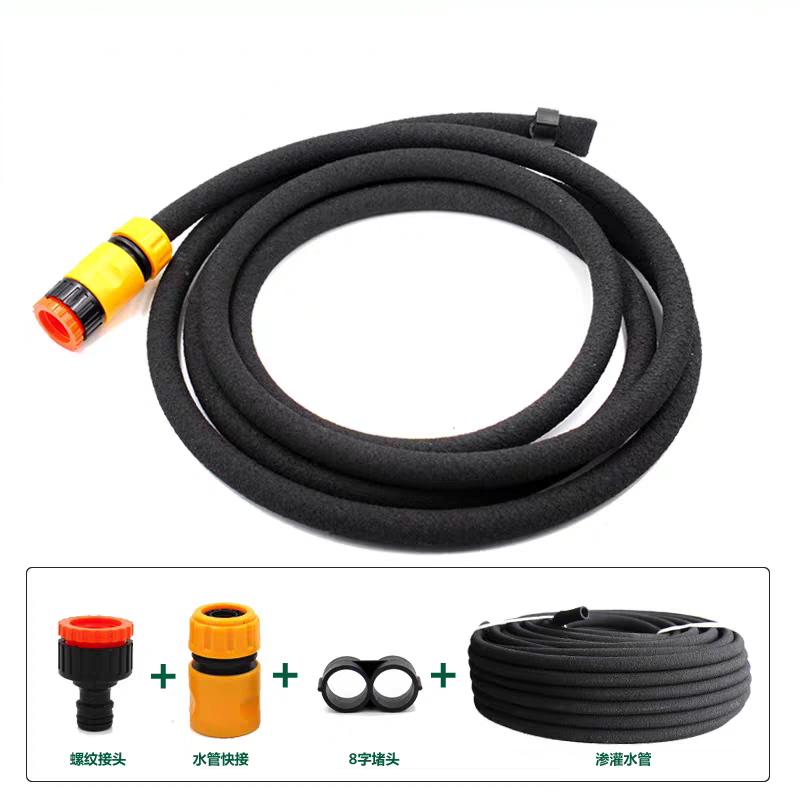
The rubber foamed Water-Permeable Pipe utilizes a chemical foaming system during the extrusion molding process to create a continuous open-pore structure. It exhibits excellent overall flexibility, allowing it to be flexibly bent and laid according to site conditions, while also possessing superior compressive rebound properties—enabling it to return to its original shape and maintain unobstructed pore channels under pressure. Additionally, the material is resistant to acids, alkalis, and corrosion, ensuring long-term stable service. Its drainage mechanism combines active water infiltration with water collection, incorporating a back-filtering function to effectively divert and drain water retained within the soil mass. Unlike PVC blind pipes or steel wire drainage pipes, this product offers the distinct advantage of high elasticity; it is less prone to fracture under slight soil settlement and is unlikely to flatten or clog its pores under compression, thereby guaranteeing consistently stable drainage performance.
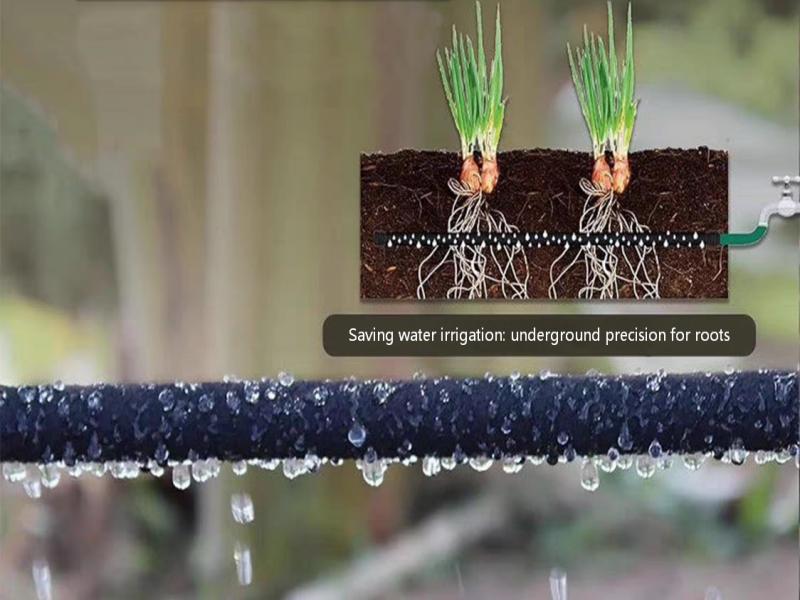
In which specific engineering scenarios and construction domains can rubber foamed drainage pipes be effectively applied? And in practical municipal, transportation, and underground engineering projects, what specific drainage requirements can they meet? Below, we will address the typical application scenarios of rubber foamed drainage pipes by considering the specific needs of different engineering fields:
I. Municipal Engineering
1. Road subgrade drainage is primarily applied in scenarios such as highways, municipal arterial roads, and parking lots. By installing drainage pipes beneath the subgrade, along the road shoulders, or on slope surfaces, this system effectively eliminates water accumulation within the subgrade. It prevents prolonged moisture infiltration that could lead to subgrade softening, thereby reducing the occurrence of pavement distresses such as rutting and settlement, and ensuring the structural stability and durability of the road pavement.
2. Underground Pipeline/Tunnel Drainage System: Suitable for underground engineering projects such as integrated utility tunnels, urban tunnels, and pedestrian underpasses. The seepage pipes are installed behind the lining to guide and drain seepage from the surrounding rock, collect water from fractures in the surrounding rock, reduce the external hydraulic pressure acting on the lining, prevent lining seepage caused by accumulated hydraulic pressure, and thereby enhance the structural safety and waterproof reliability of underground facilities.
3. Sponge city concepts can be applied to the water collection and drainage of sponge city facilities—including rain gardens, bio-retention ponds, and the underlying layers of permeable pavements. By utilizing infiltration pipes to collect rainwater, this approach guides the water either to infiltrate into the soil or to discharge into rainwater wells, thereby achieving effective rainwater storage and regulation alongside orderly discharge. This enhances a city's inherent capacity for rainwater retention, infiltration, and purification.
II. Landscaping, Greening, and Ecological Engineering
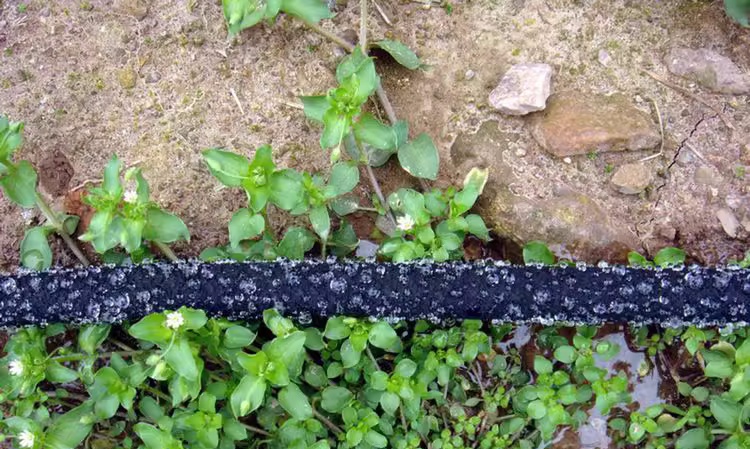
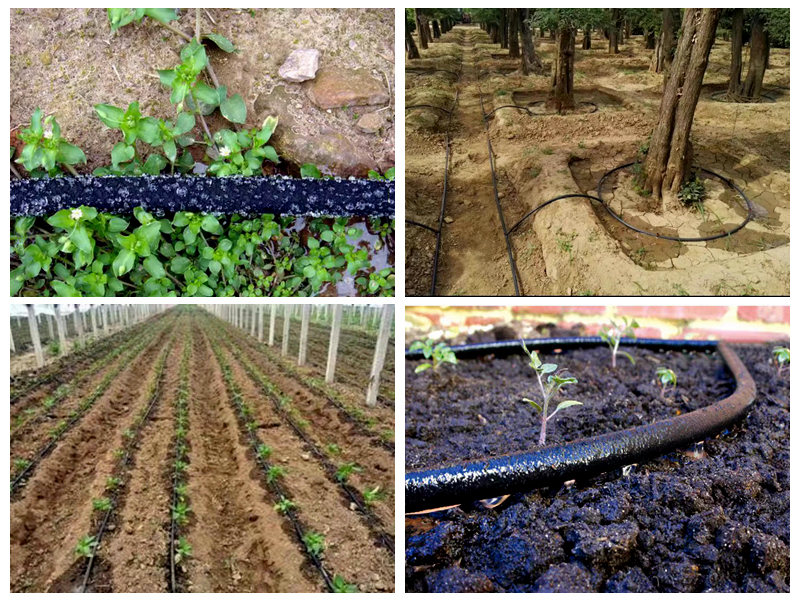
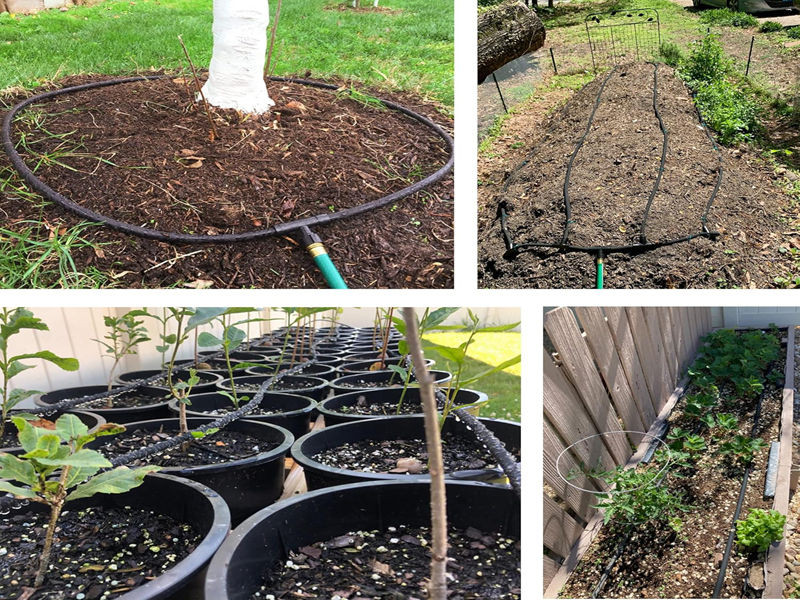
1. In large-scale green spaces—such as parks and golf courses—rubber foam permeable pipes are frequently employed for underground drainage in lawns. By being installed beneath the turf, these pipes enable timely drainage of excess water accumulated in low-lying areas, preventing prolonged waterlogging that could lead to oxygen deprivation and root rot in lawn vegetation, thereby sustaining healthy turf growth. Additionally, these pipes can be repurposed as infiltration pipes: under low-pressure water supply conditions, water slowly permeates from the micro-pores in the pipe walls into the surrounding soil, achieving uniform irrigation. Thus, a single pipe serves dual purposes—drainage and infiltration—enhancing both the operational flexibility of green space maintenance and the efficiency of water resource utilization.
2. In slope ecological protection projects, rubber foam drainage pipes are deployed along mountain slopes and behind retaining walls to play a critical role in drainage and pressure reduction. By expelling pore water from the slope interior, these pipes effectively reduce the pore water pressure within the slope soil, thereby decreasing the soil's self-weight and sliding force, which helps prevent geological hazards such as landslides. In practical applications, geotextiles are commonly installed on the outer side of the drainage pipes as a back-filtering protection measure. This prevents soil particles from entering the pipes with the flowing water, which could otherwise clog the micropores, ensuring that the drainage channels remain unobstructed over extended periods and enhancing the overall stability of the slope ecological protection system.
3. In nurseries, orchards, and seedling bases, rubber foam infiltration pipes can be utilized for drainage and infiltration irrigation of fruit tree root zones. During the rainy season, these pipes promptly discharge excess water around the root system, thereby preventing waterlogging damage; during the dry season, low-pressure water supply enables water to slowly infiltrate the root zone soil, ensuring adequate moisture supply for fruit tree growth. This combined approach of drainage and infiltration irrigation is particularly suitable for fruit tree species sensitive to waterlogging, as it helps optimize the soil moisture conditions in the root zone and promotes healthy growth of the trees.
III. Water Conservancy and Dike Engineering
1. In hydraulic engineering projects such as levees, dams, and river embankments, rubber foam drainage pipes are primarily employed for internal drainage within dam and levee structures. By installing these drainage pipes along the slope or behind the anti-seepage layer, they effectively collect and discharge seepage water from within the dam or levee, thereby reducing the uplift pressure acting on the structure. This approach prevents safety hazards—such as piping—caused by concentrated seepage flow, ensuring the overall stability and operational safety of the embankments and dams.
2. For water feature projects—including canals, artificial lakes, and landscape pools—rubber foam drainage pipes can be installed beneath the anti-seepage layers of the pool bottom and pool walls. Their primary function is to drain groundwater beneath the anti-seepage layers, thereby counteracting the buoyant force exerted by the groundwater on the pool structure and preventing the pool from rising due to excessive buoyant force. Additionally, these pipes can collect accumulated water resulting from localized damage to the anti-seepage layers, thereby mitigating the adverse effects of prolonged water accumulation on the structure.
IV. Construction Projects
1. Basement slab and external wall blind drains: In construction projects, rubber foam permeable pipes can be employed for blind drain systems in basement slabs and external wall areas. When installed on the bedding layer of the basement slab and on the outer side of the external walls, these pipes effectively collect groundwater seepage from the surrounding soil, channeling the water through the blind drain system to a collection well for centralized discharge. This approach significantly reduces the hydraulic pressure exerted by groundwater on the waterproof membrane, thereby lowering the risk of the waterproof layer failing under prolonged pressure and enhancing the overall waterproof performance of the basement.
2. Roof greening (roof gardens): In roof greening projects such as roof gardens, rubber foam drainage pipes can be installed within the drainage layer beneath the planting boards. Their function is to promptly discharge excess water from the soil, thereby preventing plant root systems from suffering from hypoxia and decay due to prolonged immersion in water. These pipes ensure that plants receive adequate water while effectively improving root zone drainage conditions; consequently, they can, to some extent, replace conventional partial drainage boards, simplify the structural layers, and enhance both the drainage efficiency and service life of roof greening systems.
3. Sports Fields (Football Fields, Track and Field Fields): In the construction of sports facilities such as football fields and track and field venues, rubber foam drainage pipes are commonly employed in the drainage systems of artificial turf and synthetic running tracks. Their primary function is to rapidly discharge accumulated water from the base layer following rainfall, thereby preventing prolonged water retention that could lead to slippery surfaces or damage to the base layer. Through efficient drainage, these sports fields can quickly resume use after rain, minimizing the impact of rainfall on competitive and training activities, and ensuring optimal daily operational efficiency of the facilities.
V. Mining and Geological Remediation
1. Drainage in Tailings Storage Facilities: In tailings storage facility engineering, rubber foam drainage pipes are frequently employed for dewatering within tailings dams. By embedding these drainage pipes inside the dam structure, excess water within the dam can be continuously discharged, effectively reducing the moisture content of the dam and thereby enhancing its structural stability and safety. Furthermore, these drainage pipes exhibit excellent resistance to both acidic and alkaline corrosion, enabling them to withstand the complex chemical environments—including mineral slurries and seepage water—within tailings storage facilities, ensuring consistent and reliable drainage performance over extended periods.
2. In geological hazard mitigation projects—such as those addressing landslides and unstable rock formations—rubber foam infiltration pipes can be employed for water diversion via horizontal boreholes in the deep subsurface of mountain slopes. The specific procedure involves inserting the infiltration pipe into a horizontal drainage borehole, leveraging its microporous structure to channel groundwater within the slope mass, thereby continuously reducing the pore water pressure in the soil. By mitigating the adverse effects of pore water on soil stability, this approach enhances the overall slope stability and reduces the risk of geological hazards, including landslides.
VI. Agricultural Sector
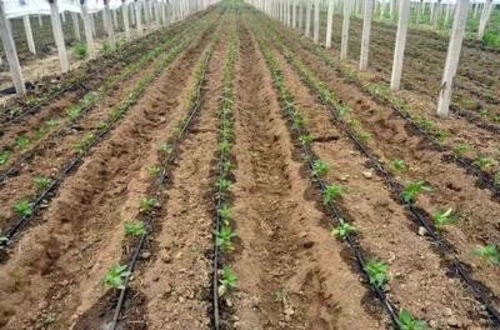
1. Underground drainage pipes in agricultural fields: In the management of low-lying farmland and saline-alkali soils, rubber foam drainage pipes are frequently employed as underground concealed pipelines for drainage purposes. By installing these pipes at a specified depth within the field, they enable the continuous collection and discharge of excess soil moisture, effectively lowering the groundwater level and optimizing the root zone growth environment. For saline-alkali soils, reducing the groundwater level helps minimize the upward migration of salts driven by evaporation, thereby ameliorating saline-alkali soils and preventing soil salinization. Additionally, these pipes can be utilized for subsurface fertigation, where water is slowly released into the soil through micro-pores in the pipe walls, facilitating both water-saving irrigation and precise soil moisture regulation.
2. In greenhouse cultivation areas, rubber foam drainage pipes can be utilized for the installation of underground drainage systems. Their primary function is to promptly discharge excess water from the soil within the greenhouse, thereby preventing prolonged soil waterlogging caused by overwatering or inadequate drainage, which could adversely affect crop root respiration and growth. Furthermore, by effectively draining shallow-layer water, these pipes help reduce salt accumulation following evaporation from the soil surface, thereby mitigating soil salinization and providing a more stable soil environment for protected agriculture.
VII. Other Special Scenarios
1. In landfill engineering, rubber foam permeable pipes can be installed either above or below the landfill liner for the collection and diversion of leachate. By installing them in appropriate locations, these pipes can collect leachate generated within the landfill mass and guide it for discharge, thereby preventing adverse effects on the liner system caused by prolonged liquid accumulation. During installation, the pipes should be encased in geotextile fabric to prevent sediment from entering the pipes and causing blockages. Additionally, it is essential to select the appropriate pipe type based on the specific environmental conditions of the landfill; in certain application scenarios, materials exhibiting resistance to microbial aging are required to ensure long-term durability.
2. In rail transit projects—such as subways and high-speed railways—rubber foam drainage pipes can be employed for groundwater drainage in subgrade and tunnel surrounding rock. By being embedded within the subgrade or along the tunnel periphery, these pipes effectively collect and discharge groundwater, thereby reducing groundwater pressure and mitigating the adverse effects of water on structural stability. Due to their superior flexibility and elasticity, rubber foam materials can accommodate soil settlement and deformation; compared to rigid plastic blind pipes, they offer greater advantages in adapting to geological deformation, thereby ensuring the long-term performance of drainage systems under complex geological conditions.
✅ Key Considerations for Model Selection Comparison
· Advantages: The material exhibits excellent elastic rebound properties, with its micropores recovering after compression; this enables it to effectively accommodate soil settlement and deformation while maintaining the continuous efficacy of drainage channels. The interconnected pore structure facilitates relatively uniform water collection and drainage, ensuring stable drainage performance. Additionally, the material is corrosion-resistant, possesses good flexibility and bendability, and is easy to handle during construction. It can also be coiled for transport and installation, thereby enhancing construction efficiency.
· Limitations: The compressive strength is lower than that of rigid plastic blind pipes; therefore, appropriate protective measures should be taken when subjected to significant external loads. During use, the product should be encased in geotextile fabric to prevent sediment from entering and clogging the drainage holes, which could compromise drainage performance. In prolonged high-temperature environments, careful selection of the material is recommended to avoid degradation of its performance characteristics.
Related News
- Advantages of Rubber Soaker Irrigation Pipes vs Traditional Irrigation Tubes
- Can Yongte Supply Turnkey Project Service for WPC decking plant?
- 200x50mm Recycled Solid Plastic Lumber Machine Tested Successfully
- Yongte WPC Column making machine with co-extrusion is successfully tested
- How can plastic film wastage be used to produce wood-plastic composite (WPC) products?
- WPC Extrusion Machine Temperature Setting
Leave me a message