Yongte Successfully Completes R&D Trial of Using Coconut Shell to make Wood-Plastic Composite WPC Decking
Successful Customized Trial for Overseas Clients
In response to customized requirements from overseas clients, our company has recently completed a successful technical trial for manufacturing high-performance wood-plastic composite (WPC) products using coconut shell as a raw material. Leveraging our self-developed wood powder milling equipment, we achieved standardized pulverization, granulation, and extrusion molding of coconut shells, officially validating the feasibility of repurposing coconut shells for WPC Decking production and expanding the range of diversified raw material applications within the WPC industry.
Technical Challenges in Coconut Shell Processing
Different from conventional wood raw materials, coconut shell features an extremely tough internal fiber structure and a high natural moisture content, which introduces multiple technical challenges throughout the entire production process during trials. In the pulverization stage, the high tenacity of coconut shell fibers increased milling resistance, resulting in a temporary drop in the processing capacity of the wood powder milling machine to 300 kg per hour. In the subsequent granulation process, the excessive residual moisture in the coconut shell powder generated large amounts of water vapor and smoke, affecting the stability of granulation molding. Furthermore, the residual moisture also caused bubbling defects on the surface of finished products during the final extrusion molding process, rendering them unable to meet qualified product standards.
Targeted Process Optimization and Technical Breakthrough
Facing technical bottlenecks in the trial processing of new materials, our technical team quickly identified the core issue—uncontrolled moisture content in coconut shell powder. We optimized the pre-processing procedure and implemented professional targeted drying treatment for the crushed coconut shell powder, effectively removing internal residual moisture and stabilizing the powder quality. Through process optimization and repeated debugging of milling, granulation, and extrusion parameters, the team ultimately resolved issues such as product bubbling, unstable granulation, and low processing efficiency.
Qualified WPC Decking Successfully Produced
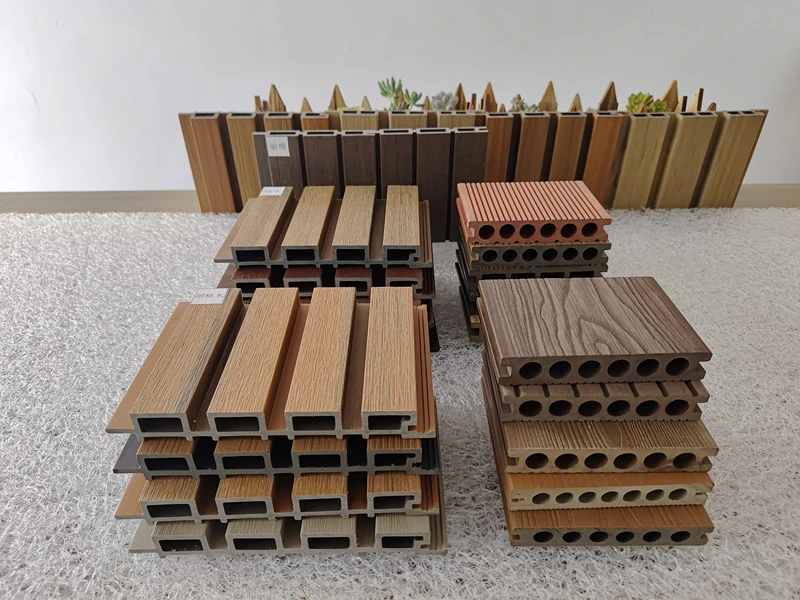
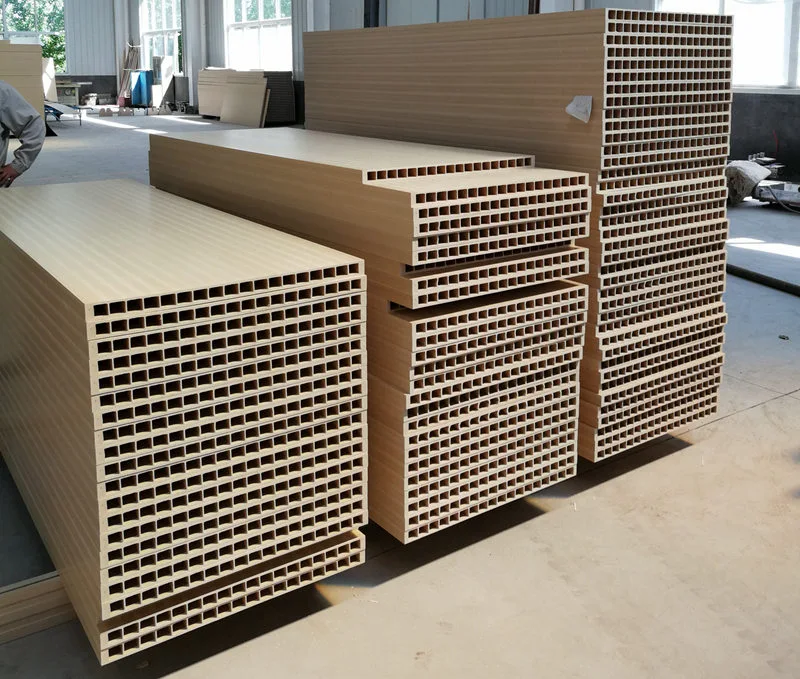
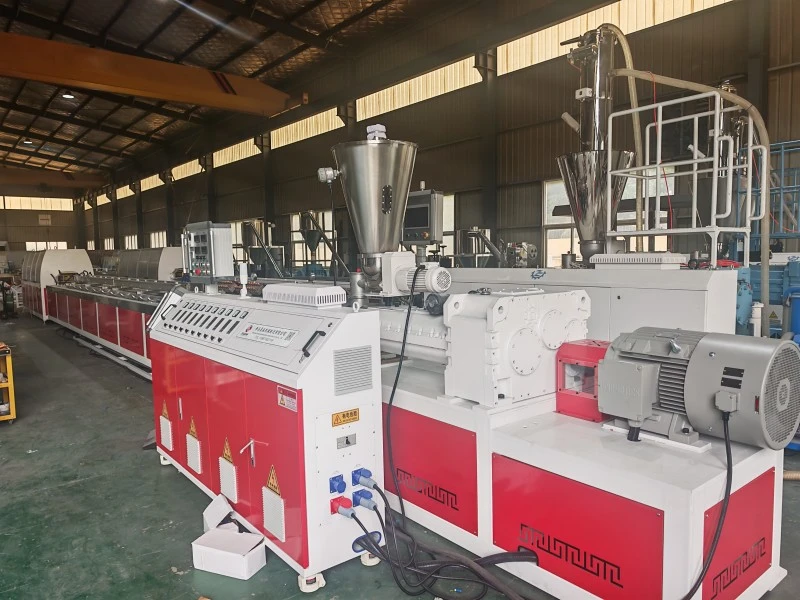
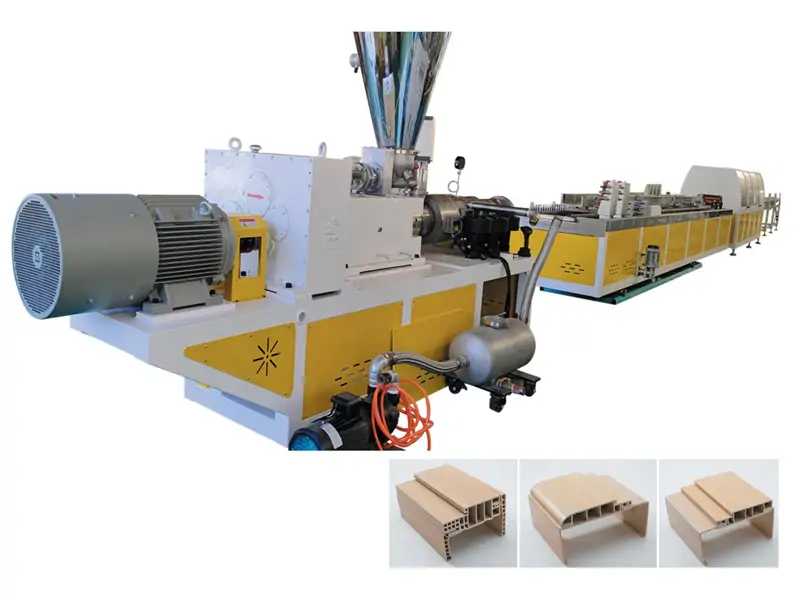
In this trial, we adopted a mature composite production process: crushed and dried coconut shell powder is thoroughly mixed with waste plastic materials, and the mixture is processed into uniform WPC composite pellets using professional granulation equipment. The qualified WPC pellets are then extruded and molded to produce standard WPC decking products with a smooth surface, stable structure, and compliant quality. This successful trial not only demonstrates the excellent adaptability of our self-developed wood powder milling machine for special biomass raw materials but also opens up a new environmentally friendly recycling pathway for waste coconut shell resources.
Company Outlook on Diversified Biomass Utilization
“The successful R&D trial of coconut shell-based WPC products is a key breakthrough in our company’s exploration of diversified biomass raw material utilization. Coconut shell is a common agricultural waste with rich reserves and environmental-friendly characteristics. By solving the technical pain points of its high fiber toughness and high moisture processing, we have realized the efficient recycling of waste coconut shells, while providing overseas clients with more low-carbon, eco-friendly and cost-effective WPC product solutions. In the future, we will continue to optimize processing technologies for special raw materials, enrich product categories, and meet the personalized and diversified customization needs of global customers.” — Spokesperson of the Company
Industry and Market Significance of the Trial
This technical achievement further solidifies our company’s competitive edge in the fields of biomass pulverization equipment and WPC new material manufacturing. It also supports the green and low-carbon transformation of the WPC industry, generating greater market value for both resource recycling and environmentally friendly manufacturing.
We use cookies to offer you a better browsing experience, analyze site traffic and personalize content. By using this site, you agree to our use of cookies.Privacy Policy