How does the quality of WPC doors compare to solid wood doors?
WPC Doors vs Solid Wood Doors: A Comprehensive Quality & Performance Analysis
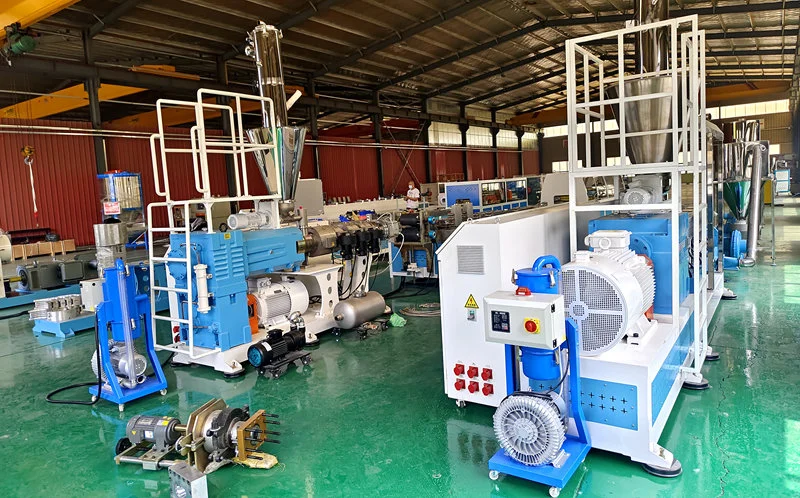
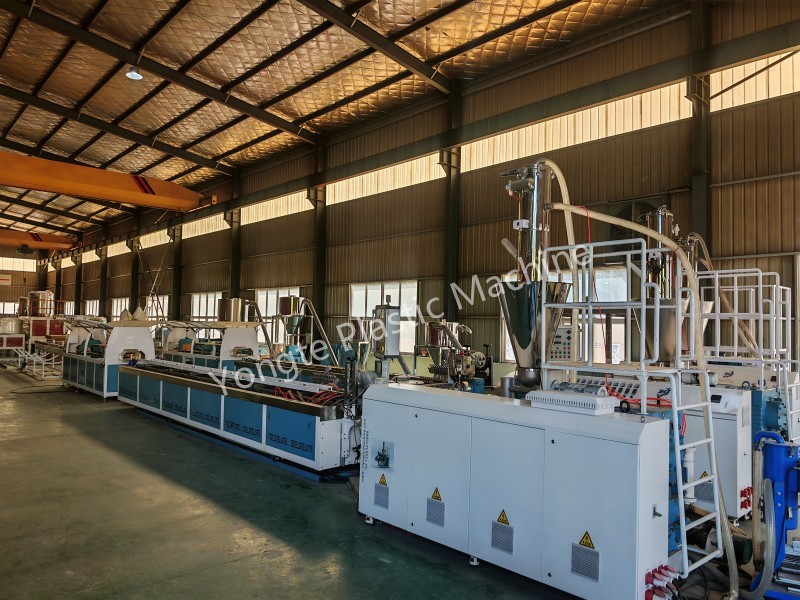
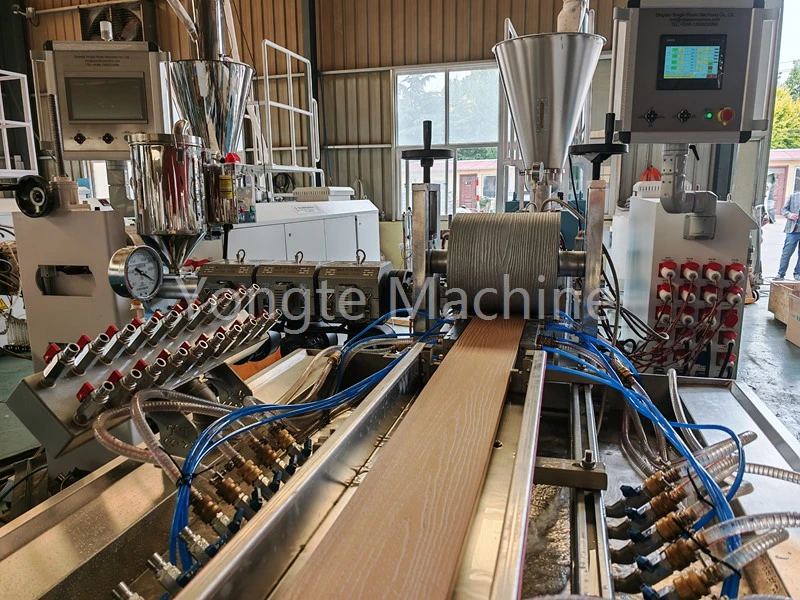
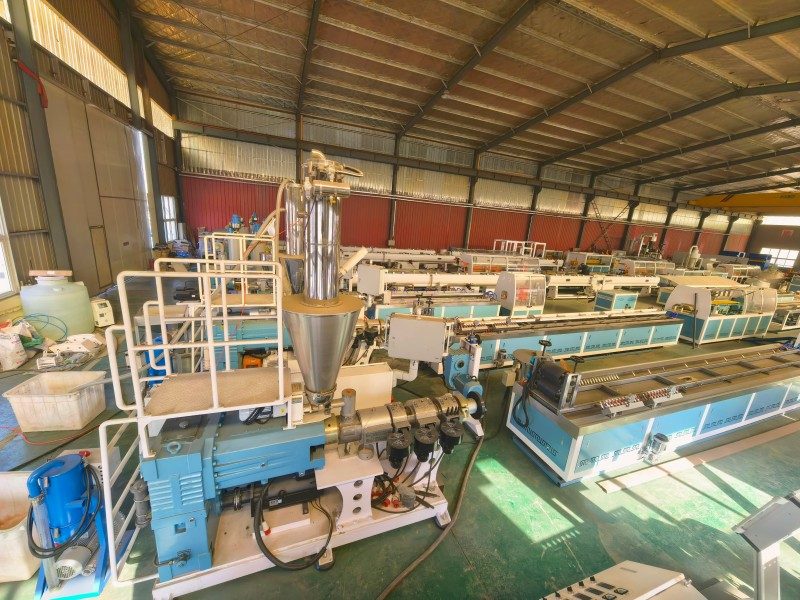
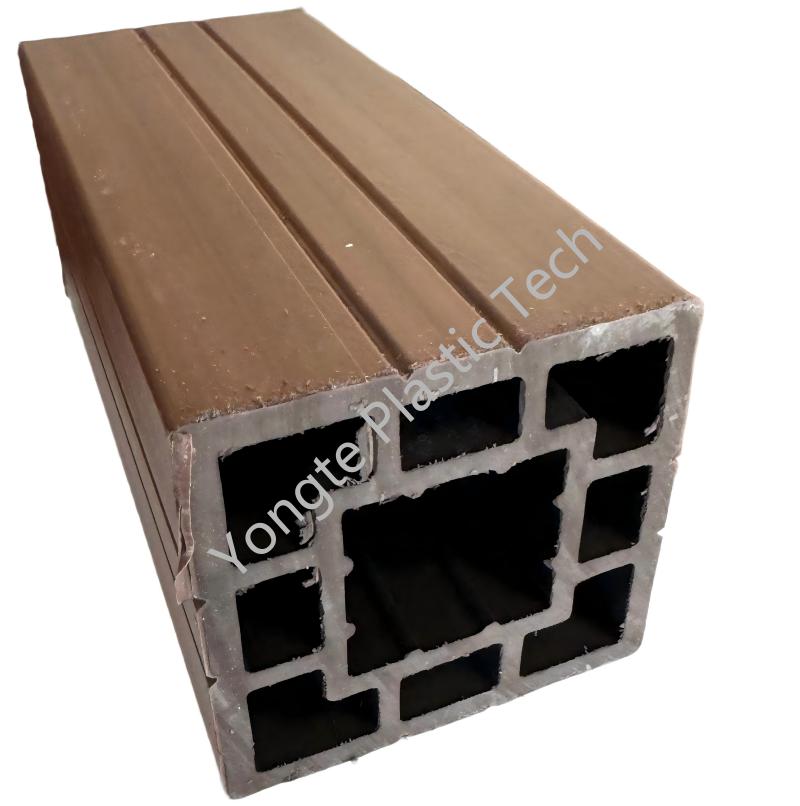
Yongte WPC door making machine is used for making WPC doors and frames from PVC plastic and wood sawdust. WPC (Wood-Plastic Composite) doors and solid wood doors exhibit fundamental differences across critical quality dimensions including durability, maintenance requirements, environmental impact, cost efficiency, and aesthetic/structural characteristics—key performance indicators for door selection. This analysis presents a systematic, side-by-side evaluation their core quality attributes, complemented by a synthesis of essential takeoffs to inform practical decision-making.


Core Quality & Performance Comparison
|
Quality Criterion |
WPC Doors |
Solid Wood Doors |
|
Moisture/Water Resistance |
Excellent The thermoplastic base repels water, preventing warping, swelling, or rotting in bathrooms, kitchens, or humid climates, (even under direct moisture contact. |
Poor Natural wood absorbs water and is prone to warping, cracking, swelling, and mold in high humidity. It requires frequent sealing to mitigate damage. |
|
Durability & Longevity |
High Exceptional resistance to termites, wood-boring insects, and corrosion; eliminates issues of splintering and fading (when integrated with UV stabilizers); offers an extended lifespan of 15–25 years under low-maintenance conditions.
|
Variable Durable when made of hardwood (such as oak or teak) and properly maintained, softwood (like pine), however, is prone to dents and scratches. It is also susceptible to insect damage, with a lifespan of 10–20 years, requiring heavy maintenance. |
|
Maintenance Requirement |
Virtually zero Eliminates the need for sanding, painting, staining, or resealing; requires only regular cleaning with water and mild detergent to maintain optimal condition.
|
Extensive Requires annual sanding, repainting/staining, and resealing to prevent water damage, fading, and cracking; scratches and dents necessitate professional repair to maintain structural integrity and aesthetic appeal.
|
|
Structural Stability |
Outstanding WPC door is made from uniform composite material composition eliminates natural defects such as knots and grain inconsistencies; demonstrates exceptional dimensional stability across temperature and humidity fluctuations, preventing warping or cracking over time. |
Poor stability Natural grain and moisture content cause expansion/contraction with temperature/humidity; prone to warping, twisting, and cracking over time (even with premium wood). |
|
Aesthetics & Texture |
Good (simulated) WPC door and frame can be extruded/laminated to mimic wood grain (oak, walnut, teak) and texture; consistent finish across all units; limited natural "character". |
Superior (authentic) Unique natural wood grain, knots, and texture; high tactile and visual appeal; customizable with stains/paints for a premium, bespoke look (a key luxury selling point). |
|
Strength & Impact Resistance |
Moderate to high Hollow/solid core options; solid core WPC door has high impact resistance (no splintering); hollow core WPC door is lighter but less rigid for heavy use. |
High (hardwood) / Low (softwood) Hardwood solid wood doors have excellent impact/dent resistance; softwood is easily dented/scratched; solid wood core is inherently rigid and sturdy. |
|
Eco-Friendliness |
Very high WPC doors can be made from recycled PVC and wood waste/powder; reduces deforestation and plastic pollution; 100% recyclable at end-of-life. |
Variable Sustainable only if FSC-certified (responsibly harvested) hardwood/softwood; non-recyclable (biodegradable but contributes to deforestation if uncertified); requires more natural resources to produce. |
|
Weight & Installation |
Light to medium Hollow core WPC door is lightweight (easy to install, no heavy hardware needed); solid core WPC door is slightly heavier but still lighter than solid wood. |
Heavy Dense natural wood makes solid wood doors heavy; requires heavy-duty hinges, frames, and installation labor; risk of frame sagging over time if hardware is inadequate. |
|
Cost (Total Cost of Ownership) |
Low Cost Marginally higher upfront investment compared to low-grade solid wood, yet eliminates ongoing maintenance expenses; results in a significantly lower total lifetime cost.
|
High Cost Premium upfront cost (particularly for hardwood varieties); sustained high maintenance expenses (including sealants, paints, and professional repairs); results in a substantially higher total lifetime cost.
|
|
Fire Resistance |
Better WPC doors can be formulated with fire retardants; they are slow to ignite and have low smoke emissions (customizable for fire-rated applications). |
Poor Natural wood is flammable and ignites quickly, emitting high levels of smoke; therefore, it requires fire-retardant treatment for fire-rated applications, which adds to the cost. |

Summary of comparision of WPC doors vs Solid wood doors
As a result of these comprehensive advantages, WPC doors have successfully achieved widespread market adoption across various regions and industries. Their growing acceptance is driven by a combination of durability, sustainability, and cost-effectiveness, which appeal to both consumers and manufacturers. Given these favorable attributes, WPC doors are well-positioned to gain increasing popularity and are expected to see sustained demand for long-term applications worldwide. This trend is further supported by ongoing innovations in material technology and a rising global emphasis on environmentally friendly building solutions.

if you are considering to set up a WPC door manufacturing factory, Yongte will be your good manufacturer for turnkey WPC door production plant with high quality and service.
Contact Yongte now to get your customized WPC door production solution!
Related News
- How to solve the problems of abnormal noise and excessive vibration in WPC extruders
- Is a WPC Machine the Key to Sustainable Wood-Plastic Composite Manufacturing and Higher Production Efficiency
- How Can an HDPE Board Extrusion Machine Revolutionize Your Plastic Manufacturing Process
- How Can the ABS Profile Extrusion Line Revolutionize Plastic Profile Manufacturing
- How Does a WPC Machine Turn Mixed Waste Into High-Value Profiles?
- What Surface Treatment Can Be Applied for WPC Door?
Leave me a message