High-efficiency Parallel Twin-screw Extruder for Recycling Plastic Film Wastage in Production
Yongte's Production of High-Efficiency Parallel Twin-Screw Extruder for Plastic Film Recycling
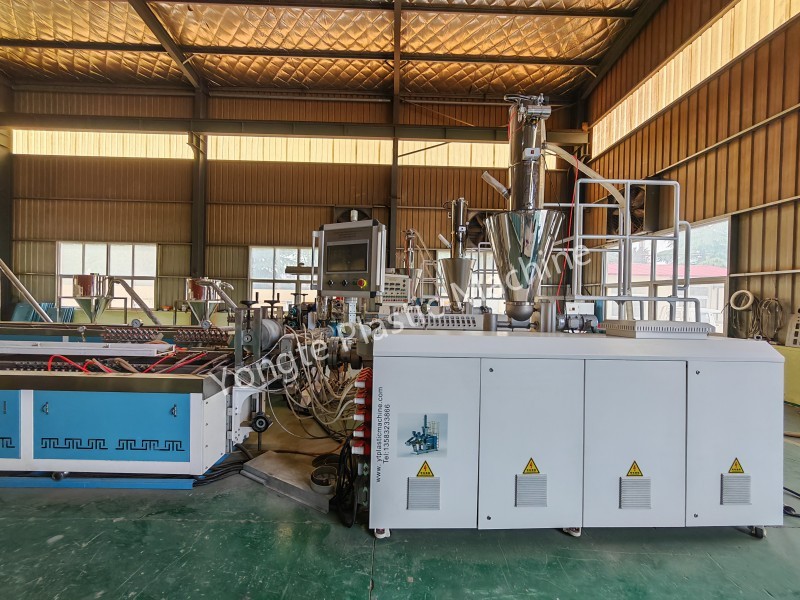
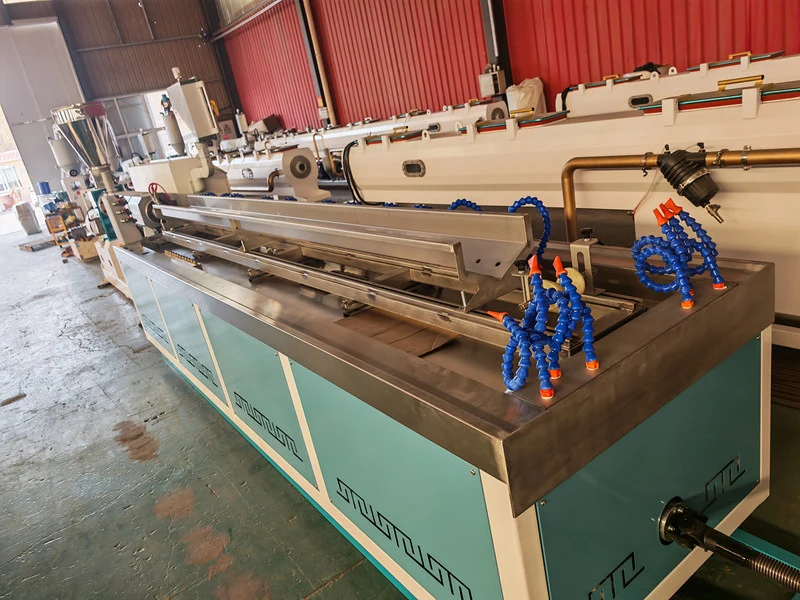
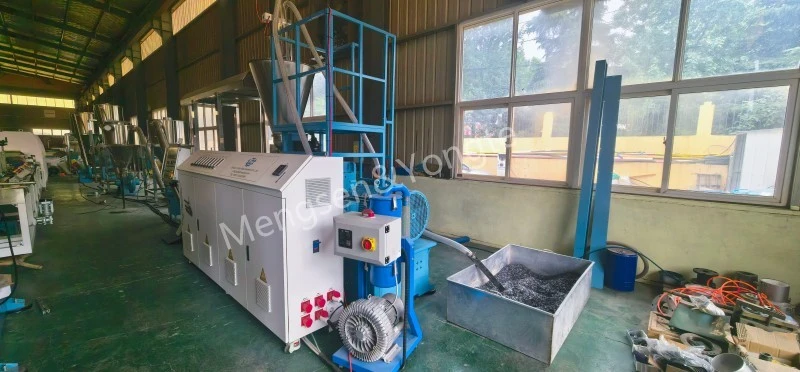
Recently, Yongte Machinery's production workshop was abuzz with activity. The assembly of core components, electric connections, and precision calibrations for the specialized extruders were proceeding in orderly fashion. Skilled technicians, guided by rigorous standards and their exceptional craftsmanship, meticulously assembled and calibrated each part, gradually shaping the complete profile of this eco-friendly equipment. The successful assembly not only showcases Yongte's cutting-edge technical prowess in plastic recycling equipment but also injects new momentum into the film recycling and reuse industry through efficient smart manufacturing.

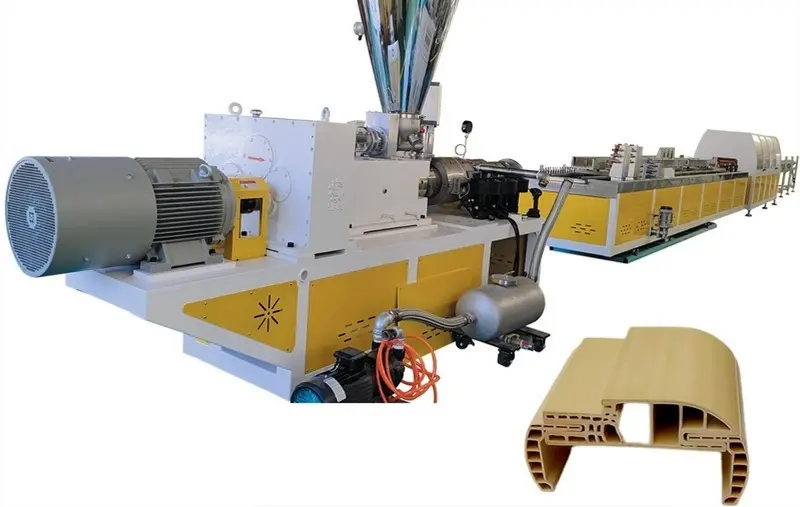
As the core equipment for plastic film recycling, Yongte's parallel twin-screw extruder is positioned as' high-efficiency, energy-saving, and precision. 'Every step—from component manufacturing to final assembly—embodies the philosophy of' pursuing excellence.'
Production and Assembly process
The core component assembly phase constitutes the most critical stage in the production process. Under technical personnel's guidance, cranes precisely hoist the gearbox and frame, securing them through dedicated lifting holes to prevent damage during handling. Workers then perform bidirectional leveling calibration using a level, conducting repeated adjustments along and perpendicular to the extrusion direction. By adjusting base pads to ensure flatness, they maintain the frame's levelness within allowable tolerances, effectively preventing damage to the gearbox and material processing components caused by installation deviations. Upon completing the gearbox assembly, technicians strictly inject the specified amount of specialized lubricating oil according to the equipment model to ensure smooth operation of the transmission system.


Screw assembly, as a critical process, tests the technical team's expertise and patience. Yongte's equipment features a single-head, variable-stroke, and variable-depth converging screw structure. Both the screw surface and the barrel's inner surface are coated with wear-resistant hard chrome. Before assembly, the threaded components must be meticulously polished with fine sandpaper to remove impurities and burrs. Technicians precisely position the dual-screw core along the axial alignment points based on the assembly diagram, ensuring accurate alignment of the initial component positions. Following the principle of "assembly piece by piece, verification section by section," each assembly is inspected for thread alignment to prevent potential jamming. After completion, high-temperature grease is applied, and end screws are tightened. The spline sleeve is used to fine-tune the clearance, ensuring precise meshing and smooth operation of the dual screws.


The electrical commissioning phase is executed with meticulous precision. Professional electricians connect electrical circuits according to the equipment wiring diagram, ensuring proper alignment of power cables and grounding lines. They clearly distinguish between live wires, neutral wires, and grounding wires to guarantee standardized connections and clear labeling, thereby preventing equipment damage caused by overvoltage or wiring errors. Additionally, the portable main electrical control cabinet is strategically positioned adjacent to the main unit for easy operation and subsequent maintenance.


After completing equipment assembly, comprehensive inspection and debugging commenced. Technicians activated the temperature control system, injecting thermal oil into the barrel and screw temperature control devices to reach the preset temperature, then maintained it for stabilization. The twin-screw main unit was subsequently started at low speed to verify proper rotation direction and absence of interference noises. High-precision measuring tools were employed to inspect screw clearance and thread accuracy, while the main-screw ratio was calibrated to ensure optimal material mixing and conveying performance. Concurrently, hydraulic mesh-changing devices underwent pressure testing to validate sealing integrity and identify potential hazards. Final acceptance could only be granted upon all parameters meeting specifications.


"The assembly of this specialized extruder for recycled films strictly follows a modular design principle, allowing flexible configuration based on material properties and process requirements to achieve integrated high-efficiency recycling and modification processing," explained Yongte's technical director. The equipment's advanced temperature control and vacuum exhaust system effectively enhances the plasticization uniformity of recycled film materials, ensuring product quality while reducing energy consumption. This innovation helps enterprises address industry pain points such as low recycling efficiency and high energy consumption in film processing.

From component processing to final machine assembly, from precision assembly to rigorous calibration, Yongte integrates green manufacturing principles into every production stage through stringent standards and advanced technologies. The successful mass production of this high-efficiency parallel twin-screw extruder for recycled films not only marks a significant achievement in Yongte's environmental protection equipment sector, but also provides robust equipment support for the development of a circular plastic economy, driving the film recycling industry toward higher efficiency, sustainability, and eco-friendly practices.
Related News
- Advantages of Rubber Soaker Irrigation Pipes vs Traditional Irrigation Tubes
- Can Yongte Supply Turnkey Project Service for WPC decking plant?
- 200x50mm Recycled Solid Plastic Lumber Machine Tested Successfully
- Yongte WPC Column making machine with co-extrusion is successfully tested
- How can plastic film wastage be used to produce wood-plastic composite (WPC) products?
- WPC Extrusion Machine Temperature Setting
Leave me a message