

Company News
 05 2026-06
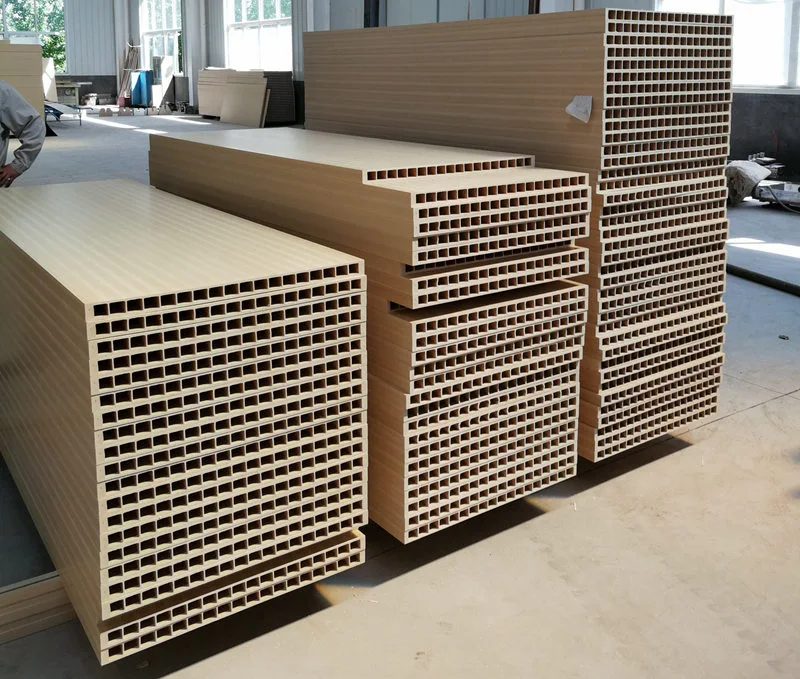
Professional Solutions for Yellowing, Streaks and Brittleness Cracking of Wood-Plastic Composite Door Surfaces
The common surface quality defects of WPC doors are closely related to raw material formula, auxiliary matching and production process parameters. Yellowing is dominated by thermal oxidation and auxiliary mismatch, streaks are caused by uneven mixing and insufficient plasticization, and brittle cracking is mainly attributed to excessive shear, overhigh temperature and unreasonable filler dosage. Through targeted temperature adjustment, formula optimization, process parameter matching and mixing process upgrading, the above defects can be effectively eliminated, so as to significantly improve the surface quality, mechanical performance and market competitiveness of WPC door products.
 01 2026-06
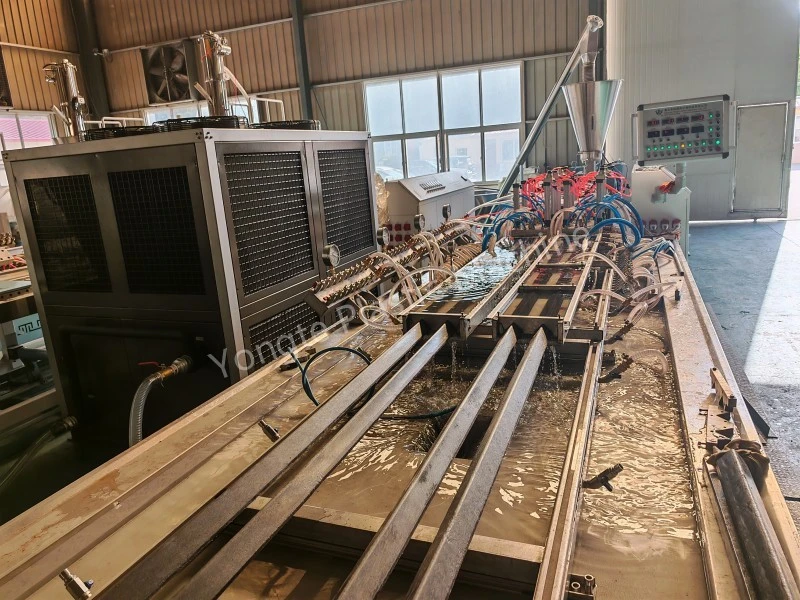
4 Cavity Recycled Plastic Profile Extrusion Machine Reach 8meter/minute high speed
our customized 4-cavity recycled plastic profile extrusion machine is high-efficiency 4-cavity extrusion solution empowers waste plastic & fabric recycling for overseas clients.the inspection testing is successful to get stably production for 4 cavity plastic profile with production speed of 8meter/minute
 31 2026-05
Solution for WPC Extruder Production Problems
The most common faults in WPC extruders stem from the combined effects of three factors: parameter settings, equipment accessories, and raw material formulation.
In daily production, enterprises should implement a regular equipment maintenance program, configure processing parameters according to the specific characteristics of the raw materials, and promptly adjust the operating scheme when faults arise.
If you encounter extruder operation issues that are difficult to resolve, please contact Yongte’s technical team. We offer one-on-one professional technical support to help reduce failure rates and maximize production efficiency.
 28 2026-05
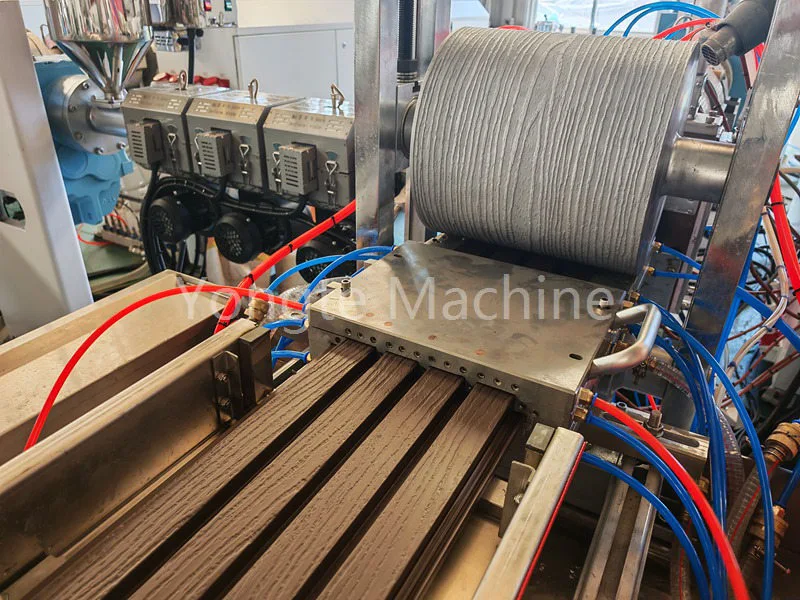
What material can be used in Yongte WPC machine?
Our WPC Machine boasts excellent raw material adaptability, fully compatible with recycled thermoplastics and various natural & functional fillers. It maximizes the utilization of secondary resources to lower production costs while realizing green and low-carbon manufacturing
 26 2026-05
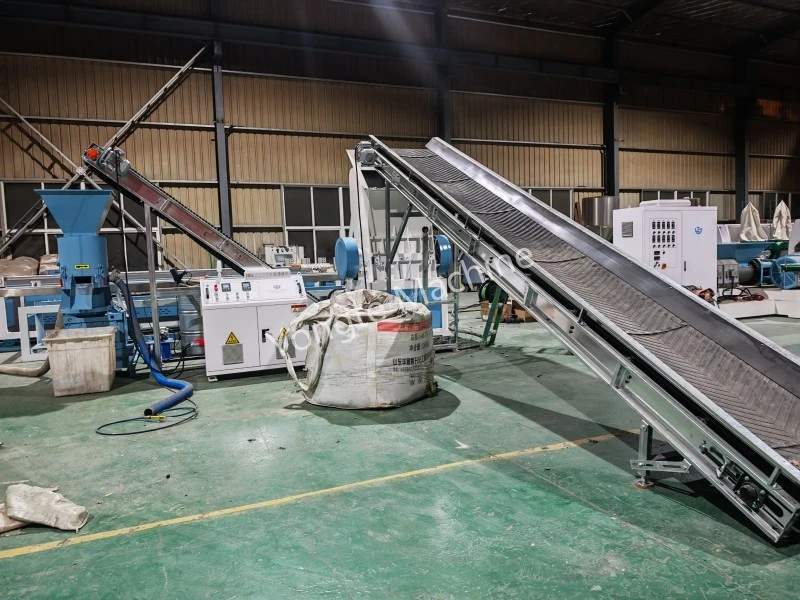
Waste Textile Recycling Production Line Successfully Tested
Yongte waste clothes recycling production line—designed and built specifically for an overseas client—has successfully passed comprehensive on-site acceptance following professional trial operation, earning full recognition and high praise from the client.
 18 2026-05
Indoor WPC vs Outdoor WPC Comparision
These distinctions underscore that differences between outdoor and indoor WPCs—in raw material selection, formulation design, and equipment compatibility—originate fundamentally from divergent performance requirements dictated by their respective application environments. Outdoor applications emphasize long-term durability and environmental adaptability, driving material systems toward enhanced stability; indoor applications prioritize aesthetic appeal and process controllability, fostering more refined and versatile manufacturing techniques. This differentiation is reflected not only in the types and proportions of raw materials but also profoundly shapes the overall logic of production line configuration and the selection of critical components.